
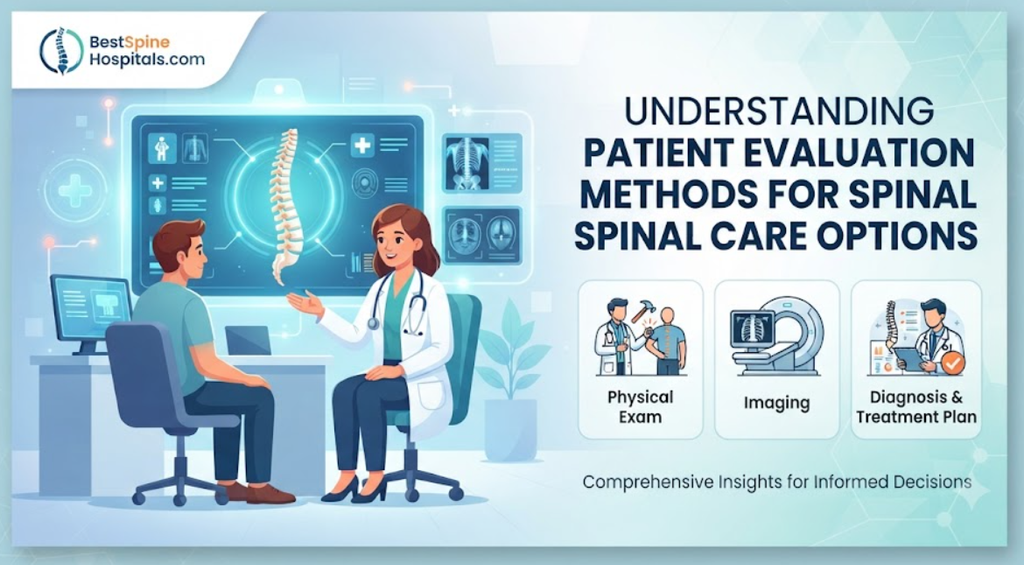
Spine-related discomfort can profoundly impact daily life, altering everything from basic mobility to overall well-being. Because the spine is a complex network of vertebrae, discs, nerves, and supportive muscles, conditions affecting it can vary significantly from one patient to another. Two people experiencing similar back pain may require completely different treatment pathways, ranging from conservative physical therapy to specialized surgical intervention. This variability makes choosing the right hospital and medical specialist a critical decision. Furthermore, many spine conditions can be successfully managed without surgery, meaning that thorough research into all available options is essential before committing to any specific procedure.
What Makes the Best Spine Hospitals Different?
Evaluating healthcare institutions requires looking beyond general reputations to understand what truly constitutes high-level care. Exceptional facilities are distinguished by a comprehensive approach to patient wellness. Qualified spine specialists, including both orthopedic spine surgeons and neurosurgeons, form the core of any reliable institution.
Beyond physician expertise, leading facilities integrate advanced diagnostic imaging, modern surgical infrastructure, and robust non-surgical treatment options. Comprehensive care also relies heavily on rehabilitation services, physiotherapy, dedicated pain management specialists, and skilled anesthesia support. Postoperative care units and multidisciplinary coordination ensure that patients receive seamless attention from diagnosis through recovery, setting the standard for what patients look for when identifying the best spine hospitals.
How to Choose the Best Spine Surgery Hospitals
When conservative measures are no longer sufficient and surgery is recommended, comparing surgical centers requires careful scrutiny of specific institutional capabilities. Patients should examine relevant surgeon expertise, hospital infrastructure, diagnostic capabilities, and specialized operating room technology.
Critical care support, rigorous infection-control practices, and structured rehabilitation services are equally vital components. Transparent treatment planning and open patient communication help ensure that individuals fully understand their care path. Selecting a facility should always be driven by appropriate medical evaluation and institutional competence rather than mere popularity.
Finding the Best Hospital for Spine Surgery
Choosing where to undergo a spine procedure involves weighing several practical and clinical factors. A crucial consideration is the facility’s documented experience with the specific type of spine condition being treated.
Patients should look for appropriate specialist availability, advanced imaging facilities, and precise surgical technology. Equally important are thorough preoperative evaluations, attentive postoperative monitoring, structured rehabilitation plans, and clear follow-up arrangements. Understanding cost transparency and insurance considerations beforehand also helps reduce unnecessary stress during an already challenging time.
Searching for the Best Spine Hospital Near Me
While specialized expertise is paramount, geographical proximity can play a practical role in long-term recovery. Ease of attending initial consultations, frequent follow-up visits, and ongoing physiotherapy sessions can be heavily influenced by travel time.
Having family support nearby and ensuring access to emergency or urgent care when appropriate are additional factors that make finding the best spine hospital near me a practical consideration for many patients and their caregivers.
How to Choose the Best Spine Surgeons
The skill, experience, and communication style of the physician directing treatment are often the most vital elements of successful spine care. Evaluating professionals involves reviewing their medical qualifications, relevant sub-specialization, and track record with similar conditions.
The best spine surgeons are those who prioritize accurate diagnosis, take time to explain treatment options clearly, and genuinely consider conservative, non-surgical alternatives before recommending operations. Their hospital affiliations and commitment to structured follow-up planning further reflect their dedication to patient safety and positive clinical outcomes.
Understanding Spine Surgery Hospitals
Dedicated surgical centers provide specialized environments designed specifically to handle complex spinal procedures. The role of these institutions extends far beyond the operating room.
They provide specialized nursing staff, advanced neuromonitoring during procedures, strict infection prevention protocols, and immediate access to emergency support. This collaborative, multidisciplinary ecosystem ensures that every phase of a surgical journey is closely monitored by trained professionals.
What Is Minimally Invasive Spine Surgery?
Minimally invasive approaches represent a significant evolution in modern surgical techniques. Rather than traditional open incisions, specialized techniques may utilize smaller access points, high-definition visualization tools, and specialized instruments to reach the affected area of the spine with less disruption to surrounding muscles.
Surgeons may consider such approaches to reduce tissue trauma or support recovery in appropriate cases. However, minimally invasive surgery is not universally suitable for every spinal pathology. Suitability depends entirely on a thorough professional evaluation, individual anatomy, and the specific nature of the condition.
Choosing the Best Hospital for Scoliosis Surgery
Scoliosis involves an abnormal curvature of the spine that can develop during childhood or progress into adulthood. Treatment decisions vary widely depending on the age of the patient, the severity and progression of the curvature, and individual lifestyle factors.
Initial management often focuses on observation, bracing, and specialized physical therapy. When curvature reaches a point where surgical correction is warranted, choosing a specialized center with extensive experience in pediatric or adult spinal deformity management becomes essential for long-term spinal stability and alignment.
Choosing the Best Hospital for Slipped Disc Treatment
A slipped or herniated disc occurs when the soft cushion between spinal vertebrae pushes outward, sometimes pressing on nearby nerves and causing localized back or radiating leg and arm pain.
Most cases respond favorably to conservative care, including targeted physiotherapy, activity modification, and anti-inflammatory medications prescribed under professional guidance. When symptoms persist or indicate nerve compression, further diagnostic evaluation helps determine whether targeted interventions or selected surgical options are appropriate.
Understanding Spine Treatment Beyond Surgery
Surgical intervention represents only one facet of comprehensive spinal healthcare. A vast majority of spinal conditions improve significantly through non-surgical management strategies.
These approaches include physical therapy, core-strengthening exercises, lifestyle adjustments, professional pain management, and activity modification. Specialist monitoring ensures that treatment remains dynamic, adapting to the patient’s changing needs while keeping surgical evaluation as an option only when medically justified.
Questions to Ask Before Choosing a Spine Hospital
Entering a medical consultation prepared with targeted questions helps patients take an active role in their healthcare journey. Consider exploring the following inquiries with your care team:
- Does the hospital have dedicated experience treating my specific spine condition?
- Which medical specialists will be involved in my ongoing care plan?
- What diagnostic tests or imaging studies are necessary to confirm my diagnosis?
- What non-surgical treatment options are available before considering an operation?
- What specific type of surgical procedure is being proposed, and why is it recommended?
- What kind of rehabilitation and physical therapy support is provided after treatment?
- What follow-up care schedule should I expect during recovery?
- What cost and insurance factors do I need to understand before proceeding?
How to Prepare for a Spine Consultation
Gather Previous Medical Records
Bringing organized medical files, including recent MRI or CT scans, radiology reports, previous prescriptions, and notes from prior treatments, allows the specialist to review your case comprehensively without unnecessary repetition.
Describe Your Symptoms Clearly
Be ready to explain precisely where your pain originates, how long it has lasted, what movements worsen or relieve it, and whether you experience any numbness, tingling, or muscle weakness.
Prepare Important Questions
Writing down your concerns in advance ensures you do not forget crucial details about potential diagnoses, treatment timelines, and recovery expectations during your appointment.
Share Relevant Medical History
Provide a complete overview of your existing health conditions, previous surgeries, current medications, and known allergies to help your doctor design a safe and effective care plan.
Understand the Proposed Treatment
Ask your physician to walk you through the expected recovery timeline, rehabilitation requirements, potential risks, and alternative options so you can make an informed decision.
When Should Back or Neck Problems Receive Urgent Medical Attention?
While most back and neck discomfort develops gradually and does not constitute an emergency, certain warning signs require immediate medical evaluation.
Patients should seek prompt medical attention if they experience sudden or severe neurological changes, progressive muscle weakness, a sudden loss of bladder or bowel control, or severe pain following major physical trauma. Recognizing these red flags ensures timely intervention when serious spinal issues arise.
How BestSpineHospitals.com Can Help
Navigating the vast landscape of spine care can feel overwhelming for patients and families alike. BestSpineHospitals.com serves as a helpful informational resource designed to assist individuals researching spine hospitals, qualified spine surgeons, and various treatment modalities.
Whether you are exploring options for general spine care, minimally invasive spine procedures, scoliosis management, or slipped disc treatment, the platform provides structured educational insights to support informed decision-making. By offering a centralized overview of care standards and institutional factors, the resource helps patients approach their health journey with greater confidence and clarity.
Common Mistakes to Avoid When Choosing a Spine Hospital
Making rushed decisions regarding spinal care can lead to avoidable complications. Patients should avoid selecting a facility based solely on advertising claims or choosing a surgeon purely on general popularity.
It is equally important not to ignore relevant specialist experience, assume that surgery is always the mandatory solution, or overlook the critical role of postoperative rehabilitation. Failing to ask about alternative treatments, neglecting to understand potential risks, or expecting guaranteed recovery outcomes can also hinder long-term recovery success.
The Role of Technology in Modern Spine Care
Advanced technology enhances the precision and safety of modern spinal healthcare when utilized by experienced professionals. High-resolution diagnostic imaging, computer-assisted surgical planning, and surgical navigation systems allow specialists to visualize complex anatomy with remarkable accuracy.
Minimally invasive tools, digital medical records, and teleconsultation options for suitable follow-up visits further streamline the patient experience. While these innovations support better clinical workflows, advanced technology always requires expert human oversight to deliver meaningful results.
Importance of Rehabilitation After Spine Treatment
Recovery from spine conditions or procedures rarely ends the moment a patient leaves the hospital. Comprehensive rehabilitation is often the key to restoring long-term function and mobility.
Customized physiotherapy programs, targeted strengthening exercises, posture education, and gradual activity resumption help patients regain stability and protect their spine moving forward. Because every individual heals differently, rehabilitation plans must always be tailored to the specific diagnosis and surgical procedure performed.
Future of Spine Treatment
Ongoing advancements in medical research continue to refine how spinal conditions are understood and managed. Future developments point toward even more refined diagnostic imaging, highly personalized treatment planning, and less invasive surgical techniques.
Expanded use of digital rehabilitation platforms and improved multidisciplinary care models promise to make recovery pathways more accessible and effective for patients worldwide.
Conclusion
Selecting an appropriate spine hospital and care team requires thoughtful research, careful comparison of institutional capabilities, and a clear understanding of personal health needs. Because spine conditions vary greatly and surgery is never a universal fix, consulting qualified medical professionals for accurate diagnosis and tailored guidance remains essential.
Utilizing educational platforms like BestSpineHospitals.com can help patients and families navigate their options, compare specialist expertise, and take informed steps toward better spinal health and long-term well-being.

Find Trusted Cardiac Hospitals
Compare heart hospitals by city and services — all in one place.
Explore Hospitals