
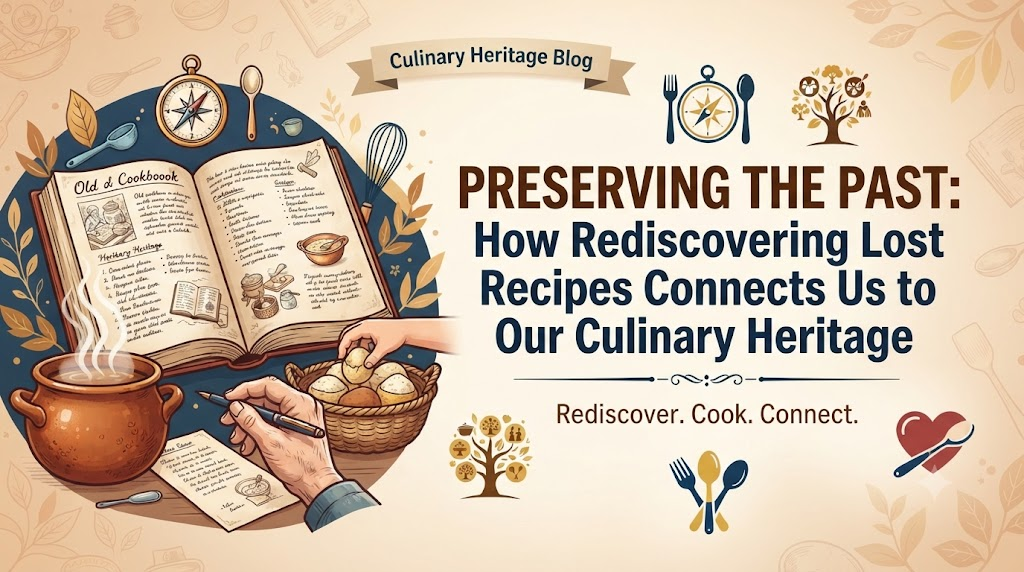
Food has always been more than mere sustenance. Every meal carries a story, bridging the gap between past and present through familiar aromas and comforting flavors. When we sit down at the dinner table, we partake in a living history shaped by migration, agriculture, family traditions, and local history. Recipes are passed from one generation to another through shared kitchens and whispered advice, evolving subtly with each retelling.
Over time, however, some dishes disappear from daily life. Modernization changes cooking habits, quick-paced lifestyles replace slow-simmering pots, and many home cooks lose touch with the culinary practices of their forebears. Documenting and exploring these traditions matters because traditional food is more than just a meal; it is an anchor for cultural identity and personal memory.
What Are Lost Recipes?
Lost recipes refer to dishes that are no longer commonly prepared in contemporary kitchens. These might be family recipes that were never written down, regional specialties that faded as populations shifted, or preparations affected by changing lifestyles and commercial convenience.
A recipe can be considered lost in different ways. Some vanish entirely from public memory, while others still exist quietly within specific families, isolated communities, or aging notebooks. Often, these culinary preparations survived for centuries solely through oral knowledge, making them vulnerable when communication gaps occur between generations.
Why Traditional Recipes Matter
The cultural and personal importance of traditional recipes extends far beyond the kitchen. They serve as tangible links to family history, regional identity, and community memories. Each dish reflects local ingredients, time-tested cooking techniques, and generational knowledge handed down through decades.
Preserving traditional recipes allows us to honor the wisdom of those who came before us. By understanding how earlier generations fed their communities using what was available locally, we gain a deeper appreciation for our shared human heritage and the diverse ways cultures express care, celebration, and resilience.
Rediscovering Forgotten Recipes
When recipes become forgotten, reviving them often requires a bit of detective work. People can rediscover these culinary treasures by searching through old family notebooks, handwritten recipe cards tucked into kitchen drawers, and listening to stories shared by older family members.
Beyond the home, community food traditions, regional cookbooks, local culinary stories, food festivals, and historical food records offer rich veins of discovery. When exploring these sources, recording recipes accurately while respecting their cultural context ensures that the core of the tradition remains intact for future generations.
The Stories Behind Grandmother Recipes
Dishes associated with grandmothers and older generations hold immense emotional and cultural value. These recipes often center on family memories, distinct cooking techniques learned through observation rather than measurement, and seasonal cooking meant for family gatherings and special occasions.
Passing knowledge to younger generations happens naturally around a crowded kitchen counter, where ingredients are measured by handfuls and pinches. While traditional family knowledge frequently comes from grandmothers, grandfathers, aunts, uncles, and community elders also play vital roles in preserving and transmitting these cherished culinary customs.
Understanding Traditional Food Recipes
A food recipe becomes traditional through its deep roots in local ingredients, regional cooking methods, cultural practices, historical influences, and seasonal availability. These dishes often feature family variations and community traditions that have stood the test of time.
Traditional recipes rarely remain static. They naturally change over generations as cooks adapt to new surroundings and ingredients while still retaining their cultural identity and distinctive flavor profiles.
Ancient Recipes and What They Tell Us About History
Studying old and ancient recipes opens a fascinating window into historical food habits, preservation techniques, local agriculture, and ancient spices. These dishes reveal how ancestors utilized trade and cultural exchange to enhance their daily meals long before modern global supply chains existed.
When discussing ancient recipes, it is important to view them within their proper historical and cultural context, avoiding unverified historical claims. They provide valuable clues about how societies adapted to changing food availability and environmental shifts.
Food Heritage: More Than Just Recipes
Food heritage encompasses a much broader concept than a simple list of ingredients. It includes traditional cooking techniques, food preparation rituals, community celebrations, seasonal eating patterns, and the personal stories associated with specific dishes.
Preserving food heritage helps future generations understand cultural history through sensory experiences. It reminds us that every culture has developed unique ways of transforming raw ingredients into expressions of art, community, and survival.
The Role of Rare Ingredients in Traditional Cooking
Many traditional dishes rely on ingredients that may be difficult to find today due to changes in agriculture, urbanization, changing consumer preferences, and the loss of traditional crops. When regional sourcing becomes challenging, modern cooks often rely on ingredient substitutions or seasonal availability to keep a dish alive.
Responsible sourcing and proper identification are essential, especially when dealing with unfamiliar food products. Exploring rare ingredients should always be approached with care, prioritizing safety and sustainability over strict historical replication.
Festival Food Recipes and Cultural Celebrations
Food and celebrations are deeply intertwined across human societies. Religious and cultural observances, seasonal festivals, community gatherings, and family milestones often call for special preparation methods and unique dishes prepared only during specific times of the year.
Passing these festival food recipes between generations reinforces social bonds and shared identity. Representing these traditions accurately requires honoring their cultural significance without relying on broad generalizations.
Traditional Recipes From Around the World
Exploring the diversity of traditional food across different regions highlights the incredible adaptability of human creativity. Broad culinary traditions—including South Asian cuisines, Middle Eastern cuisines, Mediterranean cuisines, East Asian cuisines, African cuisines, European regional cuisines, Latin American cuisines, and indigenous local food traditions—offer endless variety.
Focusing on cultural respect and culinary diversity rather than ranking cuisines allows us to appreciate the richness of global food heritage without reducing complex cultures to a few familiar stereotypes.
How Traditional Recipes Change Over Generations
Recipes naturally evolve in response to ingredient availability, migration, climate shifts, new technology, family preferences, and dietary changes. When families move or adapt to new environments, they often substitute local ingredients while keeping the soul of the dish alive.
These organic changes do not mean the original tradition has been lost. Instead, they demonstrate the resilience and flexibility of culinary heritage as it travels through time and space.
How to Preserve a Family Recipe
Write Down the Ingredients
Recording ingredients and approximate quantities provides a reliable starting point that helps keep a recipe accessible for future cooks.
Record the Cooking Method
Documenting techniques, cooking times, heat levels, and preparation methods ensures that the texture and flavor of the dish remain consistent.
Capture Family Stories
The story behind a recipe provides emotional context, making the dish much more meaningful to those who prepare it years later.
Record Regional Names
Documenting traditional names and local terminology preserves the linguistic and cultural roots connected to the food.
Share the Recipe With the Next Generation
Teaching younger family members hands-on cooking skills helps keep culinary traditions active and vibrant in everyday life.
Why Some Recipes Disappear
Several factors contribute to the fading of culinary traditions, including changing lifestyles, rapid urbanization, migration, the loss of traditional ingredients, and a lack of written documentation. When preparation methods become time-consuming or fewer people learn traditional techniques, recipes can slip away.
Recipe preservation is closely connected with safeguarding the knowledge, stories, and cultural context that surround the food. Without conscious effort, the narratives behind these dishes can fade just as quickly as the flavors.
How Blendz.com Can Help Readers Discover Food Stories
For those interested in exploring food-related content, recipes, culinary traditions, and cultural food experiences, platforms like Blendz.com offer a welcoming space for discovery. By connecting readers with diverse food stories, regional recipes, and heritage-focused content, such resources make it easier to engage with culinary traditions from around the world.
Whether you are looking to learn more about forgotten recipes, cultural food heritage, or the stories behind everyday meals, exploring curated food narratives helps keep our connection to traditional cooking alive and relevant in a fast-paced modern world.
Common Mistakes When Preserving Traditional Recipes
Preserving culinary heritage requires mindfulness to avoid common missteps. Documenting only ingredient names without measurements can leave future cooks guessing. Forgetting preparation techniques, ignoring local ingredient names, or stripping away cultural context diminishes the value of the recipe.
Other pitfalls include changing a recipe without noting the original version, assuming one family variation represents an entire region, using inaccurate historical claims, and failing to respect community traditions or treat cultural food with proper understanding.
Technology and the Preservation of Food Heritage
Modern technology plays a valuable role in safeguarding culinary knowledge. Digital recipe archives, scanned handwritten recipe cards, audio interviews with elders, video demonstrations, and online food communities allow families and researchers to store vast amounts of information securely.
While digital tools make documentation easier and more accessible, personal engagement, community participation, and cultural context remain irreplaceable components of truly living food traditions.
Making Traditional Recipes Relevant Today
Bringing traditional food into contemporary life does not require rigid adherence to complicated historical methods. Home cooks can simplify preparation steps without losing the core identity of the dish, use locally available substitutes responsibly, and teach traditional techniques in casual settings.
Cooking traditional dishes at home, sharing family recipes, and introducing younger generations to regional flavors ensures that these culinary practices remain a vibrant part of daily life rather than museum artifacts.
The Future of Culinary Heritage
The future of culinary heritage looks promising as digital preservation, community archives, and food storytelling continue to grow in popularity. A renewed interest in regional cuisines, the revival of traditional ingredients, and culinary tourism encourage people to dig deeper into their own roots and explore new cultures respectfully.
By documenting family recipes and sharing cross-cultural food discoveries, modern food lovers contribute to an ongoing, global effort to keep ancient and traditional flavors alive for decades to come.
Conclusion
Lost and forgotten recipes hold immense value because they preserve personal memories, family histories, and cultural identity. Food heritage deserves careful documentation, as the techniques and stories behind our meals tell the story of who we are and where we come from.
When younger generations take an interest in keeping these culinary traditions alive, and when we explore food traditions from different cultures with respect and curiosity, our understanding of food deepens significantly. Platforms like Blendz.com serve as wonderful companions for readers interested in exploring food stories, recipes, culinary traditions, and the enduring beauty of our shared food heritage.

Find Trusted Cardiac Hospitals
Compare heart hospitals by city and services — all in one place.
Explore Hospitals