
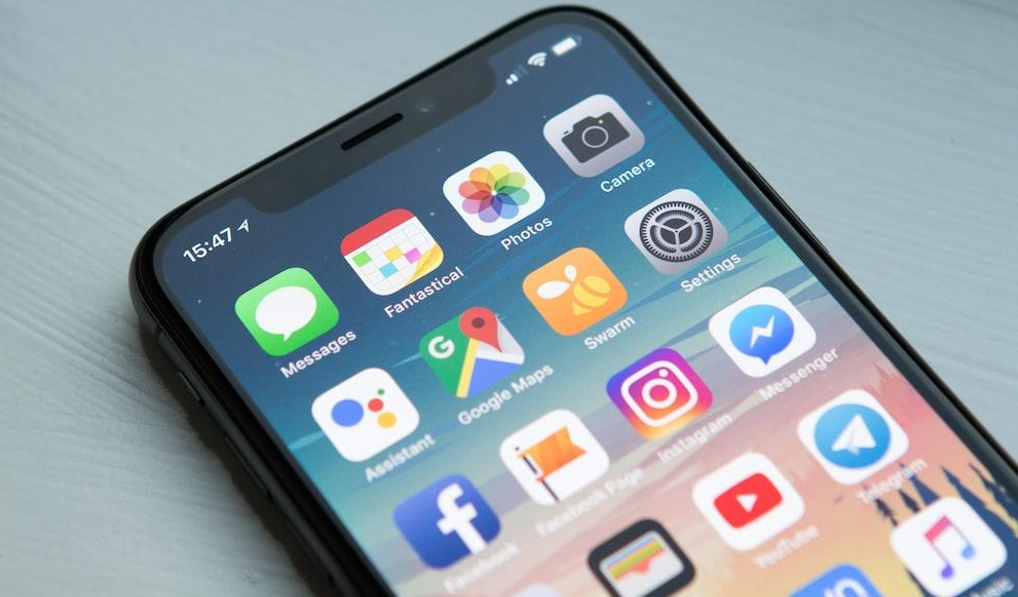
With over 6.9 billion smartphone users worldwide, the mobile app market has become an attractive avenue for entrepreneurs and tech companies. In fact, Statista projects that global mobile app revenue will reach $935 billion in 2023.
However, mobile app development is an investment that requires careful consideration. You must evaluate all the potential risks, costs, and returns on investment before embarking on such a project. Otherwise, you risk serious financial losses due to oversights, budgeting errors, or mismanagement.
To ensure your app development project goes smoothly, consider the following five key factors.
1. Name, Branding, and Trademarks
Choosing the right name for your app is crucial for establishing a solid brand identity. Ideally, your app’s name should be memorable, unique, reflect its purpose, and be easily searchable in app stores.
Moreover, invest time and effort into developing an appealing app logo and branding elements. To build a cohesive and recognizable image for your app, keep your branding consistent across all touchpoints.
Additionally, before deciding on a trademark in Canada, the US, or any other country, perform thorough research to ensure that the chosen brand identifiers are not already used. But if you are unsure how to go about, seek guidance from a legal professional to avoid mistakes while safeguarding your intellectual property rights.
2. Market Research
Before diving into app development, you need to conduct market research. This step allows you to gain valuable insights into the existing landscape, understand your competition, and identify market gaps your app can fill.
When researching, examine the available apps in your niche, including their features, strengths, and weaknesses. You should then identify areas where your app can offer a unique value proposition.
Additionally, read user reviews and feedback on existing apps to grasp their expectations and pain points. This information will help you shape your app’s functionality and design to address user needs effectively.
3. Target Audience
Defining your target audience is crucial for developing a successful app. When you understand who will use your app, you will likely tailor its features, design, and user experience to their preferences.
Consider aspects such as age, gender, location, and interests when defining your target audience. This information will guide decisions about the app’s design elements, content, and functionality.
For instance, incorporating a visually appealing and intuitive interface might be crucial for user engagement if your app caters to a younger demographic.
4. Budgeting
App development projects can vary significantly in terms of complexity and cost. So, before embarking on this journey, establish a realistic budget that aligns with your app’s goals and features.
Your budget should vary depending on app design, development, testing, marketing, and ongoing maintenance expenses. You may want to collaborate with app development professionals to assess your budget’s feasibility and determine your project’s scope.
Moreover, be mindful of potential additional expenses, such as integrating third-party services or implementing security measures. Having a comprehensive budget could save you from unexpected financial setbacks and ensure the smooth progression of your project.
5. User Experience
User experience is the lifeblood of any application. A seamless and intuitive user interface can significantly enhance engagement, retention, and satisfaction.
To create an exceptional UX, focus on simplicity, functionality, and visual appeal. It would also help to implement responsive design principles to ensure a consistent experience across various devices and screen sizes.
Additionally, prioritize user-friendly navigation and minimize the learning curve for your app’s features. Don’t forget to regularly test your app throughout development to identify and address any UX issues before its launch.
Conclusion
App development is an iterative process, and you should be prepared to adapt and make changes along the way. By considering these five key factors, you can lay a strong foundation for your app development project and increase the likelihood of success.

MotoShare.in is your go-to platform for adventure and exploration. Rent premium bikes for epic journeys or simple scooters for your daily errands—all with the MotoShare.in advantage of affordability and ease.
Find Trusted Cardiac Hospitals
Compare heart hospitals by city and services — all in one place.
Explore Hospitals