Kubernetes is a powerful container management tool that automates the deployment and management of containers. Kubernetes is container-runtime agnostic. Kubernetes will keep those containers running and handle deploying changes (such as updating the image or changing environment variables) with a “rollout.” You can pause, resume, and rollback changes as you like. Kubernetes can automatically expose your containers to the internet or other containers in the cluster. It automatically load balances traffic across matching containers. Kubernetes supports service discovery via environment variables and DNS, out of the box. You can also configure CPU-based autoscaling for containers for increased resource utilization.
What can Kubernetes do for you?
Kubernetes can be run on a public cloud service or on-premises, is highly modular, open source, and has a vibrant community. Companies of all sizes are investing into it, and many cloud providers offer Kubernetes as a service. Sumo Logic provides support for all orchestration technologies, including Kubernetes-powered applications.
Containerization causes bundle programming to serve these objectives, empowering applications to be delivered and refreshed in a simple and quick manner without downtime. Kubernetes helps you make sure those containerized applications run where and when you want, and helps them find the resources and tools they need to work. Kubernetes is a production-ready, open source platform designed with Google’s accumulated experience in container orchestration, combined with best-of-breed ideas from the community.
What are the benefits of Kubernetes?
- Kubernetes brings to the table, we’ll explore the main benefits of Docker:
- Reducing resource costs
- Ease-of-use and portability
- Scalability and modularity
- Impressive heritage
- Outstanding community and industry support
- Rich feature set and application support
- Ongoing development
How does Kubernetes work?
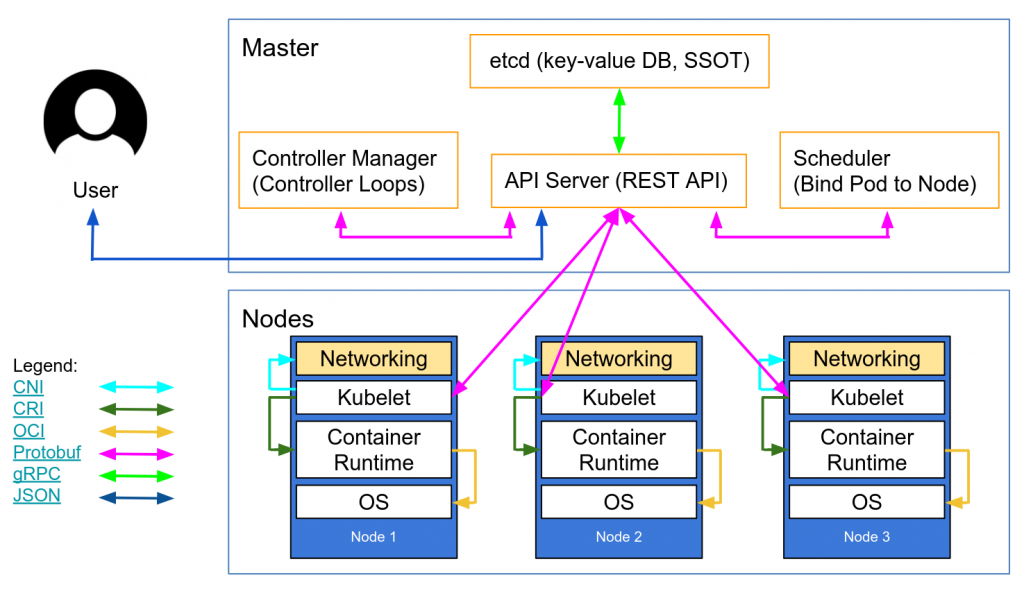
Actually Kubernetes deployments define the scale at which you want to run your application by letting you set the details of how you would like pods replicated on your Kubernetes nodes. Kubernetes node manages and runs pods; it’s the machine (whether virtualized or physical) that performs the given work. Just as pods collect individual containers that operate together, a node collects entire pods that function together.

I’m Rajesh Kumar, a DevOps, SRE, DevSecOps, Cloud, and Platform Engineering expert passionate about sharing practical knowledge, real-world experiences, and industry best practices. I have worked at Cotocus and regularly write about technology, travel, investing, health, product reviews, and digital marketing through my various platforms.
I publish technical articles at DevOps School, travel stories at Holiday Landmark, stock market insights at Stocks Mantra, health and fitness guidance at My Medic Plus, product reviews at TrueReviewNow, and SEO and digital marketing strategies at Wizbrand.
Find Trusted Cardiac Hospitals
Compare heart hospitals by city and services — all in one place.
Explore Hospitals