
Prereq#1- Verify that the security group associated with your EFS file system and worker nodes allows NFS traffic
Your EFS file system’s security group must have an inbound rule that allows NFS traffic from the CIDR for your cluster’s VPC. Allow port 2049 for inbound traffic.
The security group that’s associated with your worker nodes where the pods are failing to mount the EFS volume must have an outbound rule. Specifically, this outbound rule must allow NFS traffic (port 2049) to the EFS file system.
If the security group doesn’t allow NFS traffic, then the pods that are mounting the file system return the following errors:
“mount.nfs: Connection timed out”
“Unable to attach or mount volumes: timed out waiting for the condition”
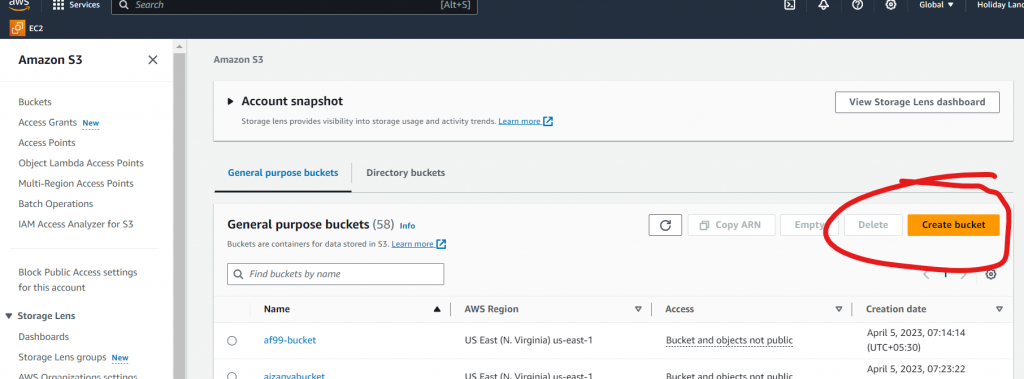
Step 1 – Create a Bucket
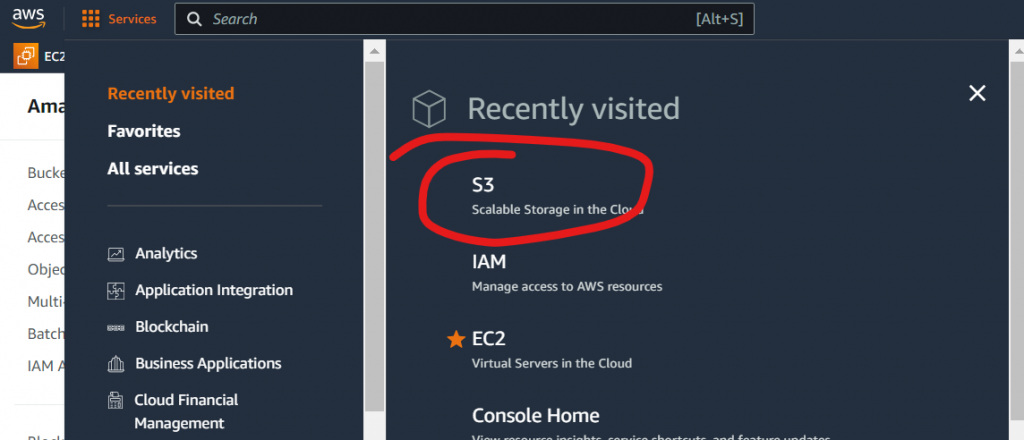
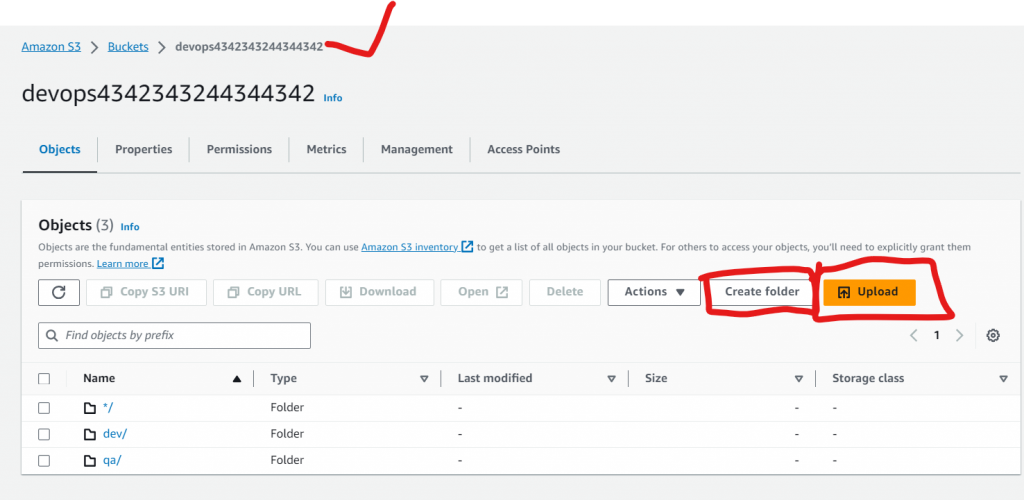
Step 2 – Create a dir and Upload a file
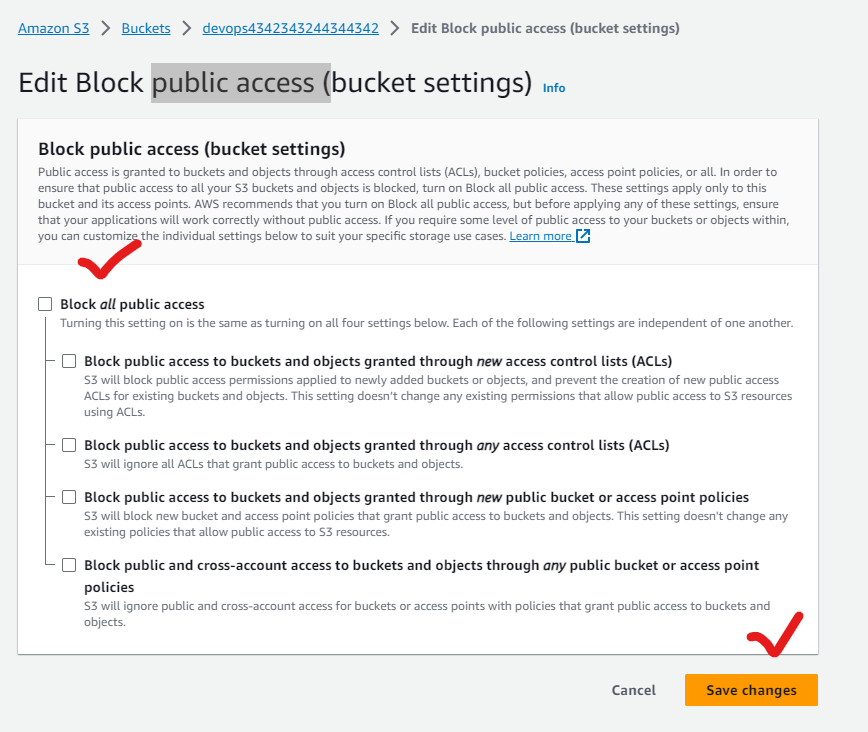
Step 3 – Change Bucket Permission to allow public access
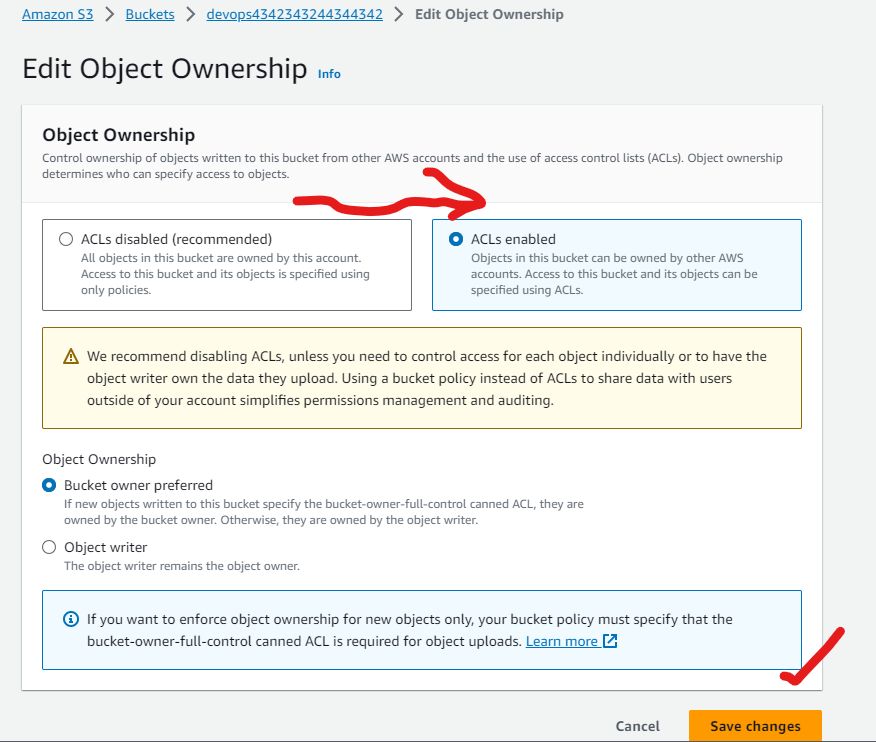
Step 4 – Change Bucket Object Ownership
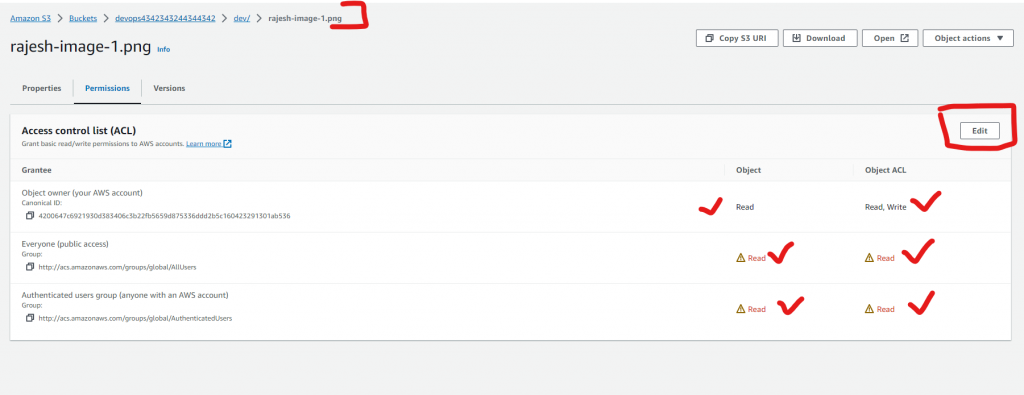
Step 5 – Modify Object Permission
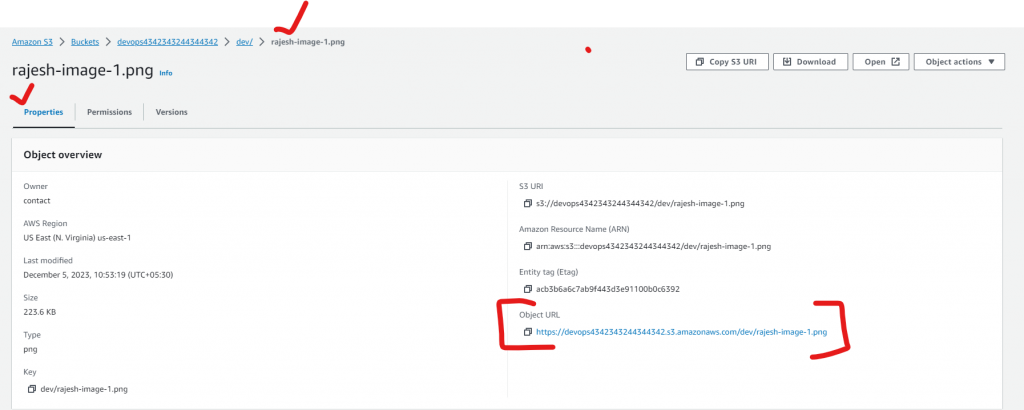
Step 6 – Access the object URL

I’m Rajesh Kumar, a DevOps, SRE, DevSecOps, Cloud, and Platform Engineering expert passionate about sharing practical knowledge, real-world experiences, and industry best practices. I have worked at Cotocus and regularly write about technology, travel, investing, health, product reviews, and digital marketing through my various platforms.
I publish technical articles at DevOps School, travel stories at Holiday Landmark, stock market insights at Stocks Mantra, health and fitness guidance at My Medic Plus, product reviews at TrueReviewNow, and SEO and digital marketing strategies at Wizbrand.
Find Trusted Cardiac Hospitals
Compare heart hospitals by city and services — all in one place.
Explore Hospitals
This blog gives a clear and practical guide on creating an S3 bucket and accessing objects step by step. I like how it explains the process in a simple way, making it easy for beginners to follow. It’s a helpful read for anyone starting with AWS S3 and learning basic storage operations.