
In the early days of mobile technology, there was only the SIM card, which is a piece of plastic that would need to be inserted into your handset in order for it to be able to make phone calls. This SIM card locked your identity into one carrier and one specific device. The loss of the SIM card, changing carriers, and even traveling overseas all required a physical process. That whole idea is changing, however, and rapidly at that.
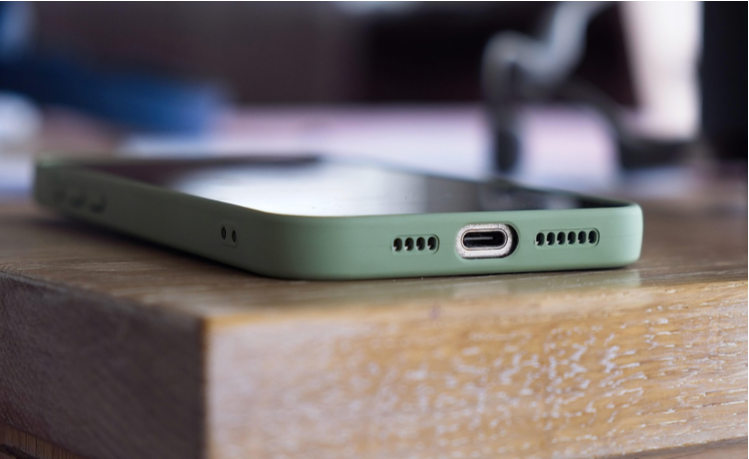
The Shift Away From Physical Hardware
According to the GSMA eSIM deployment tracker, 2026 marks the shift from adopting eSIM technology to full-scale operations. This means devices will have SIM profiles embedded in their hardware instead of removable ones. Juniper Research predicts 1.4 billion eSIM connections by 2026. This is a 30% rise from 2025. Statista also notes that eSIM-enabled devices could make up 98% of the market share by 2029. This is the infrastructure on which services such as GetTempNumber are based.
The reality is that the implications of this technological transition go far beyond the SIM card. Cloud-based mobile phones have allowed the existence of a phone number independent of any device and even independent of physical location at all. A phone number can be activated within minutes, routed through software rather than a physical connection, and can be controlled remotely without requiring any technician or even a visit to a physical store.
What’s Actually Driving the Numbers
The data shows this isn’t uniform migration; it’s concentrated around specific use cases pulling the rest of the market forward. A few patterns stand out:
- Traveling remains the top adoption catalyst: 51% of users said their first-time eSIM use was triggered by travel, and landing in a new place with instant data access sways even the most reluctant users.
- Network generation directly affects this: eSIM adoption is reported at just 17% among those who have not migrated from 3G networks, rising to 21% for 4G and 29% for 5 G.
- Awareness significantly trails capability, as while there is approximately 30% consumer penetration in the USA, there are just around 35% who are aware of the existence of eSIM technology, making many users unaware adopters of eSIMs.
- IoT and automotive segments are quietly taking up a significant proportion of this shift as well, as connected devices now constitute around 29% of the overall eSIM market while vehicles alone take 42% of the IoT eSIM shipments.
This same breakdown appears consistently across independent market research too. CelleSIM’s ongoing eSIM market tracker, compiled from GSMA, Statista, and Grand View Research data and updated quarterly, cites nearly identical figures for travel-driven adoption and network-generation correlation, which suggests these patterns aren’t isolated to one report but reflect a broader trend across the industry.
In summary, all four trends show a clear picture. The shift to cloud connectivity isn’t driven by one choice or effort. Instead, it comes from the convenience of using this technology, new hardware being eSIM-compatible from the start, and many devices adopting this capability without active consumer choice.

Why This Matters Beyond Smartphones
The infrastructure shift that is taking place here is not just about eSIM in and of itself; it is about the entire aspect of connectivity shifting from hardware to software on mobile phones. This means that when the number is not tied to a hardware piece, it becomes possible to issue, transfer, and even terminate the number without any process whatsoever.
Mobile operators are adjusting to this reality now. For instance, Orange’s move in late 2025 to deploy a cloud entitlement server for self-service profile transfers reduced call volume related to SIM swapping by an estimated 40%.
This trend is no longer limited to traditional telecommunications. The same principle of separating infrastructure from hardware defines companies’ approaches to managing interconnected systems in general – a topic covered by DevOpsSchool.com in its materials on cloud infrastructure and automation – demonstrating the spread of remote configuration practices without manual intervention beyond the telecommunications sector.
Where the Infrastructure Goes From Here
By 2030, GSMA and other industry analysts predict that eSIM connections in smartphones will fully surpass SIM cards. This is more of an observation now than a forecast, given the direction in which the evolution of manufacturers, carriers, and consumer awareness is going right now.eSIM was once just for travelers, but now it’s standard for all phones. Physical SIM cards, once the main way to get a phone number, are now more of an exception. What began as a niche solution has now become the industry standard. This shift is why relying on physical SIM cards as the default doesn’t align with how most new devices are built or sold.

Find Trusted Cardiac Hospitals
Compare heart hospitals by city and services — all in one place.
Explore Hospitals
The shift from physical SIMs to remotely managed profiles changes the identity lifecycle significantly. Provisioning, activation, suspension, transfer, and revocation can now happen through software, which means identity-management controls become just as important as the connectivity layer. Strong authentication, approval workflows, audit logs, and rapid revocation should be treated as core telecom infrastructure rather than optional security features.