
Are you interested in advancing your career in the financial operations (FinOps) field? If so, obtaining a FinOps certification may be the perfect way to do so. In this article, we’ll explore what FinOps certification is, why it’s valuable, and how you can obtain it.
What is FinOps Certification?
FinOps certification is a designation that demonstrates expertise in the FinOps field. It is a globally recognized certification that indicates the holder has a deep understanding of financial operations, cloud technology, and cloud financial management. The certification is awarded by the FinOps Foundation, which is a non-profit organization dedicated to promoting FinOps best practices.
Why is FinOps Certification Valuable?
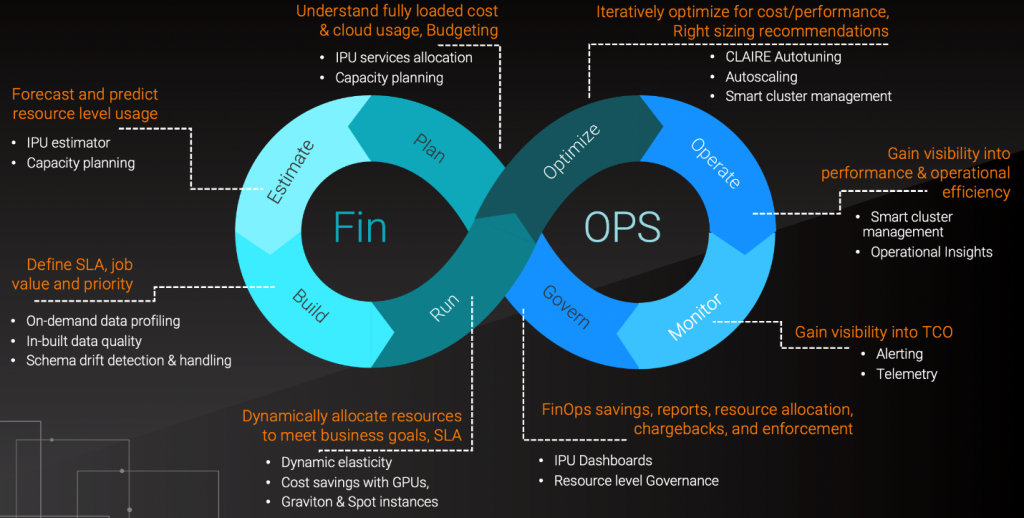
There are several reasons why obtaining FinOps certification is valuable. First, it demonstrates to potential employers that you have the skills and knowledge necessary to succeed in the FinOps field. This can make you a more attractive candidate for job openings and can increase your salary potential.
Additionally, FinOps certification can help you stay up-to-date with the latest trends and best practices in the industry. This can be particularly valuable in a rapidly evolving field like FinOps, where staying current is essential to success.
How to Obtain FinOps Certification
Obtaining FinOps certification requires a combination of education and experience. Here are the steps you can take to obtain this valuable certification:
Step 1: Gain Experience in FinOps
Before pursuing FinOps certification, it’s important to gain experience in the field. This can be accomplished through working in a FinOps role, taking on FinOps responsibilities in your current position, or participating in FinOps-related projects.
Step 2: Complete FinOps Training
To obtain FinOps certification, you must complete a FinOps training program. This program should cover topics such as cloud financial management, cloud technology, and FinOps best practices. The FinOps Foundation offers several training options, including online courses, in-person workshops, and self-study materials.
Step 3: Pass the FinOps Certification Exam
After completing the FinOps training program, you must pass the FinOps certification exam. This exam tests your knowledge of FinOps best practices, cloud financial management, and cloud technology. The exam is administered online and consists of multiple-choice questions.
Step 4: Maintain Your Certification
Once you’ve obtained FinOps certification, it’s important to maintain it by staying up-to-date with the latest trends and best practices in the field. The FinOps Foundation offers ongoing education and training opportunities to help you do so.
Conclusion
Obtaining FinOps certification can be a valuable way to advance your career in the financial operations field. By following the steps outlined in this article, you can gain the experience and knowledge necessary to obtain this globally recognized certification. So why wait? Start your journey towards FinOps certification today!

👤 About the Author
Ashwani is passionate about DevOps, DevSecOps, SRE, MLOps, and AiOps, with a strong drive to simplify and scale modern IT operations. Through continuous learning and sharing, Ashwani helps organizations and engineers adopt best practices for automation, security, reliability, and AI-driven operations.
🌐 Connect & Follow:
Website: WizBrand.com
Facebook: facebook.com/DevOpsSchool
X (Twitter): x.com/DevOpsSchools
LinkedIn: linkedin.com/company/devopsschool
YouTube: youtube.com/@TheDevOpsSchool
Instagram: instagram.com/devopsschool
Quora: devopsschool.quora.com
Email– contact@devopsschool.com
Find Trusted Cardiac Hospitals
Compare heart hospitals by city and services — all in one place.
Explore Hospitals




