Agile is a set of principles and values that emphasize iterative and collaborative approaches to software development and project management. While there are several Agile methodologies and frameworks, here are some of the most well-known models:
Scrum:
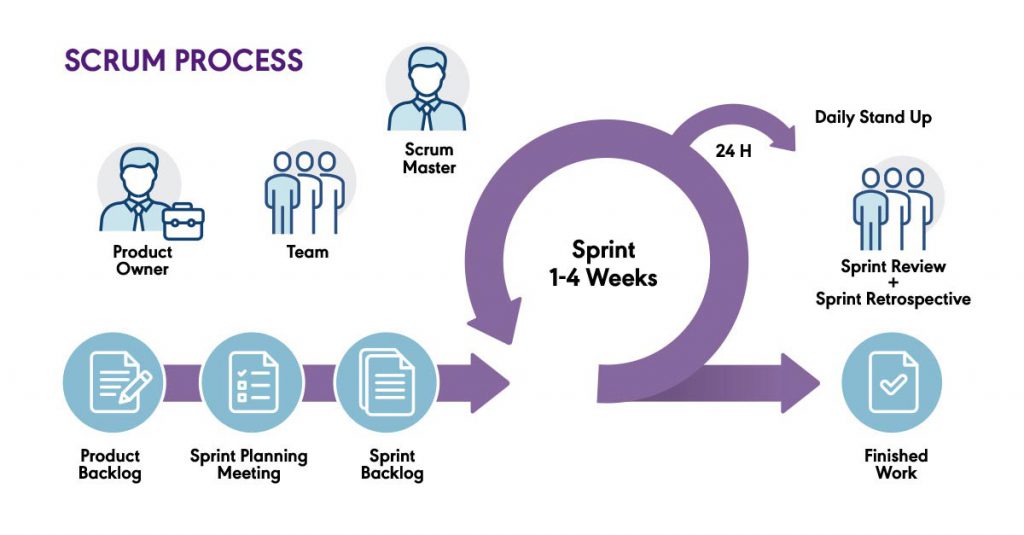
Scrum is one of the most popular Agile frameworks. It divides work into time-boxed iterations called sprints and emphasizes self-organizing, cross-functional teams. Scrum includes roles like Product Owner, Scrum Master, and Development Team.
Kanban:
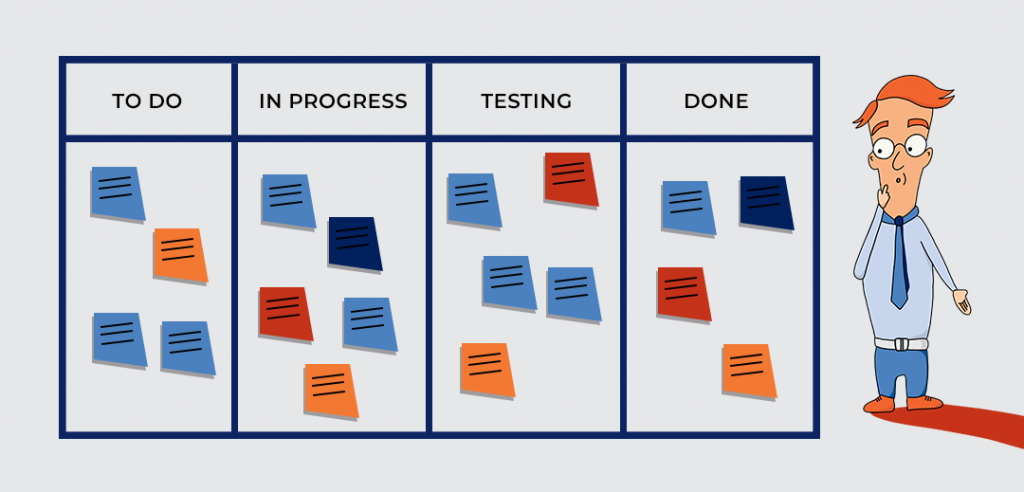
Kanban is a visual framework that focuses on workflow management and limiting work in progress (WIP). It visualizes tasks on a Kanban board and emphasizes continuous flow, flexibility, and transparency.
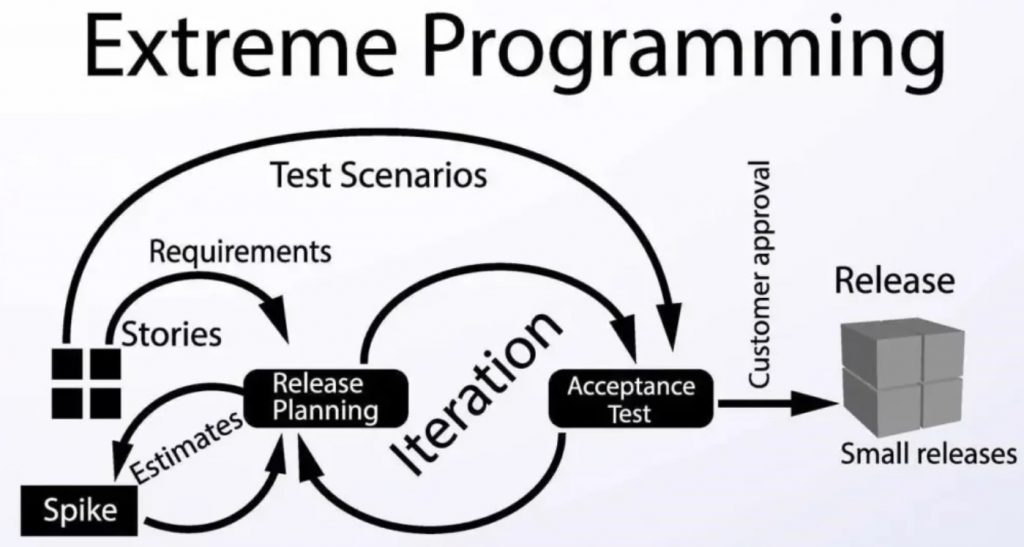
Extreme Programming (XP):
XP is an Agile software development methodology that emphasizes close collaboration between developers and customers. It includes practices such as test-driven development (TDD), pair programming, continuous integration, and frequent releases.
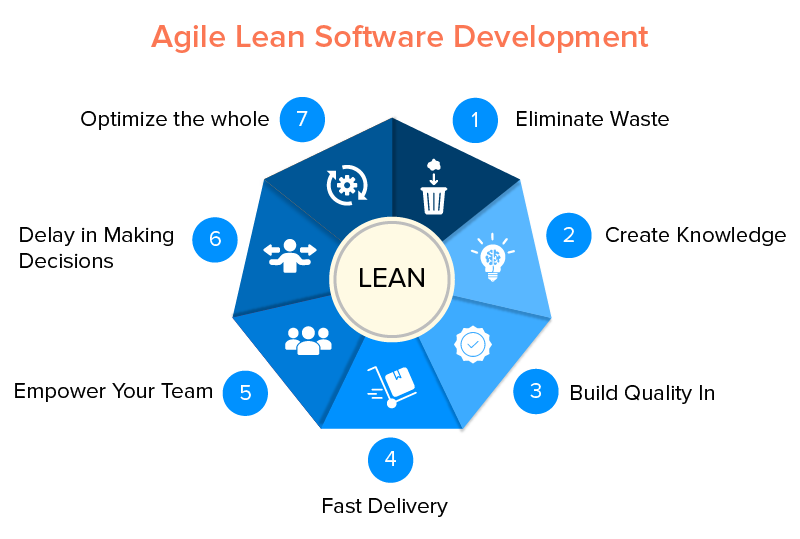
Lean Software Development:
Lean is a methodology inspired by the Toyota Production System. It aims to eliminate waste, optimize flow, and continuously improve the software development process. It focuses on delivering value to the customer quickly and reducing unnecessary work.
Crystal:
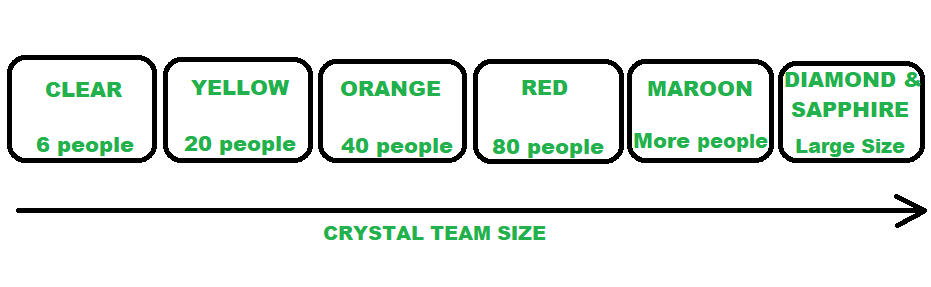
Crystal is a family of Agile methodologies developed by Alistair Cockburn. It includes different variants (Crystal Clear, Crystal Orange, Crystal Yellow, etc.) tailored to different project sizes and characteristics. Crystal promotes frequent communication, simplicity, and reflection.
Feature-Driven Development (FDD):
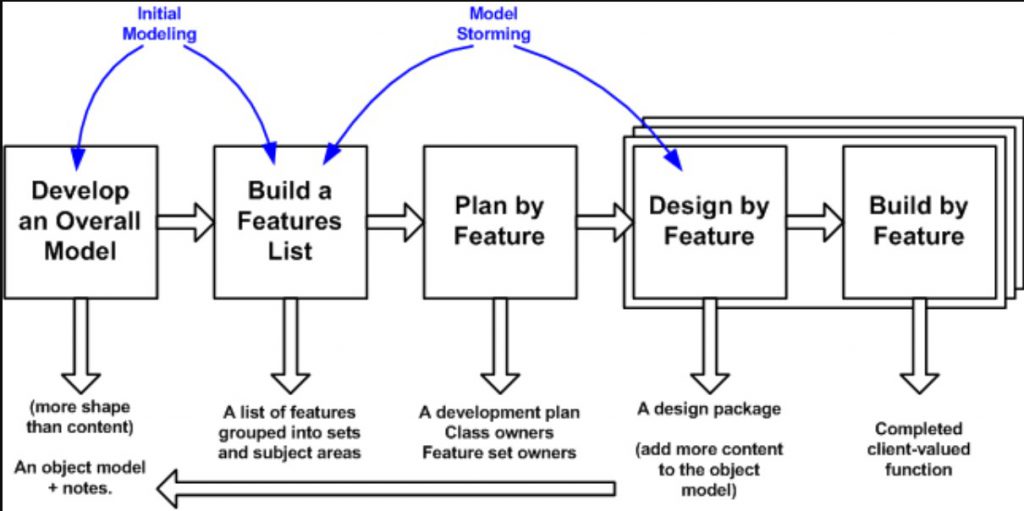
FDD is an Agile framework that emphasizes a feature-centric approach to software development. It involves developing a list of features, planning, iterative development, and regular progress reporting.
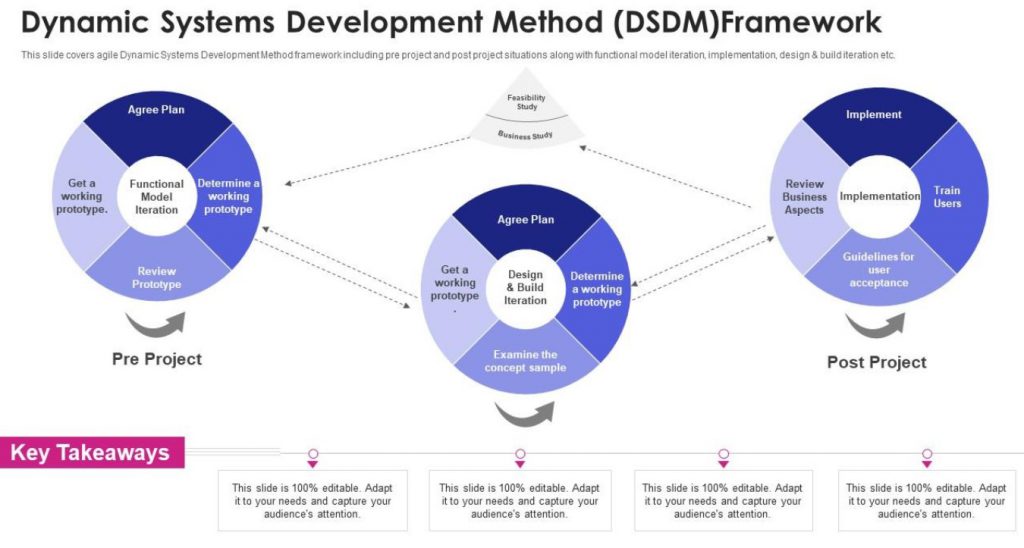
Dynamic Systems Development Method (DSDM):
DSDM is an Agile project delivery framework that provides a structured approach to software development. It includes iterative and incremental development, time-boxed iterations, and emphasizes active user involvement.
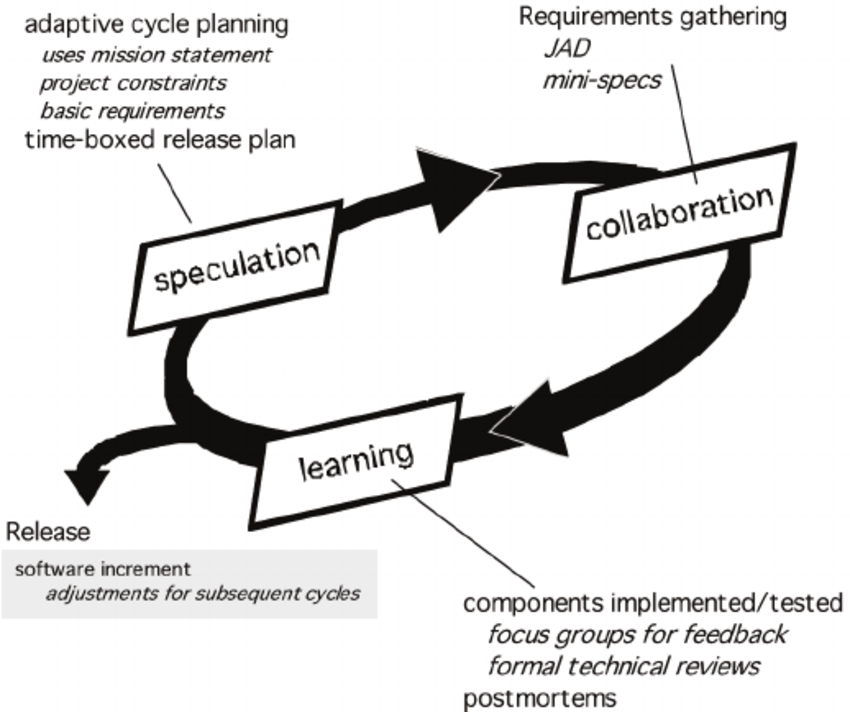
Adaptive Software Development (ASD):
ASD is an Agile methodology that focuses on collaboration, self-organizing teams, and continuous learning. It comprises three phases: speculation, collaboration, and learning.
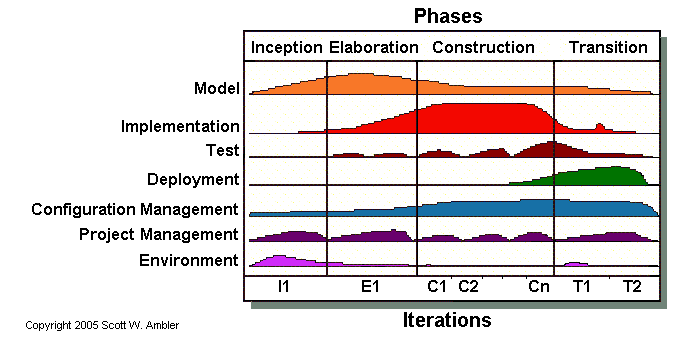
Agile Unified Process (AUP):
AUP is a simplified version of the Rational Unified Process (RUP) and combines Agile techniques with iterative and incremental development. It provides a flexible framework that can be tailored to specific project needs.
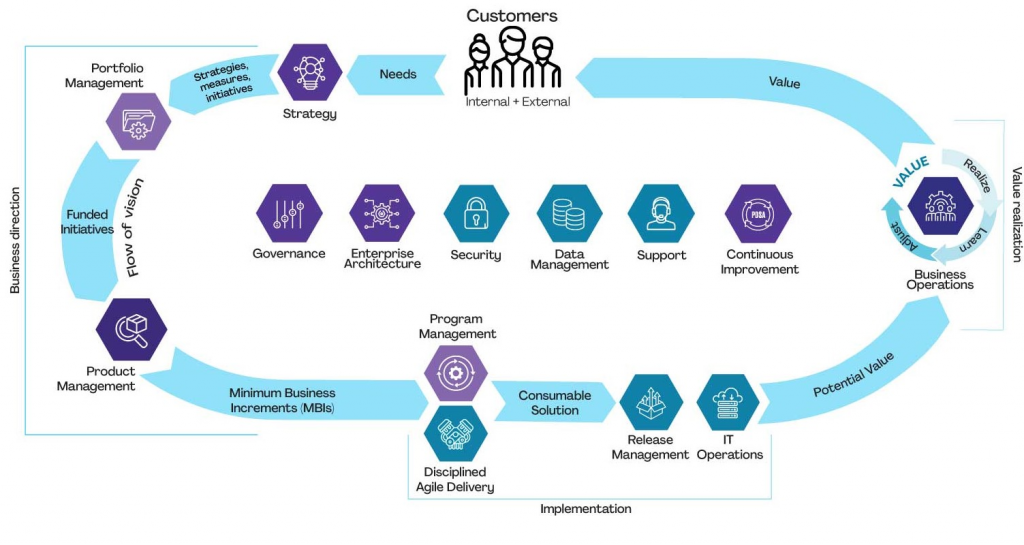
Disciplined Agile (DA):
Disciplined Agile is a hybrid Agile framework that combines Agile principles with other project management practices, including Lean, Scrum, Kanban, and more. It provides a toolkit of options and guidance for choosing the right practices for a given context.
Agile project management training
DevOpsSchool is a highly regarded platform for Agile project management training, offering a comprehensive curriculum, experienced instructors, and flexible learning options. Here are some key reasons why DevOpsSchool stands out as an excellent choice for Agile project management training:
1. Comprehensive Curriculum: DevOpsSchool’s Agile project management courses cover a wide range of topics, from Agile fundamentals and methodologies to advanced concepts like Scrum, Kanban, and SAFe. This comprehensive approach ensures that you gain a thorough understanding of Agile principles and practices.
2. Experienced Instructors: DevOpsSchool’s instructors are certified Agile practitioners with extensive industry experience. They bring real-world insights and practical examples to the classroom, helping learners connect theory to practical application.
3. Flexible Learning Options: DevOpsSchool offers a variety of learning options to suit different preferences and schedules. You can choose from live online classes, self-paced online courses, and blended learning options that combine both live and online elements.
4. Hands-on Learning: DevOpsSchool’s courses emphasize hands-on learning through practical exercises, case studies, and real-world projects. This approach allows learners to apply their knowledge and skills in simulated environments, preparing them for practical scenarios in the workplace.
5. Industry-recognized Certifications: DevOpsSchool offers industry-recognized Agile project management certifications, such as the Certified ScrumMaster (CSM) and Certified Scrum Product Owner (CSPO). These certifications enhance your credibility and validate your expertise in the Agile domain.
6. Supportive Learning Community: DevOpsSchool fosters a supportive learning community through online forums, study groups, and mentorship opportunities. This allows learners to connect with peers, seek guidance, and share their learning experiences.
7. Career Guidance and Support: DevOpsSchool provides career guidance and support to help learners achieve their professional goals. They offer resume and interview preparation assistance, as well as job placement resources to connect learners with potential employers.

I’m Rajesh Kumar, a DevOps, SRE, DevSecOps, Cloud, and Platform Engineering expert passionate about sharing practical knowledge, real-world experiences, and industry best practices. I have worked at Cotocus and regularly write about technology, travel, investing, health, product reviews, and digital marketing through my various platforms.
I publish technical articles at DevOps School, travel stories at Holiday Landmark, stock market insights at Stocks Mantra, health and fitness guidance at My Medic Plus, product reviews at TrueReviewNow, and SEO and digital marketing strategies at Wizbrand.
Find Trusted Cardiac Hospitals
Compare heart hospitals by city and services — all in one place.
Explore Hospitals