
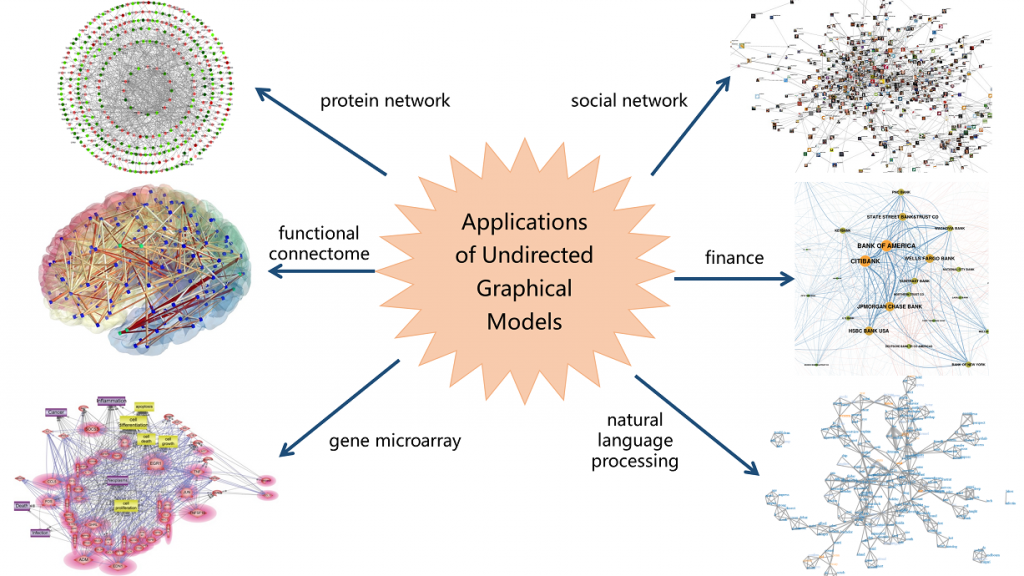
Are you looking for a comprehensive list of graphical models libraries? Look no further! In this article, we’ll cover some of the best libraries for graphical models, including <H2>Probabilistic Graphical Models (PGM)</H2>, <H2>Bayesian Networks (BN)</H2>, <H2>Markov Random Fields (MRF)</H2>, and <H2>Factor Graphs (FG)</H2>. So, let’s get started!
Probabilistic Graphical Models (PGM)
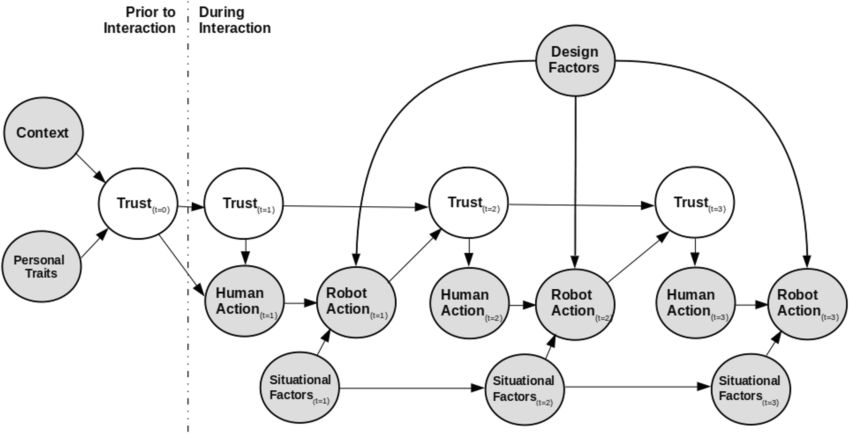
Probabilistic Graphical Models, or PGMs, are a popular tool for modeling complex systems. Here are some of the best libraries for PGMs:
1. Pyro
Pyro is a probabilistic programming language that can be used for a wide variety of applications, including PGMs. Pyro is based on the popular Python programming language and is designed to be both easy to use and highly extensible.
2. Edward
Edward is another popular library for PGMs. It is built on top of TensorFlow, one of the most popular deep learning libraries, and provides a wide range of tools for building and training PGMs.
3. Stan
Stan is a popular probabilistic programming language that is often used for Bayesian inference. It provides a wide range of tools for building and training PGMs, including a powerful modeling language and a range of inference algorithms.
Bayesian Networks (BN)
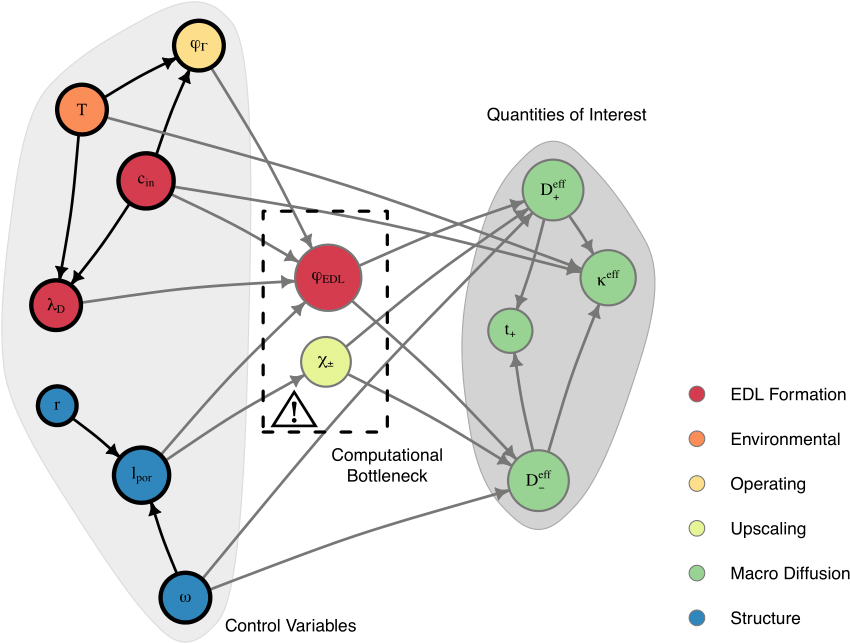
Bayesian Networks, or BNs, are a type of graphical model that is particularly useful for modeling probabilistic relationships between variables. Here are some of the best libraries for BNs:
1. BayesPy
BayesPy is a powerful library for building and training BNs. It provides a wide range of tools for Bayesian inference, including a variety of inference algorithms and a powerful modeling language.
2. PyMC3
PyMC3 is another popular library for building and training BNs. It is built on top of Theano, a popular library for deep learning, and provides a range of tools for building and training Bayesian models.
3. CausalNex
CausalNex is a library for building causal Bayesian networks. It provides a range of tools for building and training causal models, including a powerful modeling language and a range of inference algorithms.
Markov Random Fields (MRF)
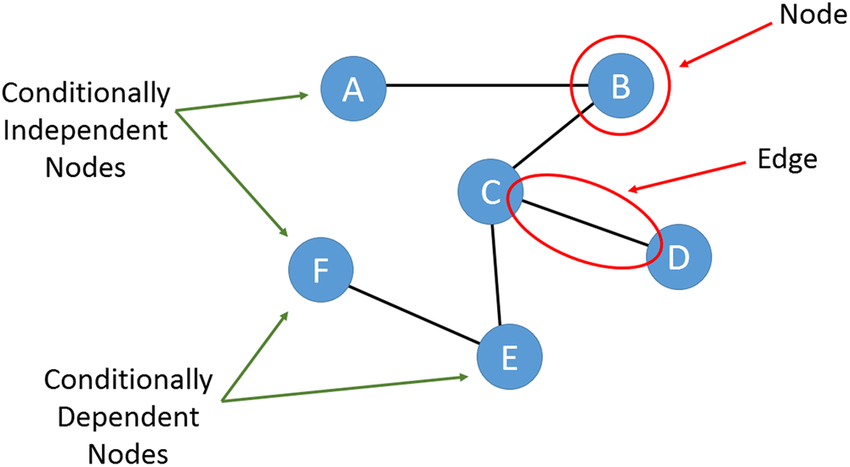
Markov Random Fields, or MRFs, are a type of graphical model that is particularly useful for modeling complex systems with many interacting variables. Here are some of the best libraries for MRFs:
1. PyStruct
PyStruct is a powerful library for building and training MRFs. It provides a range of tools for building and training structured prediction models, including a powerful modeling language and a range of inference algorithms.
2. MRJob
MRJob is a library for building and training MapReduce jobs. It provides a range of tools for building and training MRFs, including a powerful modeling language and a range of inference algorithms.
3. scikit-learn
scikit-learn is a popular library for machine learning. It provides a range of tools for building and training MRFs, including a powerful modeling language and a range of inference algorithms.
Factor Graphs (FG)
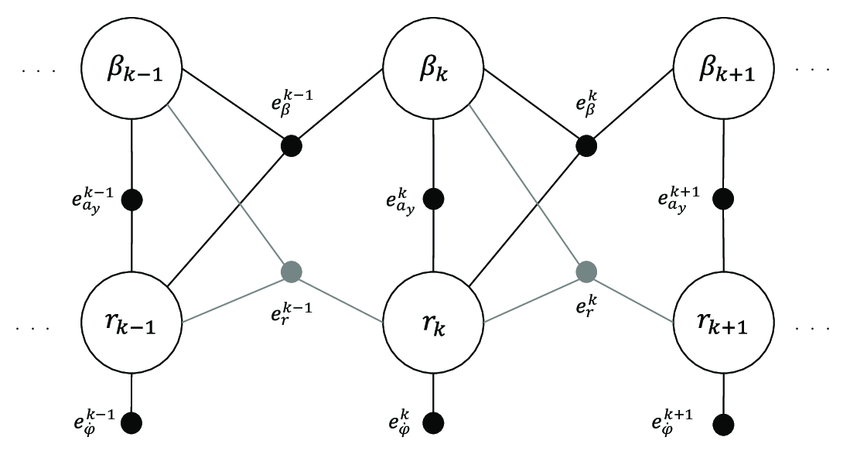
Factor Graphs, or FGs, are a type of graphical model that is particularly useful for modeling complex systems with many interacting variables and factors. Here are some of the best libraries for FGs:
1. Factorie
Factorie is a powerful library for building and training FGs. It provides a range of tools for building and training factor graphs, including a powerful modeling language and a range of inference algorithms.
2. FGL
FGL is a library for building and training FGs. It provides a range of tools for building and training factor graphs, including a powerful modeling language and a range of inference algorithms.
3. GraphLab
GraphLab is a popular library for machine learning. It provides a range of tools for building and training FGs, including a powerful modeling language and a range of inference algorithms.
So, there you have it! A comprehensive list of some of the best libraries for graphical models. Whether you’re working with PGMs, BNs, MRFs, or FGs, these libraries will provide you with the tools you need to build and train complex models. Happy modeling!

👤 About the Author
Ashwani is passionate about DevOps, DevSecOps, SRE, MLOps, and AiOps, with a strong drive to simplify and scale modern IT operations. Through continuous learning and sharing, Ashwani helps organizations and engineers adopt best practices for automation, security, reliability, and AI-driven operations.
🌐 Connect & Follow:
Website: WizBrand.com
Facebook: facebook.com/DevOpsSchool
X (Twitter): x.com/DevOpsSchools
LinkedIn: linkedin.com/company/devopsschool
YouTube: youtube.com/@TheDevOpsSchool
Instagram: instagram.com/devopsschool
Quora: devopsschool.quora.com
Email– contact@devopsschool.com
Find Trusted Cardiac Hospitals
Compare heart hospitals by city and services — all in one place.
Explore Hospitals




