Are you interested in investing in cryptocurrencies such as Bitcoin, Ethereum, and Litecoin? If so, you’ll need a cryptocurrency wallet to securely store your digital assets. In this article, we’ll explore what a cryptocurrency wallet is and why it’s important.
What is a Cryptocurrency Wallet?
A cryptocurrency wallet is a software program that stores private and public keys. These keys allow you to send and receive digital currencies such as Bitcoin, Ethereum, and Litecoin. Each wallet has a unique address that is used to identify it on the blockchain network.
Why Do You Need a Cryptocurrency Wallet?
If you want to buy, sell, or trade cryptocurrencies, you’ll need a wallet to store them. Cryptocurrencies are stored on the blockchain network, which is a decentralized ledger that records all transactions. Your wallet is your own personal interface to the blockchain, allowing you to send and receive digital currencies.
Types of Cryptocurrency Wallets
There are several types of cryptocurrency wallets, including:
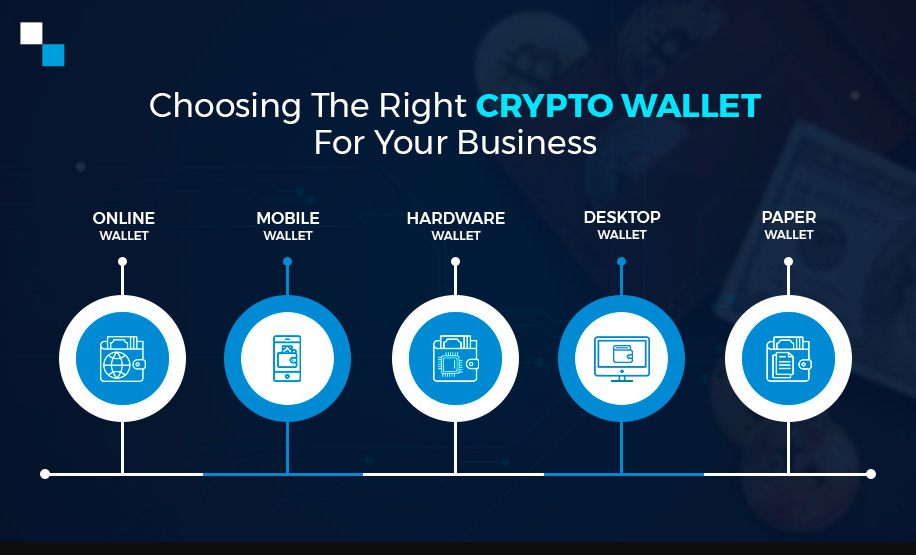
- Hardware wallets: These are physical devices that store your private keys offline. They are considered the most secure type of wallet.
- Software wallets: These are digital wallets that can be downloaded to your computer or mobile device. They can be further divided into:
- Desktop wallets: These are wallets that are installed on your computer.
- Mobile wallets: These are wallets that are downloaded to your mobile device.
- Web wallets: These are wallets that are accessed through a web browser.
- Paper wallets: These are physical pieces of paper that contain your private keys. They are considered an offline storage method.
How to Choose a Cryptocurrency Wallet
When choosing a cryptocurrency wallet, there are several factors to consider:
- Security: Look for a wallet that has strong security features, such as two-factor authentication and encryption.
- Compatibility: Make sure the wallet is compatible with the cryptocurrency you want to store.
- Ease of use: Choose a wallet that is easy to use and has a user-friendly interface.
- Customer support: Look for a wallet that has good customer support in case you run into any issues.
Conclusion
A cryptocurrency wallet is an essential tool for anyone looking to invest in digital currencies. By securely storing your private and public keys, you can safely send and receive cryptocurrencies on the blockchain network. When choosing a wallet, make sure to consider factors such as security, compatibility, ease of use, and customer support.

👤 About the Author
Ashwani is passionate about DevOps, DevSecOps, SRE, MLOps, and AiOps, with a strong drive to simplify and scale modern IT operations. Through continuous learning and sharing, Ashwani helps organizations and engineers adopt best practices for automation, security, reliability, and AI-driven operations.
🌐 Connect & Follow:
Website: WizBrand.com
Facebook: facebook.com/DevOpsSchool
X (Twitter): x.com/DevOpsSchools
LinkedIn: linkedin.com/company/devopsschool
YouTube: youtube.com/@TheDevOpsSchool
Instagram: instagram.com/devopsschool
Quora: devopsschool.quora.com
Email– contact@devopsschool.com
Find Trusted Cardiac Hospitals
Compare heart hospitals by city and services — all in one place.
Explore Hospitals