Do you know what FinOps culture is? If you don’t, that’s okay – it’s a relatively new term that’s gaining popularity in the tech industry. In this blog post, we’ll dive into what FinOps culture is, its benefits, and how you can implement it in your organization.
What is FinOps?
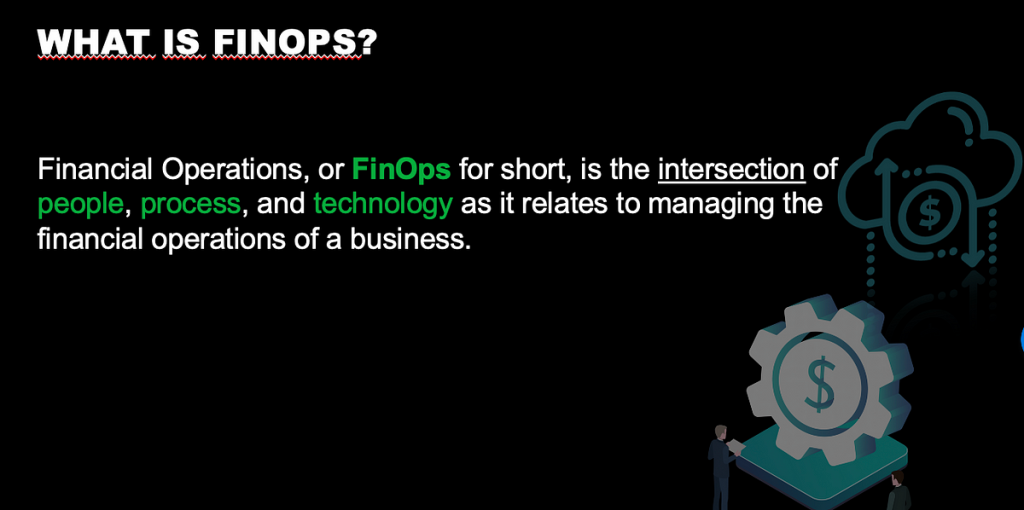
Before we talk about FinOps culture, let’s first define FinOps. FinOps stands for Financial Operations, and it’s a framework that focuses on the collaboration between finance, engineering, and business teams to optimize cloud costs. With the rise of cloud computing, companies are finding themselves spending more on cloud services than they initially anticipated. FinOps aims to help companies manage their cloud costs more effectively.
What is FinOps Culture?
FinOps culture refers to a company culture that embraces the FinOps framework. It’s a culture that encourages collaboration between finance, engineering, and business teams to optimize cloud costs continuously. FinOps culture is all about breaking down silos and promoting cross-functional collaboration.
Benefits of FinOps Culture
There are several benefits to adopting FinOps culture in your organization:

Cost Optimization
The primary benefit of FinOps culture is cost optimization. By embracing the FinOps framework, companies can identify areas where they’re overspending and take action to reduce costs. This can result in significant savings for the company.
Improved Collaboration
FinOps culture encourages collaboration between finance, engineering, and business teams. By working together, teams can identify cost-saving opportunities and implement them more effectively.
Increased Visibility
FinOps culture provides increased visibility into cloud costs. By tracking cloud costs more closely, companies can make more informed decisions about where to allocate resources.
Improved Agility
FinOps culture promotes agility in cloud spending. By continuously monitoring cloud costs, companies can quickly adjust their spending to meet changing business needs.
How to Implement FinOps Culture
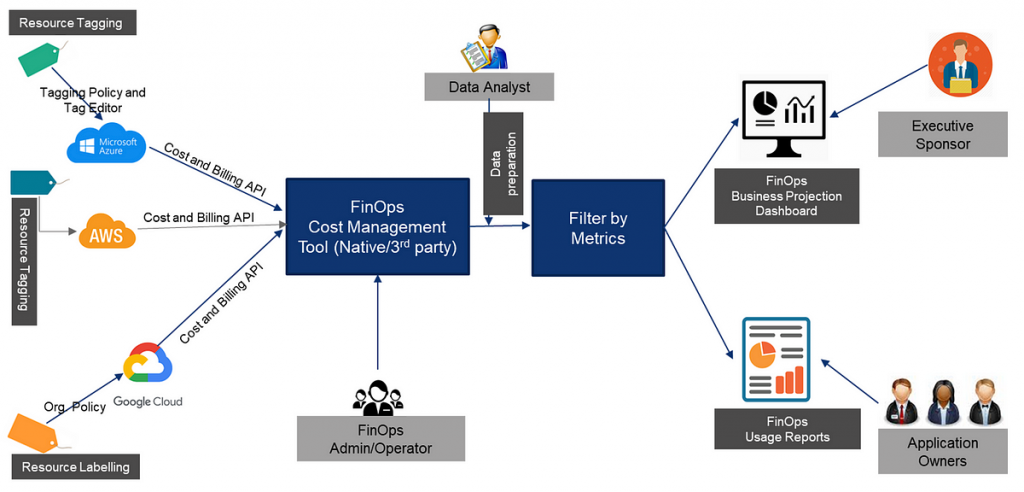
Implementing FinOps culture in your organization requires a mindset shift. Here are some steps you can take to get started:
Create a Cross-Functional Team
The first step to implementing FinOps culture is to create a cross-functional team that includes representatives from finance, engineering, and business teams. This team will be responsible for implementing the FinOps framework and promoting cross-functional collaboration.
Define Roles and Responsibilities
Once you’ve formed your cross-functional team, it’s essential to define roles and responsibilities. Each team member should have a clear understanding of their role in the FinOps process.
Establish a Cost Governance Model
To effectively manage cloud costs, you need to establish a cost governance model. This model should include policies and procedures for managing cloud costs, as well as tools and processes for monitoring and reporting on cloud costs.
Monitor Cloud Costs Continuously
Finally, to implement FinOps culture successfully, you need to monitor cloud costs continuously. This means regularly reviewing cloud usage and identifying areas where you can reduce costs.
Conclusion
FinOps culture is a new concept, but it’s one that’s gaining popularity in the tech industry. By embracing FinOps culture, companies can optimize their cloud costs and promote cross-functional collaboration. If you’re interested in implementing FinOps culture in your organization, start by creating a cross-functional team, defining roles and responsibilities, establishing a cost governance model, and monitoring cloud costs continuously. With the right mindset and approach, you can successfully implement FinOps culture and start reaping the benefits.

👤 About the Author
Ashwani is passionate about DevOps, DevSecOps, SRE, MLOps, and AiOps, with a strong drive to simplify and scale modern IT operations. Through continuous learning and sharing, Ashwani helps organizations and engineers adopt best practices for automation, security, reliability, and AI-driven operations.
🌐 Connect & Follow:
Website: WizBrand.com
Facebook: facebook.com/DevOpsSchool
X (Twitter): x.com/DevOpsSchools
LinkedIn: linkedin.com/company/devopsschool
YouTube: youtube.com/@TheDevOpsSchool
Instagram: instagram.com/devopsschool
Quora: devopsschool.quora.com
Email– contact@devopsschool.com
Find Trusted Cardiac Hospitals
Compare heart hospitals by city and services — all in one place.
Explore Hospitals