Have you heard of the term “NoOps scalability”? If not, don’t worry – you’re not alone. NoOps scalability is a relatively new concept in the world of software development and IT operations. In this blog post, we’ll explore what NoOps scalability is, why it’s important, and how it can benefit your business.
What is NoOps?
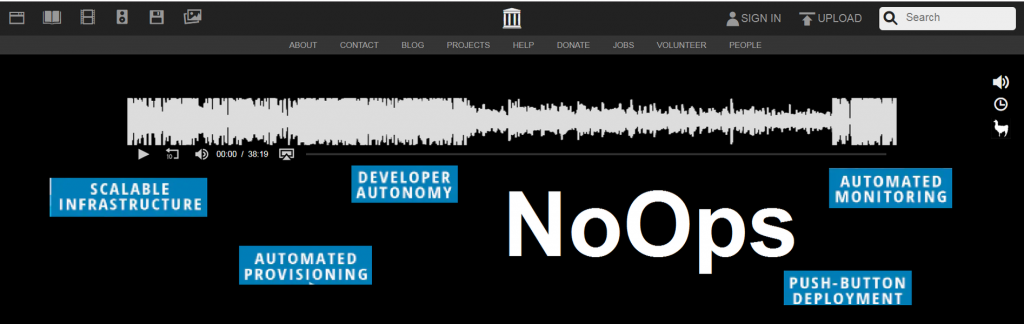
Before we dive into NoOps scalability, let’s first define what NoOps is. NoOps is short for “No Operations” and is a term used to describe a software development and delivery model where developers are responsible for the entire software development lifecycle, including production deployment, monitoring, and maintenance. In a NoOps environment, developers have access to automated tools and platforms that handle tasks traditionally performed by operations teams, such as infrastructure management and application monitoring.
What is NoOps Scalability?
Now that we understand what NoOps is, let’s discuss NoOps scalability. NoOps scalability is the ability of a software system to scale without the need for manual intervention. In other words, it’s the ability of a system to automatically scale up or down based on demand, without the need for human intervention.
NoOps scalability is achieved through the use of automated tools and platforms that are designed to handle the entire software development lifecycle, including production deployment, monitoring, and maintenance. These tools and platforms use machine learning algorithms and artificial intelligence to automatically detect and respond to changes in demand, allowing the system to scale up or down as needed.
Why is NoOps Scalability Important?
NoOps scalability is important for several reasons. First, it allows businesses to scale their software systems quickly and easily without the need for human intervention. This results in faster time-to-market, increased efficiency, and reduced costs.
Second, NoOps scalability allows businesses to focus on their core competencies, rather than spending time and resources on infrastructure management and application monitoring. This allows businesses to be more agile and responsive to changing market conditions, which is essential in today’s fast-paced business environment.
Finally, NoOps scalability is important because it allows businesses to deliver a better customer experience. By automatically scaling up or down based on demand, businesses can ensure that their systems are always available and responsive, even during peak usage periods.
How Can NoOps Scalability Benefit Your Business?
NoOps scalability can benefit your business in several ways. First, it can help you save time and money by reducing the need for manual intervention. This allows you to focus on your core competencies and deliver products and services more quickly.
Second, NoOps scalability can help you stay competitive by allowing you to be more agile and responsive to changing market conditions. This is essential in today’s fast-paced business environment, where companies that can adapt quickly are more likely to succeed.
Finally, NoOps scalability can help you deliver a better customer experience by ensuring that your systems are always available and responsive, even during peak usage periods. This can help you build customer loyalty and increase customer satisfaction, which is essential for long-term success.
Conclusion
NoOps scalability is a powerful concept that can help businesses scale their software systems quickly and easily without the need for human intervention. By using automated tools and platforms that handle the entire software development lifecycle, businesses can focus on their core competencies, be more agile and responsive to changing market conditions, and deliver a better customer experience. If you’re looking to take your business to the next level, NoOps scalability is definitely worth considering.

👤 About the Author
Ashwani is passionate about DevOps, DevSecOps, SRE, MLOps, and AiOps, with a strong drive to simplify and scale modern IT operations. Through continuous learning and sharing, Ashwani helps organizations and engineers adopt best practices for automation, security, reliability, and AI-driven operations.
🌐 Connect & Follow:
Website: WizBrand.com
Facebook: facebook.com/DevOpsSchool
X (Twitter): x.com/DevOpsSchools
LinkedIn: linkedin.com/company/devopsschool
YouTube: youtube.com/@TheDevOpsSchool
Instagram: instagram.com/devopsschool
Quora: devopsschool.quora.com
Email– contact@devopsschool.com
Find Trusted Cardiac Hospitals
Compare heart hospitals by city and services — all in one place.
Explore Hospitals