Are you tired of hearing about DevOps? Well, it’s time to learn about the new kid on the block – CloudOps. But what exactly is CloudOps culture?
The Basics of CloudOps
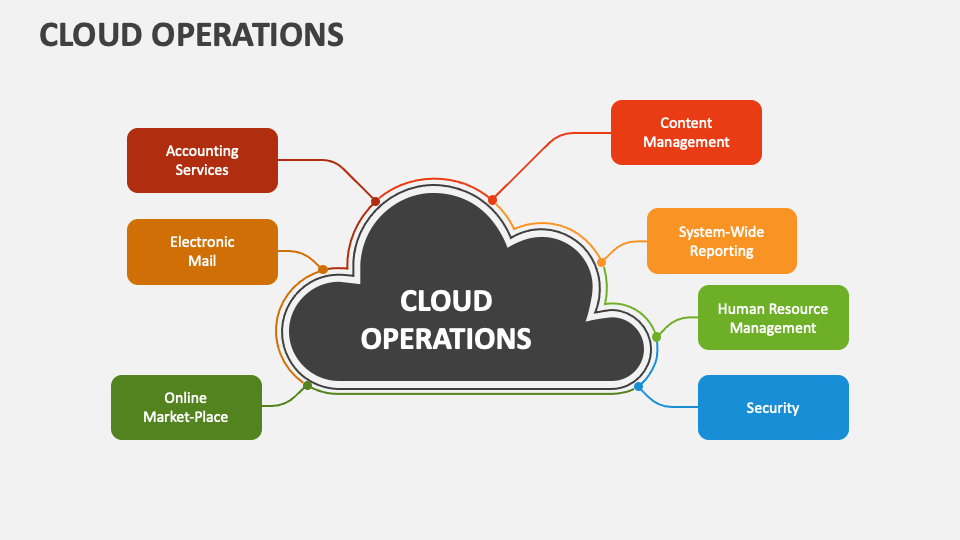
To understand CloudOps, we need to first understand what the cloud is. The cloud refers to the use of remote servers to store, manage, and process data. CloudOps is the management of this cloud infrastructure. It is the practice of using DevOps principles to manage and maintain cloud architecture.
The Birth of CloudOps
CloudOps culture was born out of the need for better management of cloud infrastructure. As the cloud became more popular, it became clear that traditional IT operations were not sufficient to manage the complexity of cloud architecture. This is where CloudOps comes in.
The Principles of CloudOps
The principles of CloudOps are similar to those of DevOps. The focus is on collaboration, automation, and continuous improvement. Some of the key principles of CloudOps include:
- Automation: Automating tasks and processes reduces the risk of human error and increases efficiency.
- Collaboration: CloudOps requires collaboration between different teams, including developers, operations, and security.
- Continuous improvement: CloudOps is a continuous process of improvement. Teams are constantly learning and adapting to new technologies and processes.
- Monitoring: Monitoring is a key aspect of CloudOps. Teams need to monitor cloud infrastructure to ensure it is running smoothly and identify and fix issues as they arise.
The Benefits of CloudOps
There are many benefits to adopting a CloudOps culture. Some of the key benefits include:
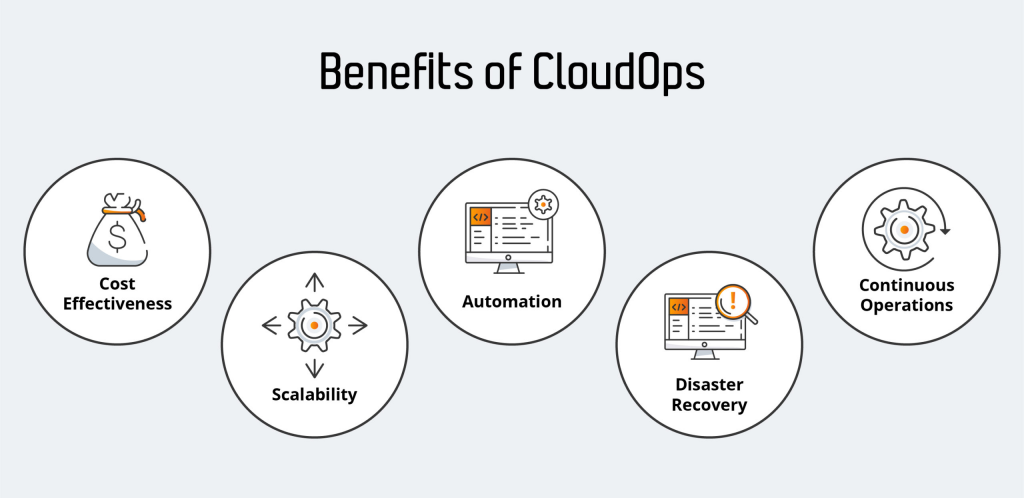
- Scalability: CloudOps allows organizations to scale their infrastructure as needed.
- Cost savings: CloudOps can help organizations save money by reducing the need for expensive hardware and software.
- Agility: CloudOps enables organizations to be more agile and respond quickly to changing business needs.
- Security: CloudOps can help organizations improve their security posture by ensuring that cloud infrastructure is properly configured and monitored.
The Future of CloudOps
CloudOps is still a relatively new culture, but it is quickly gaining traction. As more organizations move to the cloud, the need for CloudOps will only continue to grow. In the future, we can expect to see more automation and AI in CloudOps, as well as increased collaboration between different teams and departments.
Conclusion
In conclusion, CloudOps is the practice of using DevOps principles to manage and maintain cloud infrastructure. It is a relatively new culture, but one that is quickly gaining traction. By adopting a CloudOps culture, organizations can benefit from increased scalability, cost savings, agility, and security. So, if you’re tired of hearing about DevOps, it’s time to embrace the new kid on the block – CloudOps.

👤 About the Author
Ashwani is passionate about DevOps, DevSecOps, SRE, MLOps, and AiOps, with a strong drive to simplify and scale modern IT operations. Through continuous learning and sharing, Ashwani helps organizations and engineers adopt best practices for automation, security, reliability, and AI-driven operations.
🌐 Connect & Follow:
Website: WizBrand.com
Facebook: facebook.com/DevOpsSchool
X (Twitter): x.com/DevOpsSchools
LinkedIn: linkedin.com/company/devopsschool
YouTube: youtube.com/@TheDevOpsSchool
Instagram: instagram.com/devopsschool
Quora: devopsschool.quora.com
Email– contact@devopsschool.com
Find Trusted Cardiac Hospitals
Compare heart hospitals by city and services — all in one place.
Explore Hospitals