
Are you tired of manually deploying your applications and constantly struggling with version control? GitOps might be the solution you’ve been looking for! But where do you even begin? With so many tutorials out there, it can be difficult to determine which one is the best for your needs. In this article, we’ll explore the top GitOps tutorials available and help you find the one that’s right for you.
Introduction to GitOps
Before we dive into the tutorials, let’s first establish a basic understanding of what GitOps is. GitOps is a way of managing infrastructure and applications through the use of Git workflows. This approach allows for faster, more reliable and secure application deployments.
GitOps relies on the idea of a “single source of truth”. This means that all changes to the infrastructure and application code are made through Git commits and pull requests. This approach ensures that the code is always up-to-date and consistent across all environments.
The Best GitOps Tutorials
1. GitOps 101: A Beginner’s Guide to GitOps
If you’re new to GitOps, this tutorial by DigitalOcean is a great place to start. It covers the basics of GitOps, including how it works, its benefits, and how to get started. The tutorial also includes step-by-step instructions on how to set up your own GitOps pipeline using Kubernetes and FluxCD.
2. GitOps with Argo CD: A Hands-On Tutorial
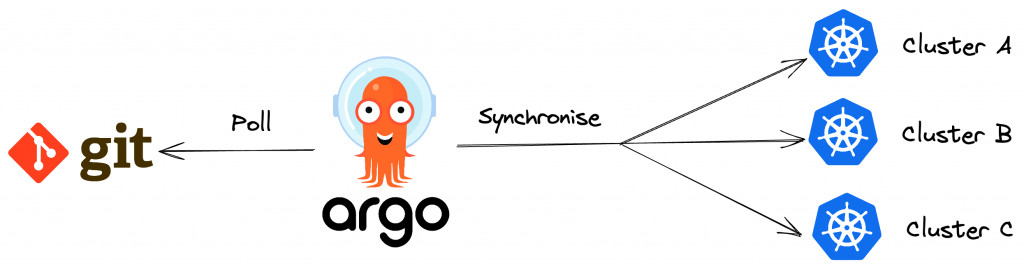
Argo CD is a popular tool for implementing GitOps pipelines. This tutorial by Red Hat covers how to use Argo CD to manage your Kubernetes applications. It includes a step-by-step guide on how to set up your GitOps pipeline, as well as tips and tricks for getting the most out of Argo CD.
3. GitOps Tutorial: CI/CD for Kubernetes Using GitHub Actions
If you’re already familiar with Git and GitHub, this tutorial by CloudBees is a great option. It covers how to use GitHub Actions to create a GitOps pipeline for your Kubernetes applications. The tutorial includes detailed instructions on how to set up your pipeline, as well as tips for troubleshooting common issues.
4. GitOps Tutorial: Managing Kubernetes Environments with FluxCD
This tutorial by WeaveWorks is another great option for those looking to use FluxCD for their GitOps pipelines. It covers how to set up FluxCD and use it to manage your Kubernetes environments. The tutorial includes step-by-step instructions, as well as tips and tricks for getting the most out of FluxCD.
Conclusion
With the rise of containerization and Kubernetes, GitOps has become an increasingly popular approach to managing infrastructure and applications. Whether you’re new to GitOps or a seasoned pro, there’s a tutorial out there for you. By following one of the tutorials we’ve outlined above, you’ll be well on your way to implementing a successful GitOps pipeline. So what are you waiting for? Get started today!

👤 About the Author
Ashwani is passionate about DevOps, DevSecOps, SRE, MLOps, and AiOps, with a strong drive to simplify and scale modern IT operations. Through continuous learning and sharing, Ashwani helps organizations and engineers adopt best practices for automation, security, reliability, and AI-driven operations.
🌐 Connect & Follow:
Website: WizBrand.com
Facebook: facebook.com/DevOpsSchool
X (Twitter): x.com/DevOpsSchools
LinkedIn: linkedin.com/company/devopsschool
YouTube: youtube.com/@TheDevOpsSchool
Instagram: instagram.com/devopsschool
Quora: devopsschool.quora.com
Email– contact@devopsschool.com
Find Trusted Cardiac Hospitals
Compare heart hospitals by city and services — all in one place.
Explore Hospitals
A practical gap that is often missing when discussing “best GitOps tutorials” is that most resources focus heavily on tool setup and happy-path workflows, but don’t adequately prepare engineers for the real operational complexity that appears in production environments. In practice, learning GitOps is not just about understanding Git-based workflows or installing tools like Argo CD or Flux, but about building a strong mental model of continuous reconciliation, failure handling, and environment promotion strategies across distributed systems. Many tutorials underplay challenges such as managing secrets securely, handling multi-cluster deployments, and designing repository structures that remain maintainable as services scale. Another important aspect is observability—understanding how to debug reconciliation failures, detect drift, and trace state mismatches between Git and live clusters is often far more critical than initial setup steps. There is also a tendency for tutorials to assume ideal workflows, while real-world usage involves emergency changes, rollback complexities, and coordination across multiple teams. The most valuable learning approach is not just following a single tutorial, but combining foundational guides with production-focused practices around governance, progressive delivery, and operational safeguards that ensure GitOps remains reliable at scale.