
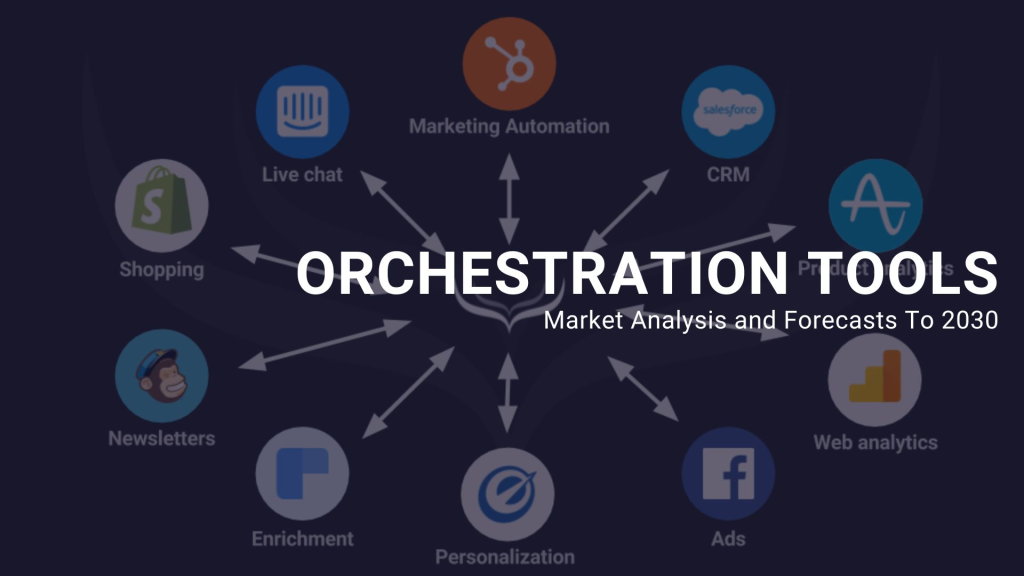
Automation and orchestration tools are like the conductors of the digital orchestra, coordinating and automating complex tasks across various IT domains. In 2024, these tools are becoming increasingly intelligent and sophisticated, playing a critical role in driving efficiency, agility, and resilience in organizations.
Here are some key trends shaping the automation and orchestration landscape in 2024:
1. AI and Machine Learning Take the Stage:
- AI-powered decision making: Automation tools are leveraging AI and machine learning to automate not just repetitive tasks, but also complex decision-making processes. This allows for dynamic workload balancing, resource optimization, and proactive anomaly detection.
- Self-healing infrastructure: Imagine an IT orchestra that can automatically tune itself! AI-powered orchestration tools are enabling self-healing infrastructure, automatically diagnosing and resolving issues before they impact operations.
2. Hybrid and Multi-Cloud Harmony:
- Breaking down siloed symphonies: Automation and orchestration tools are evolving to seamlessly manage hybrid and multi-cloud environments. This eliminates data silos and enables smooth workflows across diverse infrastructure.
- Cloud-native focus: With the increasing adoption of cloud-native technologies, orchestration tools are integrating with containerization platforms like Kubernetes, facilitating agile and scalable deployments.
3. Security as the Underlying Melody:
- Zero-trust orchestration: Security is no longer an afterthought. Automation and orchestration tools are adopting zero-trust principles, enforcing least privilege access and continuously monitoring for threats.
- Compliance in every note: Automation plays a crucial role in ensuring compliance with regulations like GDPR and HIPAA. Orchestration tools can automate data governance and reporting tasks, simplifying compliance efforts.
4. Democratizing Automation for Everyone:
- No-code/low-code composition: Complex automation workflows are becoming accessible to users with limited technical expertise through intuitive no-code/low-code interfaces. This empowers citizen developers and business users to automate tasks, boosting overall productivity.
- API-driven collaboration: Orchestration tools are opening up their capabilities through APIs, enabling seamless integration with other IT tools and platforms. This fosters collaboration and creates a unified automation ecosystem.
Popular Automation and Orchestration Tools in 2024:
- Ansible: A leading open-source platform for IT automation, known for its simplicity and flexibility.
- Puppet: An enterprise-grade automation platform offering powerful features for managing complex infrastructure.
- Chef: A popular configuration management tool with a focus on infrastructure as code.
- Terraform: A cloud-agnostic infrastructure provisioning tool that simplifies multi-cloud deployments.
- Azure Automation: Microsoft’s cloud-based automation service for managing Azure resources and hybrid environments.
- AWS Systems Manager: A comprehensive automation service for managing AWS resources and applications.
Choosing the right automation and orchestration tool depends on your specific needs and IT environment. Consider factors like the complexity of your infrastructure, the level of automation you desire, and your budget.
With the right automation and orchestration tools, your IT operations can become a harmonious symphony of efficiency, agility, and security. So, pick up your digital baton and start conducting the digital orchestra!

Find Trusted Cardiac Hospitals
Compare heart hospitals by city and services — all in one place.
Explore Hospitals
This blog provides a clear and helpful overview of automation and orchestration tools in 2024. I like how it explains key trends like AI integration, multi-cloud support, and security in a simple way. It’s very useful for understanding how these tools improve efficiency, scalability, and overall DevOps workflows.