
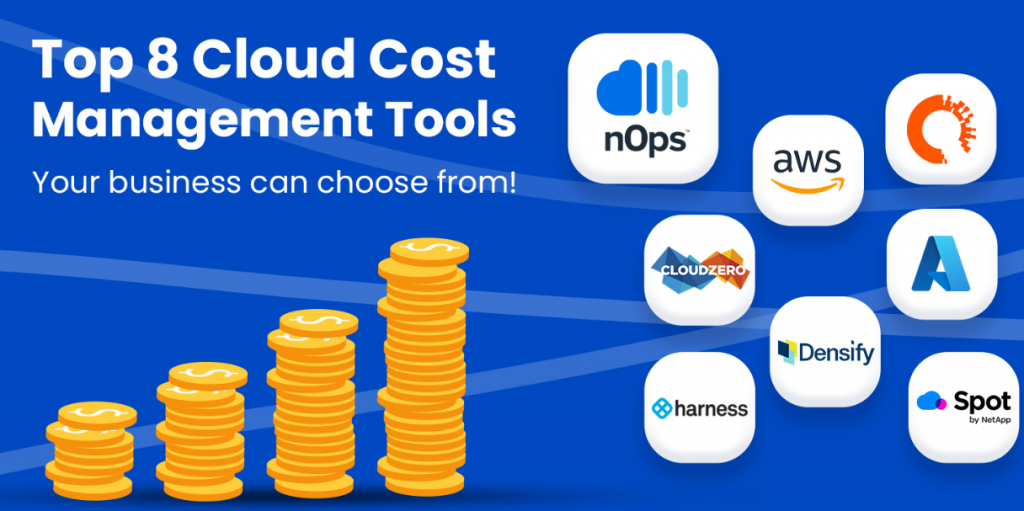
Welcome to this comprehensive guide on managing costs in Cloud Operations (CloudOps). In this article, we will explore the various aspects of cost management in CloudOps, including best practices, challenges, and tools.
Introduction
CloudOps is a critical function for organizations leveraging cloud computing. It involves managing and optimizing the cloud infrastructure, applications, and services to ensure optimal performance, security, and availability. However, one of the biggest challenges of CloudOps is managing costs, which can quickly spiral out of control, leading to budget overruns and other financial risks.
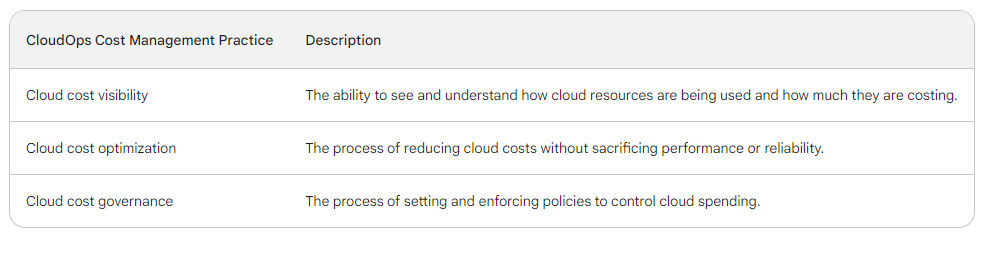
Why is CloudOps Cost Management Important?
CloudOps cost management is essential for several reasons, including:
- Cost optimization: By managing costs, organizations can optimize their cloud spending, reduce waste, and improve efficiency.
- Financial planning: By understanding the costs associated with cloud operations, organizations can better plan for their future financial needs and allocate resources accordingly.
- Risk management: CloudOps cost management helps mitigate financial risks associated with budget overruns, underutilized resources, and other cost-related issues.
Best Practices for CloudOps Cost Management
Effective CloudOps cost management requires a holistic approach that considers various factors, including:
1. Define a Clear Cost Management Strategy
Before embarking on cost management, organizations should define a clear cost management strategy that aligns with their business objectives. This strategy should consider factors such as budget, resource allocation, and performance goals.
2. Monitor and Analyze Costs Regularly
Organizations should monitor and analyze their cloud costs regularly to identify cost-saving opportunities and areas of inefficiency. Tools such as cost dashboards, alerts, and reports can help with this process.
3. Optimize Resource Utilization
Optimizing resource utilization involves ensuring that cloud resources are being utilized effectively and efficiently. This involves identifying underutilized resources and resizing or decommissioning them.
4. Leverage Cost Management Tools
Several cost management tools are available to help organizations manage their cloud costs effectively. These tools provide features such as cost monitoring, analysis, optimization, and reporting.
5. Encourage Cost Awareness and Accountability
Organizations should encourage cost awareness and accountability among their teams. This involves educating team members on the importance of cost management and providing them with the tools and resources they need to manage costs effectively.
Challenges in CloudOps Cost Management
Managing costs in CloudOps is not without its challenges, including:
- Complexity: Cloud infrastructure is complex, and managing costs requires a deep understanding of various cloud services, pricing models, and usage patterns.
- Lack of Visibility: Organizations may lack visibility into their cloud costs, making it challenging to identify cost-saving opportunities and optimize resource utilization.
- Cultural Resistance: Cultural resistance to cost management practices can hinder effective cost management in CloudOps.
Tools for CloudOps Cost Management
Several tools are available to help organizations manage costs in CloudOps, including:
- Cloud Cost Management Platforms: These platforms provide comprehensive cost management features, including cost analysis, monitoring, optimization, and reporting.
- Cloud Management Platforms: These platforms offer a suite of tools for managing cloud infrastructure, including cost management features.
- Cloud Optimization Tools: These tools provide recommendations for optimizing cloud costs and utilization.
Conclusion
CloudOps cost management is a critical function for organizations leveraging cloud computing. By following best practices, addressing challenges, and leveraging cost management tools, organizations can optimize their cloud spending, improve efficiency, and mitigate financial risks. Hopefully, this guide has provided you with the insights and information you need to manage costs effectively in CloudOps.

👤 About the Author
Ashwani is passionate about DevOps, DevSecOps, SRE, MLOps, and AiOps, with a strong drive to simplify and scale modern IT operations. Through continuous learning and sharing, Ashwani helps organizations and engineers adopt best practices for automation, security, reliability, and AI-driven operations.
🌐 Connect & Follow:
Website: WizBrand.com
Facebook: facebook.com/DevOpsSchool
X (Twitter): x.com/DevOpsSchools
LinkedIn: linkedin.com/company/devopsschool
YouTube: youtube.com/@TheDevOpsSchool
Instagram: instagram.com/devopsschool
Quora: devopsschool.quora.com
Email– contact@devopsschool.com
Find Trusted Cardiac Hospitals
Compare heart hospitals by city and services — all in one place.
Explore Hospitals




