Are you interested in a career as a SysOps professional but unsure of how to get started? Look no further! In this article, we’ll cover everything you need to know about SysOps training and certification.
What is SysOps?
Before diving into the training and certification process, let’s first define SysOps. SysOps, short for Systems Operations, is a field of IT that focuses on the maintenance and optimization of computer systems and networks. A SysOps professional is responsible for ensuring that these systems run smoothly and efficiently, minimizing downtime and maximizing performance.
Why Get Certified?
While not strictly necessary, getting certified as a SysOps professional can have numerous benefits. For one, it can help you stand out in a crowded job market. Additionally, certification can demonstrate to potential employers that you have the skills and knowledge necessary to excel in the field.
Types of SysOps Certifications
There are several different types of SysOps certifications, each with their own requirements and benefits. Here are a few of the most popular:
AWS Certified SysOps Administrator
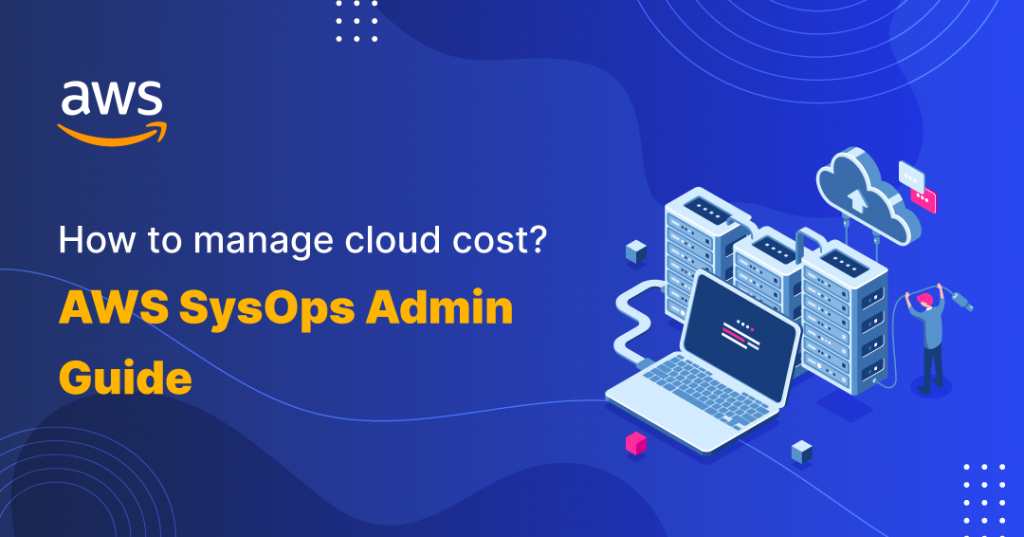
This certification is offered by Amazon Web Services and is designed to demonstrate proficiency in managing and operating systems on the AWS platform. To become certified, you must pass the AWS Certified SysOps Administrator – Associate exam.
Microsoft Certified: Azure Administrator Associate
This certification is offered by Microsoft and focuses on the administration of Azure-based systems. To become certified, you must pass the Microsoft Azure Administrator exam.
CompTIA Linux+
This certification is offered by CompTIA and demonstrates proficiency in Linux-based systems. To become certified, you must pass the CompTIA Linux+ exam.
How to Get SysOps Training
Now that you know a bit more about SysOps and the different types of certifications available, let’s talk about how to get started with training.
Online Courses
One of the easiest ways to get SysOps training is through online courses. Platforms like Udemy and Coursera offer a wide variety of courses on SysOps topics, ranging from basic introductions to more advanced topics like containerization and automation.
In-Person Training
If you prefer a more hands-on approach, in-person training may be a better option for you. Many tech schools and training centers offer courses on SysOps topics. Additionally, some companies may offer on-site training for their employees.
On-The-Job Training
Finally, on-the-job training can also be an effective way to gain SysOps skills. If you’re already working in a related field, talk to your employer about opportunities to cross-train or take on SysOps-related tasks.
Conclusion
In conclusion, becoming certified as a SysOps professional can be a valuable step in your IT career. By following the tips and resources outlined in this article, you’ll be well on your way to success in the field.

👤 About the Author
Ashwani is passionate about DevOps, DevSecOps, SRE, MLOps, and AiOps, with a strong drive to simplify and scale modern IT operations. Through continuous learning and sharing, Ashwani helps organizations and engineers adopt best practices for automation, security, reliability, and AI-driven operations.
🌐 Connect & Follow:
Website: WizBrand.com
Facebook: facebook.com/DevOpsSchool
X (Twitter): x.com/DevOpsSchools
LinkedIn: linkedin.com/company/devopsschool
YouTube: youtube.com/@TheDevOpsSchool
Instagram: instagram.com/devopsschool
Quora: devopsschool.quora.com
Email– contact@devopsschool.com
Find Trusted Cardiac Hospitals
Compare heart hospitals by city and services — all in one place.
Explore Hospitals