
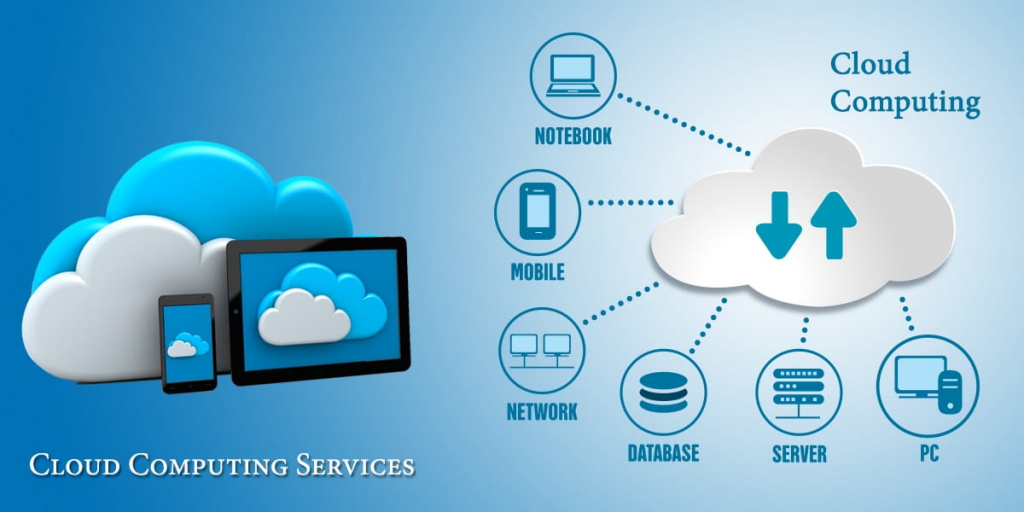
Are you looking for the best cloud computing platforms to host your applications and data? Look no further, as we have compiled a comprehensive list of cloud computing platforms for you to choose from. In this article, we will cover the top cloud platforms available in the market with their features and benefits. So, let’s get started!
What is Cloud Computing?
Before we dive into the list, let’s first understand what cloud computing is. At its core, cloud computing is simply the practice of using remote servers hosted on the internet to store, manage, and process data rather than using a local server or personal computer. It allows you to access these resources on-demand, pay-as-you-go basis, without owning the infrastructure.
List of Cloud Computing Platforms
- Amazon Web Services (AWS)
- Microsoft Azure
- Google Cloud Platform (GCP)
- IBM Cloud
- Oracle Cloud
- Alibaba Cloud
- DigitalOcean
- Vultr
- Linode
- Heroku
Amazon Web Services (AWS)
AWS is a cloud computing platform that provides a wide range of services to businesses of all sizes. It provides a wide range of services such as computing, storage, databases, analytics, machine learning, and more. AWS is known for its high reliability, scalability, and flexibility. It is widely used by large enterprises, startups, and developers.
Microsoft Azure
Microsoft Azure is a cloud computing platform that provides various services to help organizations build, manage, and deploy applications on the cloud. It provides services such as computing, storage, databases, networking, and more. Azure is known for its integration with other Microsoft products such as Office 365, Dynamics 365, and Windows Server. It is widely used by enterprises, government agencies, and developers.
Google Cloud Platform (GCP)
Google Cloud Platform (GCP) is a suite of cloud computing services offered by Google that runs on the same infrastructure that Google uses for its products. It provides services such as computing, storage, databases, networking, and more. GCP is known for its machine learning capabilities and support for open-source technologies. It is widely used by startups, developers, and enterprises.
IBM Cloud
IBM Cloud is a cloud computing platform that provides a wide range of services, including infrastructure as a service (IaaS), platform as a service (PaaS), and software as a service (SaaS). It provides services such as computing, storage, databases, networking, and more. IBM Cloud is known for its support for hybrid and multi-cloud environments. It is widely used by enterprises, startups, and developers.
Oracle Cloud
Oracle Cloud is a comprehensive cloud computing platform that provides a wide range of services, including infrastructure as a service (IaaS), platform as a service (PaaS), and software as a service (SaaS). It provides services such as computing, storage, databases, networking, and more. Oracle Cloud is known for its support for enterprise workloads and applications. It is widely used by large enterprises, government agencies, and developers.
Alibaba Cloud
Alibaba Cloud is the cloud computing division of Alibaba Group, a Chinese multinational conglomerate. It provides services such as computing, storage, databases, networking, and more. Alibaba Cloud is known for its support for e-commerce and big data applications. It is widely used by enterprises, startups, and developers in Asia.
DigitalOcean
DigitalOcean is a cloud computing platform that provides services such as computing, storage, databases, and more. DigitalOcean is known for its ease of use and affordable pricing. It is widely used by startups, developers, and small businesses.
Vultr
Vultr is a cloud computing platform that provides services such as computing, storage, databases, and more. Vultr is known for its high-performance infrastructure and global network. It is widely used by developers, startups, and small businesses.
Linode
Linode is a cloud computing platform that provides services such as computing, storage, databases, and more. Linode is known for its simplicity, reliability, and affordability. It is widely used by developers, startups, and small businesses.
Heroku

Heroku is a cloud computing platform that provides services for building, running, and managing applications. Heroku is known for its support for multiple programming languages and frameworks. It is widely used by startups and developers.
Conclusion
Cloud computing platforms have revolutionized the way businesses operate by providing on-demand access to computing resources. In this article, we have covered the top cloud computing platforms available in the market. Each platform has its unique features and benefits, and choosing the right one depends on your specific needs and requirements. We hope this article helps you make an informed decision on which cloud computing platform to choose. Happy cloud computing!

👤 About the Author
Ashwani is passionate about DevOps, DevSecOps, SRE, MLOps, and AiOps, with a strong drive to simplify and scale modern IT operations. Through continuous learning and sharing, Ashwani helps organizations and engineers adopt best practices for automation, security, reliability, and AI-driven operations.
🌐 Connect & Follow:
Website: WizBrand.com
Facebook: facebook.com/DevOpsSchool
X (Twitter): x.com/DevOpsSchools
LinkedIn: linkedin.com/company/devopsschool
YouTube: youtube.com/@TheDevOpsSchool
Instagram: instagram.com/devopsschool
Quora: devopsschool.quora.com
Email– contact@devopsschool.com
Find Trusted Cardiac Hospitals
Compare heart hospitals by city and services — all in one place.
Explore Hospitals




