
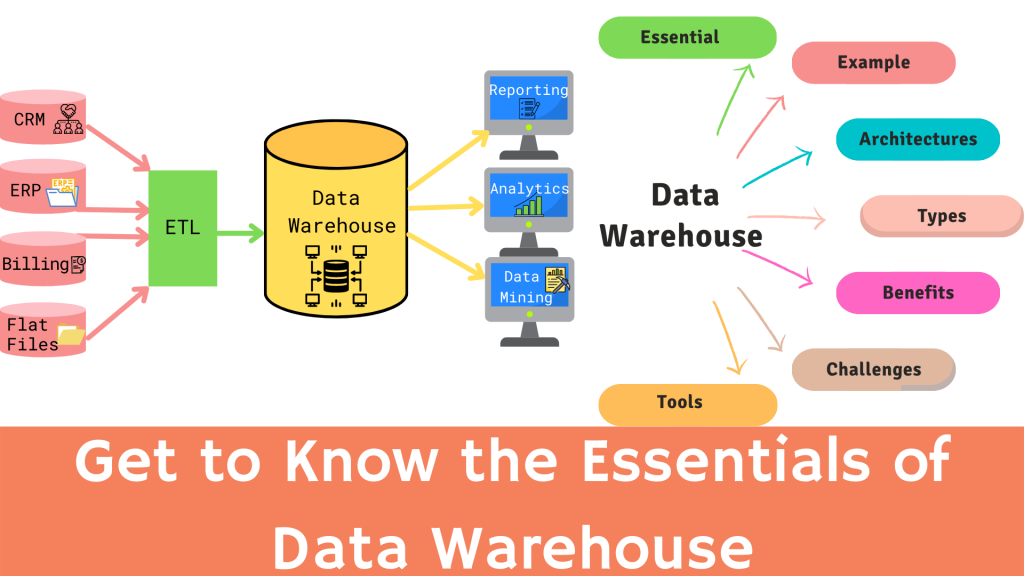
Are you looking for the best data warehousing tools to help you manage your data? Look no further, because we’ve compiled a comprehensive list of the top data warehousing tools available on the market today.
What is Data Warehousing?
Before we dive into the tools, let’s first define what data warehousing is. Simply put, data warehousing is the process of collecting, storing, and managing data from multiple sources to provide insights and make informed decisions. A data warehouse is a central repository of all your organization’s data, including historical and current data.
Top Data Warehousing Tools
Without further ado, here are some of the best data warehousing tools available:
1. Amazon Redshift
Amazon Redshift is a cloud-based data warehousing service that allows you to store and analyze large amounts of data in a cost-effective and scalable way. It offers fast query performance and can handle petabyte-scale data warehousing.
2. Microsoft Azure Synapse Analytics
Microsoft Azure Synapse Analytics, formerly known as Azure SQL Data Warehouse, is a cloud-based data warehousing solution that allows you to store and analyze large amounts of structured and unstructured data. It offers a unified experience for big data and data warehousing and supports both SQL and Spark-based analytics.
3. Google BigQuery
Google BigQuery is a cloud-based data warehousing solution that allows you to store and query large datasets in a fast and cost-effective way. It offers real-time analytics and supports SQL queries, machine learning, and data visualization.
4. Oracle Autonomous Data Warehouse
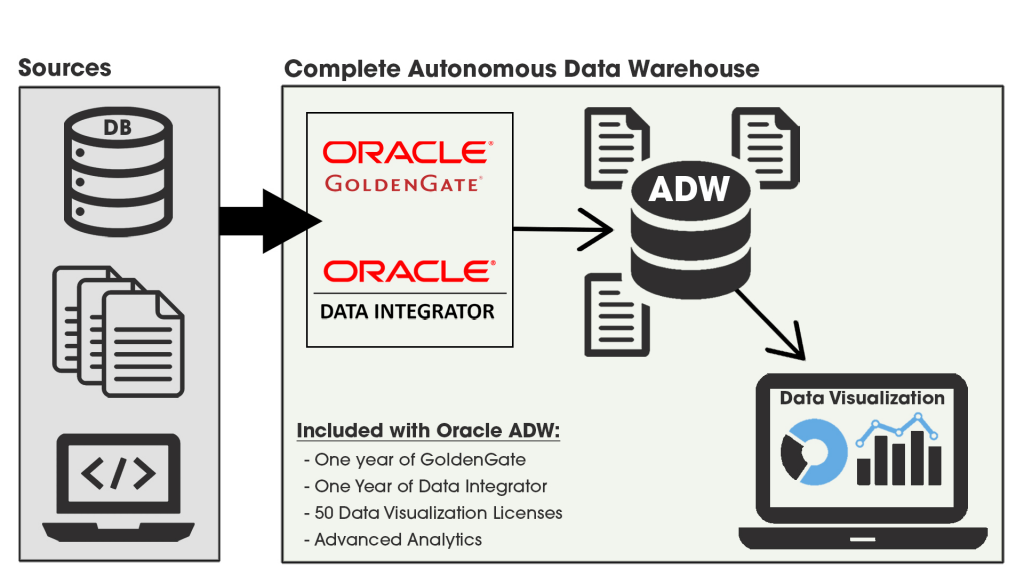
Oracle Autonomous Data Warehouse is a cloud-based data warehousing solution that offers self-driving, self-securing, and self-repairing capabilities. It can handle large amounts of data and offers fast query performance.
5. Snowflake
Snowflake is a cloud-based data warehousing solution that offers fast query performance and can handle petabyte-scale data warehousing. It offers a unique multi-cluster architecture that allows you to scale up and down as needed.
6. IBM Db2 Warehouse
IBM Db2 Warehouse is a cloud-based data warehousing solution that offers fast query performance and can handle large amounts of data. It offers a simple and scalable architecture and supports both SQL and machine learning.
7. SAP Data Warehouse Cloud
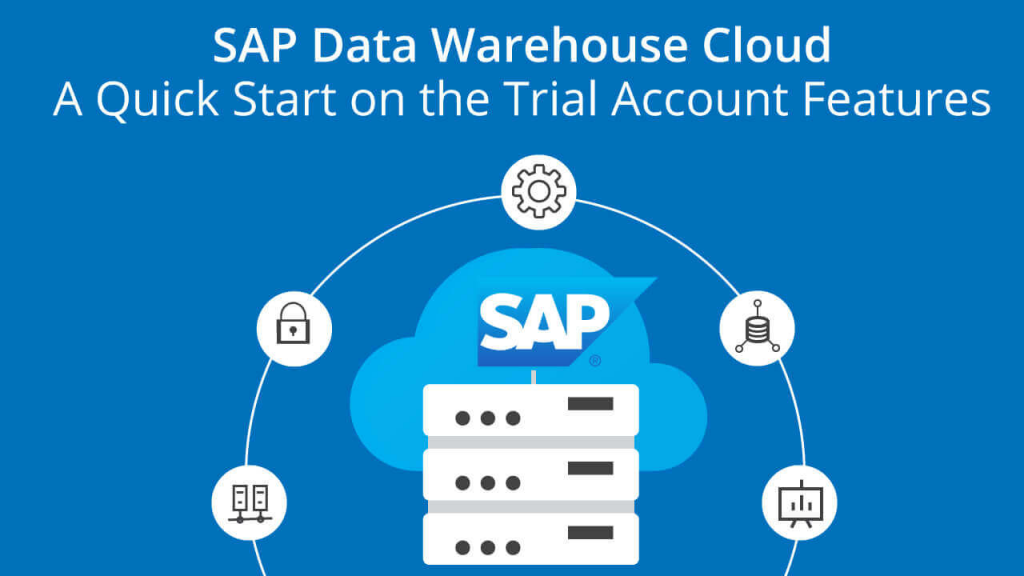
SAP Data Warehouse Cloud is a cloud-based data warehousing solution that offers a unified experience for data management and analytics. It allows you to store and analyze data from multiple sources and supports SQL and machine learning.
Conclusion
In conclusion, data warehousing is an essential process for any organization that wants to make informed decisions based on data. The tools listed above are some of the best data warehousing tools available on the market today, and each one offers unique features and capabilities. Consider your organization’s specific needs and choose a tool that best suits your requirements.

👤 About the Author
Ashwani is passionate about DevOps, DevSecOps, SRE, MLOps, and AiOps, with a strong drive to simplify and scale modern IT operations. Through continuous learning and sharing, Ashwani helps organizations and engineers adopt best practices for automation, security, reliability, and AI-driven operations.
🌐 Connect & Follow:
Website: WizBrand.com
Facebook: facebook.com/DevOpsSchool
X (Twitter): x.com/DevOpsSchools
LinkedIn: linkedin.com/company/devopsschool
YouTube: youtube.com/@TheDevOpsSchool
Instagram: instagram.com/devopsschool
Quora: devopsschool.quora.com
Email– contact@devopsschool.com
Find Trusted Cardiac Hospitals
Compare heart hospitals by city and services — all in one place.
Explore Hospitals




