
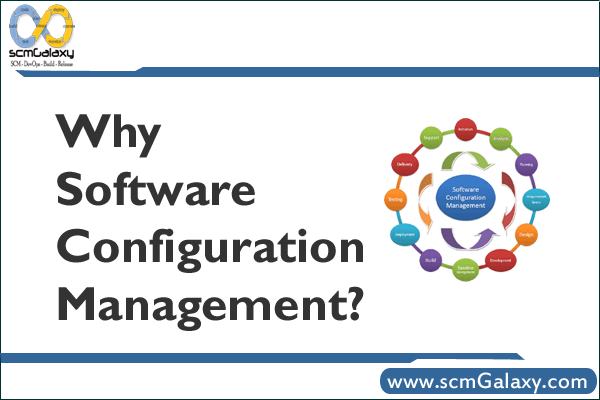
Why Software Configuration Management Matters: Practices, Workflow, and Git-Based Control
Software Configuration Management (SCM) keeps code, infrastructure definitions, and release artifacts controlled and traceable. This guide explains why SCM matters, how the workflow looks in DevOps teams, and which practical commands support reliable delivery.

SCM Process Benefits in Practice: Control, Management, Cost Savings, and Quality
Software configuration management (SCM) creates disciplined control over change, versions, and releases. This updated guide explains the four core organizational benefits and how to operationalize them with practical workflows.
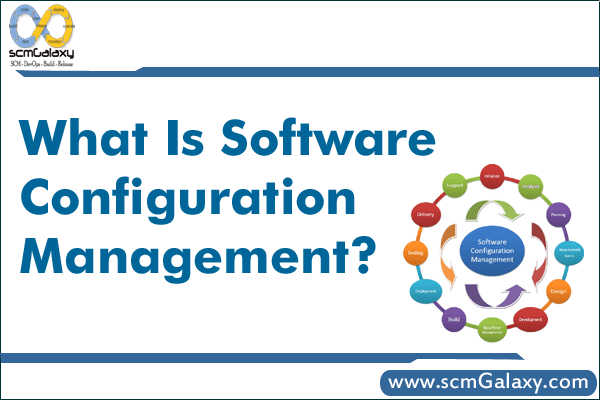
What Is Software Configuration Management, its importance & how to implement it?
Software engineers usually find coding to be the most satisfying aspect of their job. This is easy to understand because programming is a challenging, creative activity requiring extensive technical skills. It can mean getting to “play” with state-of-the-art tools, and it provides almost instant gratification in the form of immediate feedback. Programming is the development task that most readily comes to mind when the profession of software engineering is mentioned.
That said, seasoned engineers and project managers realize that programmers are part of a larger team. All of the integral tasks, such as quality assurance and verification and validation, are behind-the-scenes activities necessary to turn standalone software into a useful and usable commodity. Software configuration management (SCM) falls into this category—it can’t achieve star status, like the latest “killer app,” but it is essential to project success. The smart software project manager highly values the individuals and tools that provide this service.
This chapter will answer the following questions about software configuration management.