
Every DevOps trainer knows the drill. You write a solid script explaining a CI/CD pipeline, walk through it in your head a dozen times, and then hit the wall that stops most technical content from ever becoming video: production. Recording, editing, syncing slides, fixing the take where you fumbled a Kubernetes term — what should be a two-hour task turns into a two-day one, and that’s before you’ve published a single minute of content.
For a field that moves as fast as DevOps, that lag is a real cost. New tools, new versions, new best practices arrive faster than most training teams can turn a script into a finished course, which means a lot of well-written material never makes it past a Google Doc.
Why DevOps Training Content Struggles to Keep Up
DevOps education has a specific problem that other training content doesn’t face as sharply: half-life. A video explaining a Jenkins pipeline in detail can feel dated within a year once the tool ships a major version. A walkthrough of a Terraform workflow needs updating the moment the provider syntax changes. Traditional video production, with its shoot-edit-review cycle, was never built for content that expires this fast.
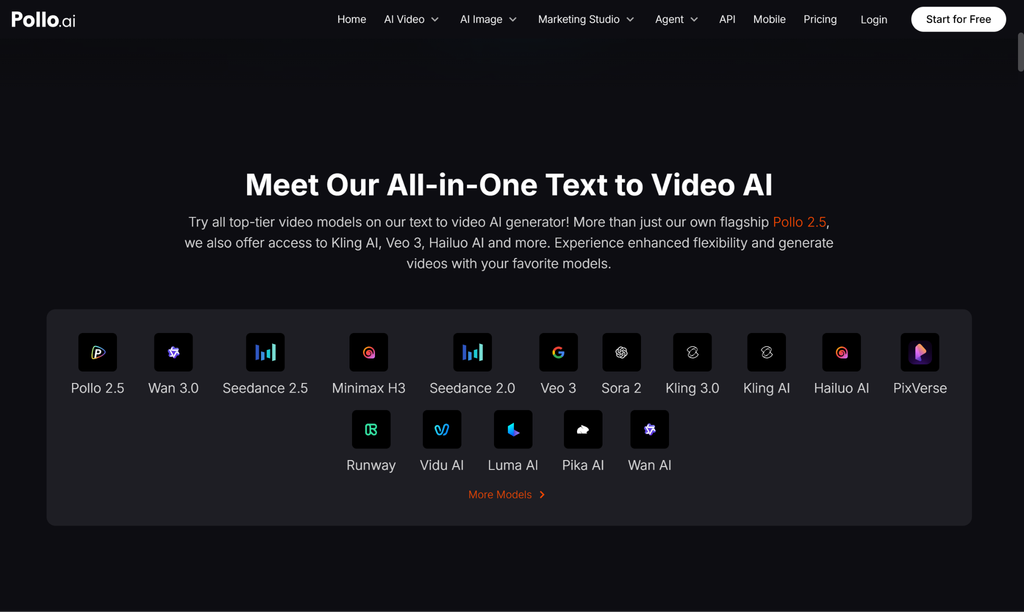
This is exactly the gap that text to video AI, now available through Pollo AI, is built to close. Instead of scripting, recording, and editing a video across several sessions, a trainer can take a written script — the kind already sitting in a course outline or an internal wiki — and generate a video built directly from that text. The distance between “I wrote the explanation” and “the video exists” shrinks from days to minutes, which matters enormously when the underlying tool you’re teaching might get a breaking update before your next content cycle.
Where This Fits Into Real DevOps Training Workflows
The obvious use case is straightforward — turning a written tutorial into video — but the practical applications for a DevOps education team go further once you think through a typical content calendar:
Concept explainers. Short videos breaking down core ideas — what a service mesh does, how blue-green deployment differs from canary releases, why idempotency matters in infrastructure-as-code — can be generated directly from existing documentation or blog content a team has already written and vetted.
Tool update videos. When a platform like Kubernetes, Docker, or a major CI/CD tool ships a significant release, a training team can turn the release notes or an internal summary into a video explainer the same week, instead of the update sitting stale in a written changelog nobody watches.
Onboarding and internal training. Platform engineering teams bringing new hires up to speed on internal tooling and runbooks can convert existing documentation into short video walkthroughs, which tend to get watched far more consistently than a wiki page buried three folders deep.
Course content at scale. For instructors building out a full certification prep course or an internal learning path, generating video from an already-written curriculum means a full module can go from script to publishable video without waiting on a separate production pass for every lesson.
None of this replaces genuine subject-matter expertise — a trainer still needs to know the material cold, and a generated video is only as good as the script behind it. What it removes is the production bottleneck that’s historically kept a lot of accurate, well-written DevOps content trapped in text form.
Refining Longer Content With Pictory AI
A single concept explainer is one thing, but DevOps training often calls for something longer and more structured — a full module walking through a multi-step deployment process, or a course lesson that needs to match a specific pacing and format for a platform like Udemy or an internal LMS. Generating that kind of longer-form content, then getting the pacing, chaptering, and visual structure right, usually calls for a more deliberate editing pass.
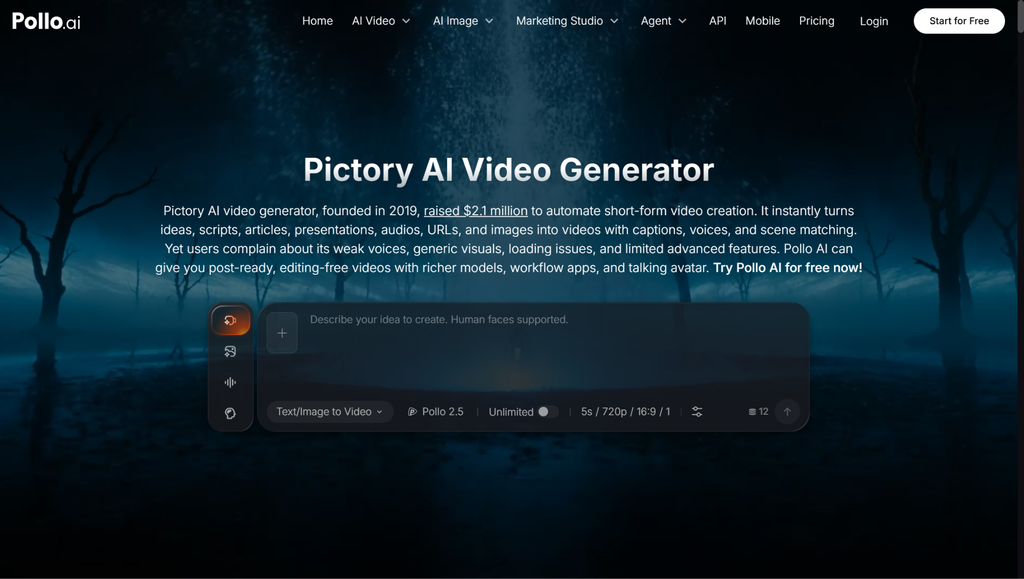
This is where Pollo AI also gives trainers access to Pictory AI, a video creation tool suited to turning longer scripts and existing written material into structured, well-paced video content. A trainer can draft the initial explainer through the text to video AI tool, then move into Pictory AI to shape a longer lesson — adjusting pacing, adding section breaks, and refining the flow so a fifteen-minute module holds together as well as a five-minute one. Both tools live inside the same Pollo AI workspace, so a training team isn’t juggling separate accounts and re-uploading assets between platforms for every piece of content.
Why Speed Matters More in DevOps Than Most Fields
Training content in most disciplines can afford to be evergreen. DevOps content rarely has that luxury. A tutorial on a deployment strategy that was best practice eighteen months ago might now be actively discouraged, and a trainer sitting on outdated video content isn’t just providing a weaker resource — they’re potentially teaching something wrong. The faster a team can turn an updated script into an updated video, the less time there is for stale content to sit in front of learners.
Removing the production lag changes what’s realistic for a training team to maintain. Instead of a handful of flagship videos that get revisited once a year if there’s budget for a re-shoot, a team can treat video updates the same way they treat documentation updates — a routine task that happens whenever the underlying material changes, not a special production event.
A Practical Starting Point
Pick a script or a piece of documentation your team already trusts — something technically accurate that’s simply never made it into video form. Generate a first version through Pollo AI’s text to video AI tool, review it against your usual technical standards, and if it needs more structure or a longer runtime, move it into Pictory AI to refine the pacing before publishing. Treating this as a standard step whenever training material gets written or updated, rather than a separate video project, is what makes the workflow actually stick.
Where This Leaves DevOps Educators
The DevOps field will keep moving fast, and training content will keep needing to catch up to it. What’s changed is that catching up no longer requires a dedicated video production team standing by every time a script needs to become a video. Tools like the ones inside Pollo AI won’t replace the technical expertise a good trainer brings to a script — that judgment is still entirely the trainer’s job. But they do remove the production delay that’s kept a lot of accurate, well-written DevOps knowledge stuck in text when it could have been reaching learners as video months ago.

I’m Rajesh Kumar, a DevOps, SRE, DevSecOps, Cloud, and Platform Engineering expert passionate about sharing practical knowledge, real-world experiences, and industry best practices. I have worked at Cotocus and regularly write about technology, travel, investing, health, product reviews, and digital marketing through my various platforms.
I publish technical articles at DevOps School, travel stories at Holiday Landmark, stock market insights at Stocks Mantra, health and fitness guidance at My Medic Plus, product reviews at TrueReviewNow, and SEO and digital marketing strategies at Wizbrand.
Find Trusted Cardiac Hospitals
Compare heart hospitals by city and services — all in one place.
Explore Hospitals
One thing worth considering is how quickly technical training can become outdated. AI may produce a video quickly, but cloud services, commands, interfaces, and DevOps tools change frequently. Keeping the original scripts and examples version-controlled, reviewing generated content regularly, and tying lessons to specific tool versions can make the material much easier to maintain and reduce confusion for learners following practical exercises.