What the Heck is SysOps Architecture?
Are you feeling lost in the world of tech jargon? Do words like “SysOps architecture” make you want to run for the hills? Fear not, my friend! In this article, we’re going to break down what SysOps architecture is, how it works, and why it’s important.
The Basics
First things first, what is SysOps architecture? SysOps is short for “systems operations,” which refers to the management and maintenance of computer systems and networks. SysOps architecture, then, is the design and implementation of those systems and networks.
The Importance of SysOps Architecture
Why does SysOps architecture matter? Well, think about it like building a house. You wouldn’t just throw some walls and a roof together and call it a day. You need a solid foundation, a well-thought-out floor plan, and a design that takes into account things like the environment, the materials being used, and the needs of the people who will live in the house.
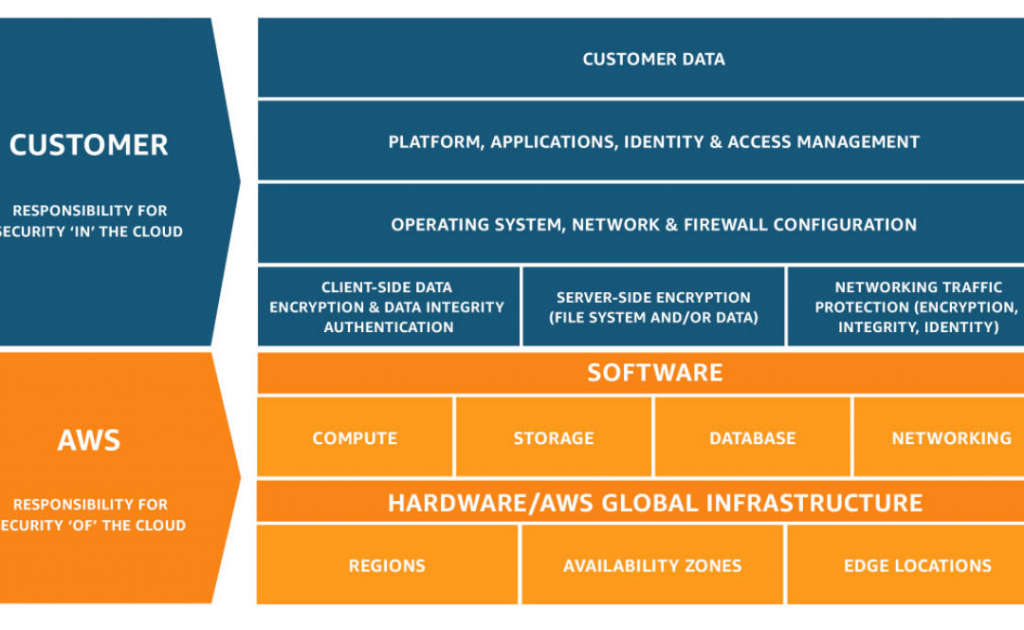
Similarly, when it comes to computer systems and networks, you need a well-designed architecture that takes into account things like scalability, security, and performance. Without a solid SysOps architecture, your systems and networks could be vulnerable to crashes, cyber attacks, and other issues that could have serious consequences for your business.
How SysOps Architecture Works
So, how does SysOps architecture actually work? It starts with understanding the needs of the business or organization. What kind of systems and networks are required? What are the goals and objectives of those systems and networks?
Once those questions are answered, the SysOps architect will design a plan that takes into account things like hardware and software requirements, network topology, security protocols, and disaster recovery plans.
The plan is then put into action, with the SysOps team responsible for implementing and maintaining the systems and networks. This includes tasks like installing and configuring hardware and software, monitoring systems for performance and security issues, and troubleshooting when problems arise.
Anecdotes and Random Facts
Did you know that the term “SysOps” was first coined in the 1990s? It’s true! As computer systems became more complex, the need for a dedicated team to manage and maintain them became apparent. And thus, the SysOps team was born.
Another interesting tidbit: SysOps architecture is closely related to DevOps, which stands for “development operations.” While SysOps focuses on the management and maintenance of systems and networks, DevOps focuses on the development and deployment of software applications.
Wrapping Up
So, there you have it – a crash course in SysOps architecture! While it may seem like a complex and intimidating subject, understanding the basics of SysOps architecture is essential for anyone working in the world of IT. With a solid understanding of SysOps architecture, you’ll be better equipped to design, implement, and maintain computer systems and networks that are secure, reliable, and effective.

👤 About the Author
Ashwani is passionate about DevOps, DevSecOps, SRE, MLOps, and AiOps, with a strong drive to simplify and scale modern IT operations. Through continuous learning and sharing, Ashwani helps organizations and engineers adopt best practices for automation, security, reliability, and AI-driven operations.
🌐 Connect & Follow:
Website: WizBrand.com
Facebook: facebook.com/DevOpsSchool
X (Twitter): x.com/DevOpsSchools
LinkedIn: linkedin.com/company/devopsschool
YouTube: youtube.com/@TheDevOpsSchool
Instagram: instagram.com/devopsschool
Quora: devopsschool.quora.com
Email– contact@devopsschool.com
Find Trusted Cardiac Hospitals
Compare heart hospitals by city and services — all in one place.
Explore Hospitals