
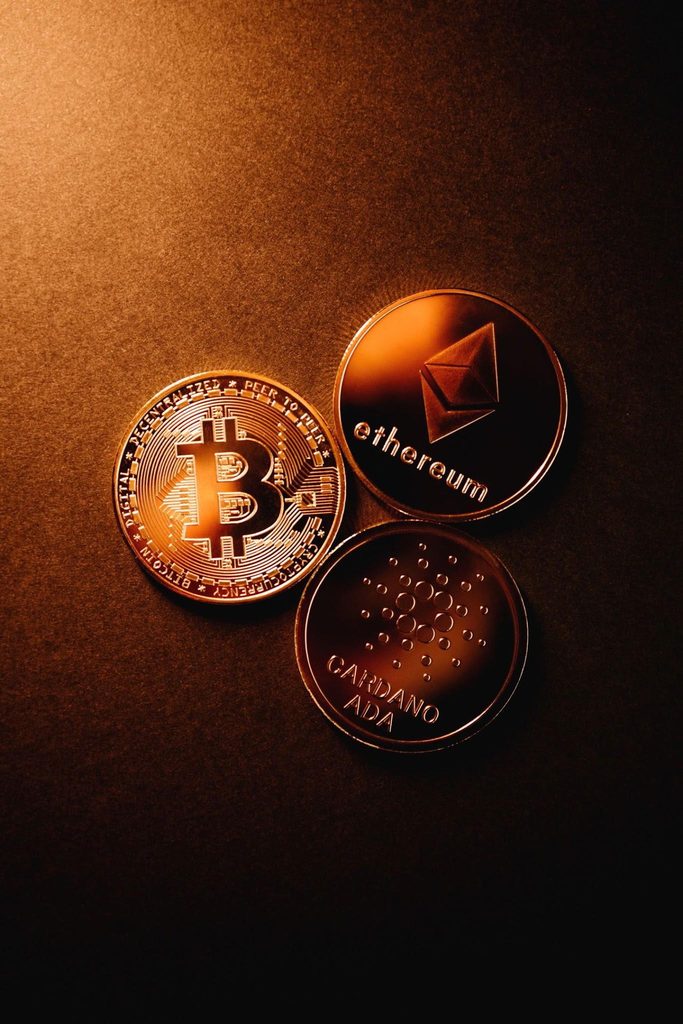
Moving between crypto and traditional currency should be simple, but scammers can turn a routine transaction or a simple ETH to USD conversion into a serious loss. Fraudsters increasingly use fake investment platforms, impersonation and social engineering to persuade people to transfer digital assets.
This is a major issue. The Financial Crimes Enforcement Network (FinCEN) on September 3, 2026 reported approximately $12.7 billion linked to suspected digital asset investment scams.
How social engineering bypasses wallet safeguards
Crypto scams don’t always require a technical breach. In many cases, the scammer gets the victim to approve the transaction themselves.
A fraudulent site could show convincing account balances and supposed returns. Someone posing as a financial professional might recommend an investment. There are even scams that build trust before asking for money. One major tactic is to simply rely on urgency, telling victims they need to move their funds right away.
The Consumer Financial Protection Bureau (CFPB) lists cryptocurrency requests, pressure to act quickly, impersonation and demands for account access among the warning signs consumers should watch for. These tactics target a person’s judgment rather than a weakness in the wallet itself.
Wallet architecture can still reduce some forms of risk. Binance Insights, citing The Block’s research, highlighted multi-party computation (MPC) as an approach that avoids relying on a single seed phrase. Binance Wallet uses a two-of-three key-share model, meaning the complete key is not held in one place. That doesn’t stop a user from approving a malicious transaction, but it can remove one potential point of failure from the wallet itself.
Security controls need to account for that human step. A warning about a new wallet address, unexpected QR code or unfamiliar device gives someone another chance to stop. Explaining why an action has been flagged can also be more useful than a generic security notification.
What federal data says about crypto losses
The FBI’s 2025 Internet Crime Report, released on April 6, 2026, recorded 181,565 cryptocurrency-related complaints from Americans, with reported losses exceeding $11 billion. The FBI said cryptocurrency-related complaints produced the highest reported losses among the categories covered by the report.
The figures point to a problem that goes beyond individual phishing attempts. Organized scam operations use fake websites, stolen identities and systems designed to move funds quickly once someone has been persuaded to make a payment.
For platforms, fraud detection needs to work alongside normal transaction monitoring. A transfer might pass technical checks and still look unusual when compared with a customer’s previous account activity, authentication history or transaction patterns.
How product friction can interrupt fraud
The answer isn’t to stop every transaction that looks different. Instead, platforms can add extra checks when several risk signals appear together.
A platform could ask a user to confirm an unfamiliar withdrawal address or show a stronger warning after a sudden device change. A brief pause before a high-risk transaction also gives someone time to reconsider an unexpected request.
The CFPB advises consumers to avoid unfamiliar links and unexpected QR codes and to contact institutions through trusted channels when a request seems suspicious. The same principle can apply to crypto platforms: verification should be straightforward before a high-risk action is completed.
The most important moment is before the transfer is approved. Once digital assets have been sent to a scammer, recovering them can be difficult.
Why fraud detection needs better observability
Security and DevOps teams can make these controls more effective by bringing identity, authentication and transaction data together. Useful signals include:
- New-device access to an established account
- Repeated failed authentication attempts
- Sudden changes to withdrawal details
- Unusual transaction frequency or amounts
- Rapid movement of funds following an account change
- Repeated interactions with unfamiliar addresses
One alert might not mean much. A new device could just mean someone has replaced their phone. But if that login is followed by a withdrawal-address change and a large transfer, the combination gives a security team more reason to investigate.
Several failed authentication attempts followed by a successful login from an unfamiliar location might also deserve attention, especially if the account then changes its security settings or attempts to move assets.
No individual signal proves fraud. Connecting these events gives teams more context when deciding whether additional verification is needed.
Engineering, compliance and customer-support teams also need access to reliable records. Transaction logs and authentication data can help establish what happened when a customer reports suspicious activity.
Safer conversion journeys protect legitimate users
Fraud controls shouldn’t turn every transaction into a series of warnings and delays. Most users need to move their assets without unnecessary friction. Extra checks are more useful when something about the account, device or transaction raises a genuine concern.
For example, a user who suddenly logs in from a new device and attempts to send funds to an unfamiliar address may need an additional confirmation. Clear transaction details can help the person check where their money is going before approving the transfer.
Support is also important when a user thinks they have been targeted. They should be able to find legitimate help quickly and know what to record, including transaction details, wallet addresses, dates and messages connected to the incident.

Find Trusted Cardiac Hospitals
Compare heart hospitals by city and services — all in one place.
Explore Hospitals
Converting ETH to USD safely starts with checking every step, not just the exchange rate. Use a trusted platform, verify the website address, and review fees before confirming a transaction. Never share wallet recovery phrases or private keys, even with someone claiming to offer support. Sending a small test amount can help confirm the destination address before a larger transfer. Staying alert to urgent messages and guaranteed-profit claims can also help prevent costly scams.