
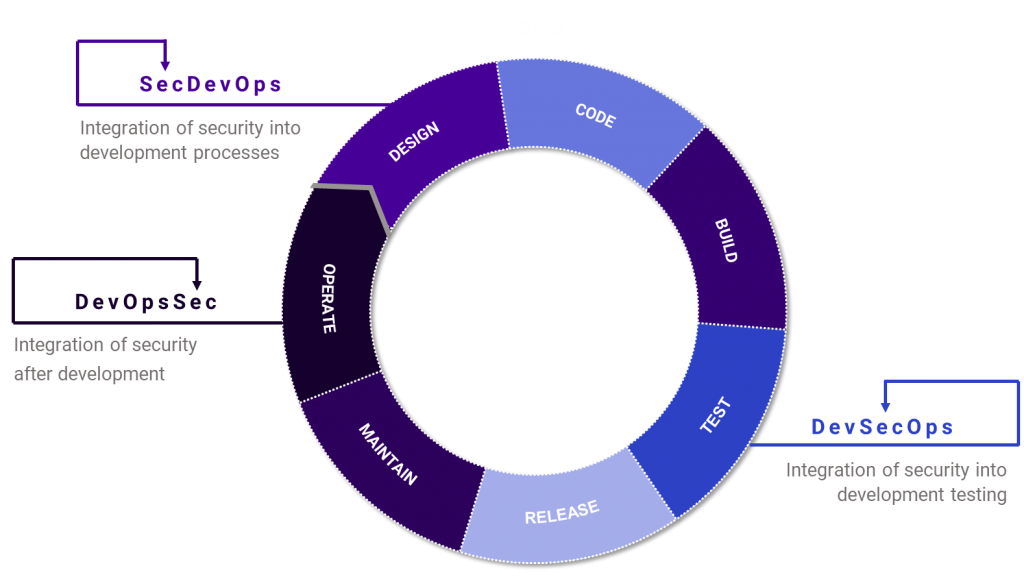
Shifting from the Waterfall software development model to Agile and now DevOps changed the way security is managed. Thanks to DevOps which helps to reduce the software development time significantly. From a release every year or six months, to a release every week or two, to now as often as every few days – DevOps process has really made this simple to achieve. But, experts are saying they couldn’t leave security until the end like we use to do in the Waterfall model.
Resolving security issues after development and testing slowed down the development and release process. And if we increase the focus on application security, security fixes became too time taking and too expensive when considered just before software was released. This is the reason Experts thought to embed security into all the stages of the Software Development Life Cycle (SDLC) and DevSecOps coined as a solution to the security problems.
However, most of the time you will heard these three terminologies DevSecOps, DevOpsSec and SecDevOps – At first look, its just looks like that shuffling of words, but technically all these three terminologies are different things. So keeping all questions in mind like “What is the difference between DevSecOps, DevOpsSec and SecDevOps?” or “How they are different from each other?” Let’s understand it in this way:-
DevOpsSec:- What is DevOpsSec?
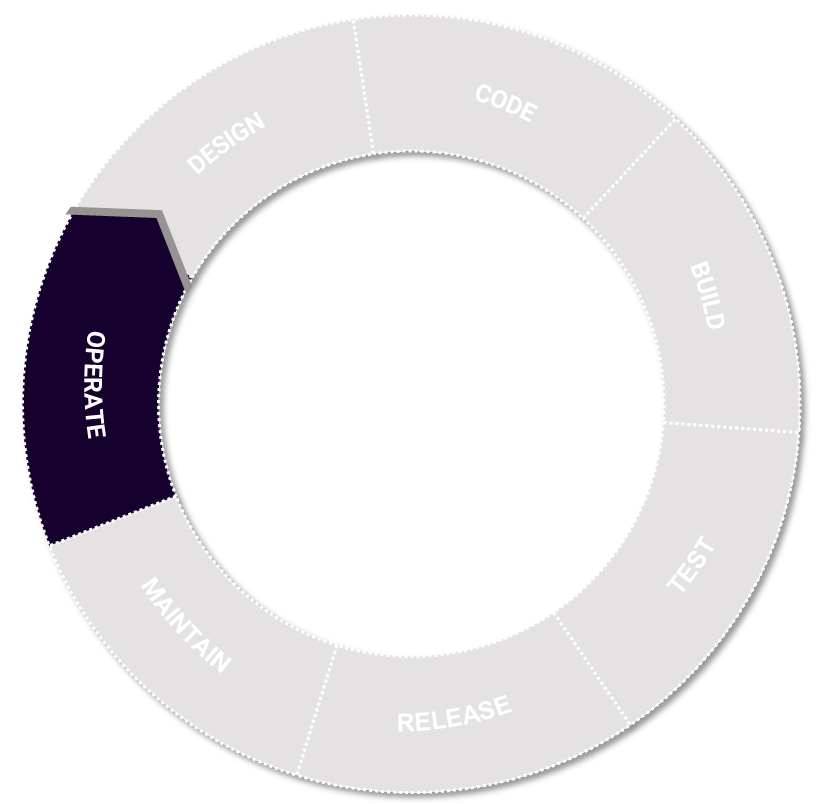
Under this methodology – integrate security at the end of the development process. In this concept, the DevOps team develops and deploys the code then security came into the picture and fills in any gaps in security. Having weak security is better than having no security, this concept is not that much useful if your objective is to ensure tight security throughout a product’s development lifecycle.
DevSecOps:- What is DevSecOps?
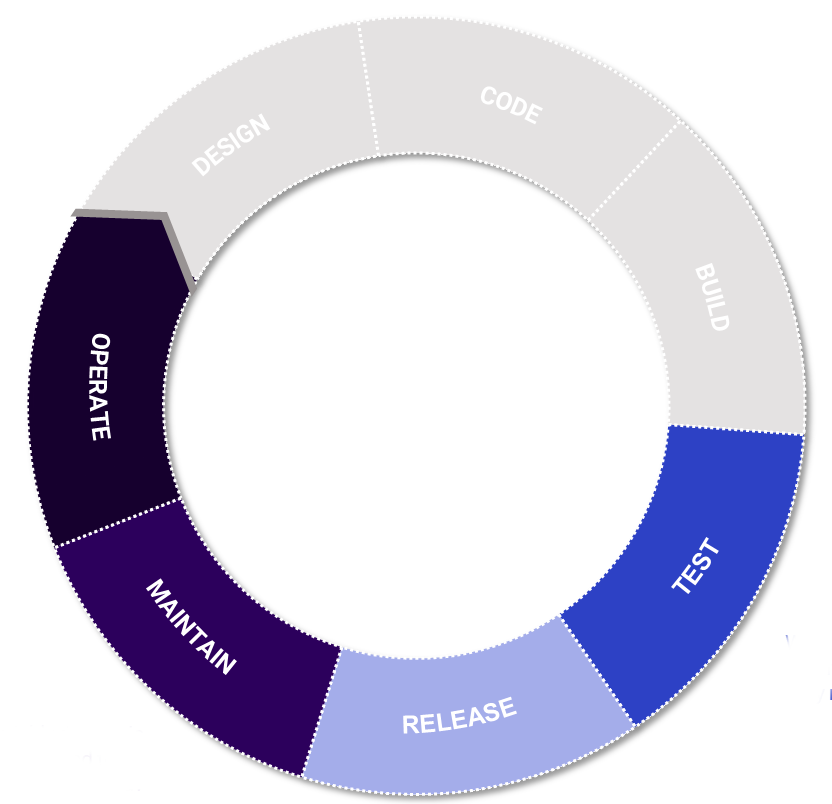
This model is quite popular. This approach shifts security left, it advocates security practices to put into effect from the initial planning and design stages through development to testing and beyond. In this approach, you can see that Dev leads the pack and take on the prime responsibility for security while writing code, and security testing is done throughout the development process, not after it is finished. Here, as security we puts as a developers responsibility , the pressure to complete development and release on time, sometimes causes security to be pushed to the last step in development.
SecDevOps:- What is SecDevOps?
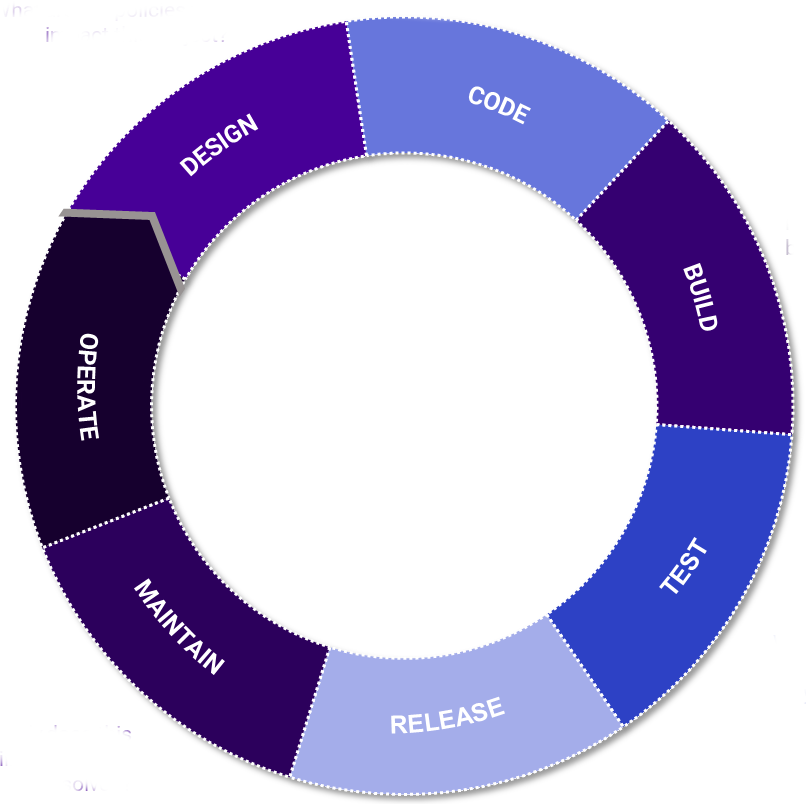
Under this approach Security efforts come into the continuous development and integration (CD/CI) pipeline, including considering security issues before development begins and at every step of the ongoing process. While DevSecOps emphasize to integrate security into every stage of the software development life cycle, SecDevOps believes security should come first at every stage in the SDLC.
It really doesn’t matter whether we call it DevSecOps or SecDevOps or DevOpsSec, as long as we are implementing security throughout your Software Development Life Cycle. In the end, DevSecOps and SecDevOps or DevOpsSec are slightly different approaches to the common goal – to release the software quickly while avoiding security issues.
These days organizations are embracing DevSecOps approach for the project development. In another way, its increasing the possibilities of more career opportunities in this domain. As organizations are started accepting the benefits of end to end security implementation, DevOps will get absorbed into DevSecOps.
Additionally, the more automation that’s added to the process, the more organizations will embrace DevSecOps for sure. Automation should be there for sure and aligning with better security, turns DevSecOps implementation is a must-have methodology. That’s why getting trained earlier for DevSecOps approach can make a big difference in your career. After attending our “DevSecOps Certified Professional” program you will have a good understanding and practical knowledge of tools, techniques, technologies which are related to DevSecOps, and you would be able to implement DevSecOps pipeline, culture for your project or product independently.

MotoShare.in delivers cost-effective bike rental solutions, empowering users to save on transportation while enjoying reliable two-wheelers. Ideal for city commutes, sightseeing, or adventure rides.
Find Trusted Cardiac Hospitals
Compare heart hospitals by city and services — all in one place.
Explore Hospitals