
What is Linkerd?
Linkerd is an open source service mesh counted as the lightest and fastest service mesh developed to be deployed into a variety of container schedulers and frameworks such as Kubernetes. It provides observability, reliability, and critical security without even a single code changes to Kubernetes applications. It can comfortably manage thousands of requests per second, and it works flawlessly with Kubernetes. Linkerd is used by many organizations like PayPal, Expedia, Hashicorp, Fiserv and by various other companies in their production.
Why linkerd is used for?
Linkerd was introduced to resolve concerns related to the operation and management of large applications and systems. Interaction between services is a critical component of an application’s runtime behavior. Connection between services is an important component of the runtime behavior of an application and Linkerd gives developers greater visibility and reliability, by providing them a layer of abstraction to control this communication. It can be very complicated to measure and diagnose application problems and failures without a dedicated layer of control and this is where Linkerd help us.
What are the benefits of Linkerd?
- Linkerd is completely open-source
- Very active community base
- Currently, Linkerd is one of the most widely used Service Mesh, along with Istio.
- Istio set up is quite difficult in the cluster, while we don’t need configuration for Linkerd.
- Linkerd is not dependant on any libraries or languages.
- Linkerd enables easy scaling.
- It supports almost all widely used protocols such as HTTP, http/2, gRPC.
- Enables TLS application wide.
- Linkerd has intelligent distributes traffic using modern load-balancing algorithms.
- Allows request routing dynamically and shifts traffic accordingly.
- Linkerd provides distributed tracing to trace the root cause of issues.
- Linkerd works well with the modern Microservices Architecture.
- Linkerd offers features such as resilience, observability, and load balancing.
- It provides Prometheus and Grafana out of the box.
- Linkerd has its own dashboard great to observe what’s happening in Real-Time.
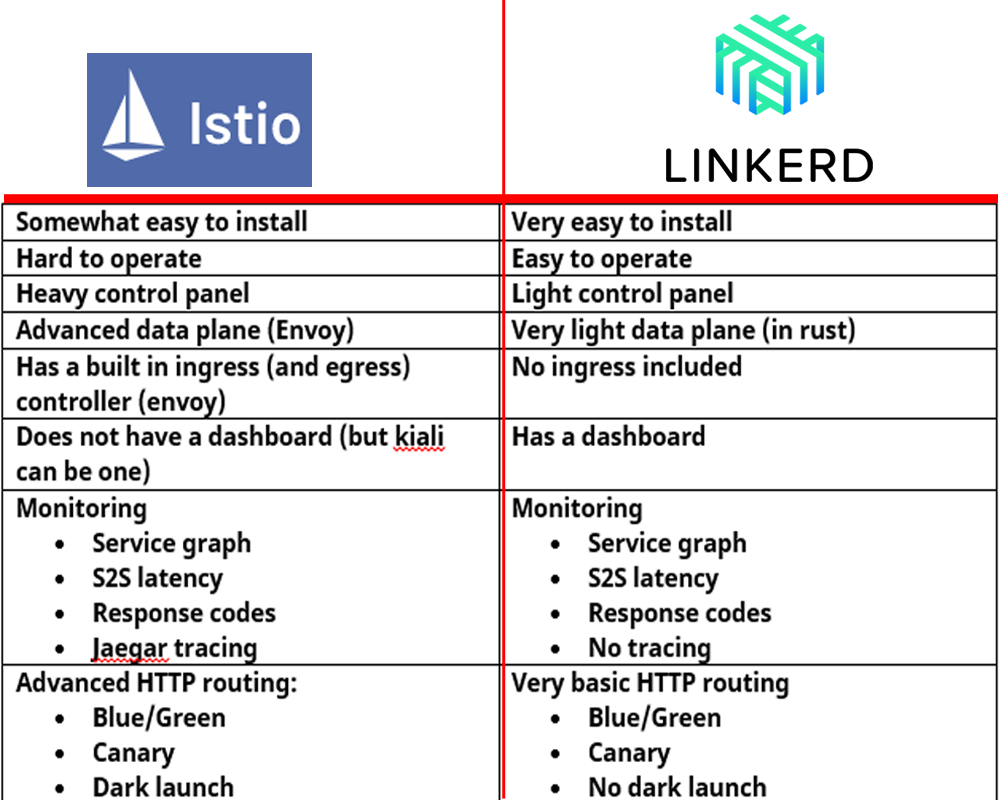
What is the difference between Linkerd and Istio?
Linkerd is much lighter and simpler than Istio. It is built from the scratch for security, including features like on-by-default mTLS, data planes built into Rust, memory-safe languages, and regular security audits. Lastly, it’s publicly committed to open source and is hosted by CNCF.
How to learn and get certified in Linkerd?
If you are willing to learn Linkerd you may enroll in Linkerd Training and Certification program with us. We have a specially curated Service Mesh with Linkerd (LFS143x) program that will make you an expert in Linkerd. It includes all the course outline officially published by linkerd.io and CNCF and this certification course comes with under guidance of experienced industry mentors and trainer who will guide you throughout your learning period and after that too.

MotoShare.in delivers cost-effective bike rental solutions, empowering users to save on transportation while enjoying reliable two-wheelers. Ideal for city commutes, sightseeing, or adventure rides.
Find Trusted Cardiac Hospitals
Compare heart hospitals by city and services — all in one place.
Explore Hospitals





