
Software Configuration Management (SCM) defines how code, environments, changes, and releases are controlled from idea to production. It helps engineering leaders, release managers, and DevOps teams deliver software that is reliable, reproducible, and auditable across teams.
Originally published on 2010-12-13; fully revised and updated.

SCM is a cross-business capability, not only an engineering task
The core point in the original article remains important: mature SCM is not limited to developers creating builds. It is a cross-functional operating model connecting product, engineering, QA, operations, support, and management through shared controls and traceability.
- Source code and configuration versioning
- Change control and approval flow
- Build and release orchestration
- Environment handoff governance (dev, test, staging, production)
- Incident and problem feedback into future releases
- Post-production analysis for process improvement
Why this perspective matters for growing software organizations
The 2010 post noted that many teams viewed CM as only “builds + source control.” That pattern is still common in growing engineering organizations: tooling adoption happens first, while policy, accountability, and end-to-end governance mature later. Expanding SCM scope reduces release risk, improves communication between teams, and strengthens delivery consistency.
Reference SCM workflow across the delivery lifecycle
flowchart TD
    A[Plan change] --> B[Commit code and config]
    B --> C[Peer review]
    C --> D[Automated build]
    D --> E[Automated tests]
    E --> F{Release ready}
    F -- No --> G[Fix issues]
    G --> B
    F -- Yes --> H[Tag release]
    H --> I[Deploy to staging]
    I --> J[Deploy to production]
    J --> K[Post release review]
This flow highlights a key SCM principle: every production release should be traceable back to a reviewed change set, a known build process, and a tagged version.
SCM maturity levels: what changes as teams scale
| Maturity level | Typical SCM scope | What works well | Common gaps |
|---|---|---|---|
| Ad hoc | Manual builds, local scripts, basic repo usage | Fast start for small teams | Low traceability, high release dependency on individuals |
| Project-level control | Standard branching, CI jobs, release checklists | Better repeatability and team coordination | Inconsistent governance across projects |
| Organization-wide governance | Unified policies for change, release, artifact control, and audit trails | Predictable delivery and stronger compliance posture | Needs continuous training and process ownership |
Tooling options by SCM function
| SCM function | Common tool options | Selection guidance |
|---|---|---|
| Version control | Git, Subversion | Prefer workflows that support peer review, branch policy, and tagging standards |
| Build and CI | Jenkins, GitLab CI, GitHub Actions | Choose based on integration depth, maintainability, and governance needs |
| Artifact management | Nexus Repository, JFrog Artifactory, container registries | Use immutable artifact storage with retention and provenance metadata |
| Change tracking | Jira, ServiceNow, Azure Boards | Link changes, incidents, and releases for end-to-end traceability |
| Environment configuration | Ansible, Terraform, Kubernetes manifests | Manage infrastructure and runtime config as versioned code |
Practical starter baseline (commands and pipeline examples)
1) Enforce versioned change flow
Use branches and pull requests so every change has review history before it reaches the mainline.
git checkout -b feature/scm-baseline
git add .
git commit -m "Add release manifest and build script"
git push -u origin feature/scm-baselineCode language: JavaScript (javascript)
2) Automate build-test-package steps
A minimal CI pipeline should compile, test, and package artifacts in a consistent order.
stages:
  - build
  - test
  - package

build:
  stage: build
  script:
    - ./scripts/build.sh

test:
  stage: test
  script:
    - ./scripts/test.sh

package:
  stage: package
  script:
    - ./scripts/package.sh
  artifacts:
    paths:
      - dist/
3) Tag releases for reproducibility
Release tags create a stable reference for rollback, audit, and incident response.
git tag -a v1.4.0 -m "Release v1.4.0"
git push origin v1.4.0
git show v1.4.0Code language: CSS (css)
Best practices and common pitfalls
- Best practice: Treat SCM as a business process, not only a tooling task.
- Best practice: Standardize branching, review, build, and release conventions across teams.
- Best practice: Keep deployment artifacts immutable and versioned.
- Pitfall: Relying on manual handoffs between teams and environments.
- Pitfall: Managing production configuration outside version control.
- Pitfall: Measuring maturity by number of tools instead of reliability outcomes.
When SCM is implemented end-to-end, organizations improve delivery confidence, reduce avoidable release failures, and create a foundation for modern DevOps practices.

I’m Rajesh Kumar, a DevOps, SRE, DevSecOps, Cloud, and Platform Engineering expert passionate about sharing practical knowledge, real-world experiences, and industry best practices. I have worked at Cotocus and regularly write about technology, travel, investing, health, product reviews, and digital marketing through my various platforms.
I publish technical articles at DevOps School, travel stories at Holiday Landmark, stock market insights at Stocks Mantra, health and fitness guidance at My Medic Plus, product reviews at TrueReviewNow, and SEO and digital marketing strategies at Wizbrand.
Find Trusted Cardiac Hospitals
Compare heart hospitals by city and services — all in one place.
Explore Hospitals


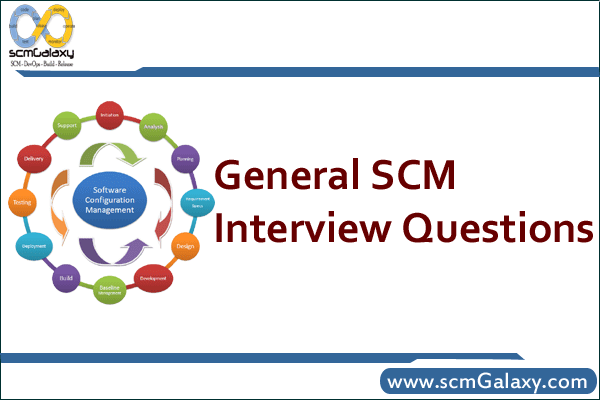
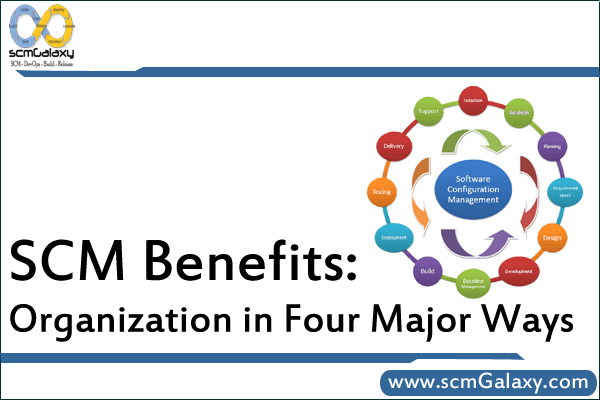
Software configuration management helps teams keep code, settings, and changes organized throughout a project. Using version control and clear change approval steps can reduce errors and improve teamwork. Regular backups and accurate records also make it easier to find and fix problems. Teams should define who can approve changes and keep development and production settings consistent. These practices support smoother releases, better collaboration, and more reliable software maintenance.