
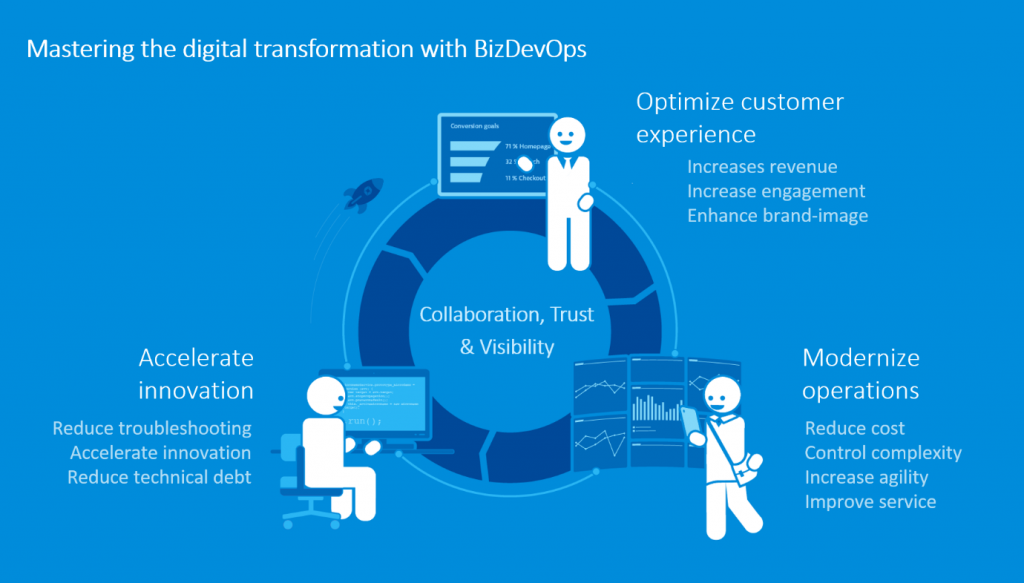
Are you familiar with the term BizDevOps? It’s a term that has been gaining popularity in recent years, especially in the tech industry. But what exactly does it mean?
Understanding BizDevOps
BizDevOps is a culture that combines business, development, and operations. It’s a way of working that encourages collaboration between these three areas to ensure software development projects are delivered quickly, efficiently, and with high quality.
The idea behind BizDevOps is that by bringing together these three areas, you can create a seamless workflow that eliminates silos and promotes communication and collaboration. This results in faster delivery of software, as well as better quality and a more positive user experience.
Benefits of BizDevOps Culture
One of the main benefits of BizDevOps culture is that it encourages a more collaborative approach to software development. This means that developers, operations staff, and business stakeholders can work together more closely to ensure that software is developed in a way that meets the needs of all stakeholders.
By working together in this way, teams can identify potential issues and challenges early on in the development process and address them before they become bigger problems. This results in faster delivery of software and a more positive user experience.
Implementing BizDevOps Culture
Implementing BizDevOps culture requires a shift in mindset and a willingness to embrace change. It’s important to create a culture that encourages collaboration and communication between all areas of the business, including developers, operations staff, and business stakeholders.
One way to do this is by breaking down silos and encouraging cross-functional teams to work together. This can be achieved by creating shared goals and objectives that everyone can work towards. It’s also important to create a culture of continuous improvement, where teams are encouraged to learn from their mistakes and make changes to their processes as needed.
Challenges of Implementing BizDevOps Culture
Implementing BizDevOps culture is not without its challenges. One of the biggest challenges is getting everyone on board and committed to the new way of working. This requires buy-in from all areas of the business, as well as a willingness to embrace change.
Another challenge is managing the cultural shift that comes with implementing BizDevOps. This can involve changing processes and procedures, as well as creating a culture that encourages collaboration and communication.
Conclusion
BizDevOps culture is a way of working that combines business, development, and operations in a collaborative and communicative way. By implementing this culture, teams can work together more effectively to deliver software that meets the needs of all stakeholders. While there are challenges to implementing BizDevOps culture, the benefits are clear – faster delivery of software, better quality, and a more positive user experience.

👤 About the Author
Ashwani is passionate about DevOps, DevSecOps, SRE, MLOps, and AiOps, with a strong drive to simplify and scale modern IT operations. Through continuous learning and sharing, Ashwani helps organizations and engineers adopt best practices for automation, security, reliability, and AI-driven operations.
🌐 Connect & Follow:
Website: WizBrand.com
Facebook: facebook.com/DevOpsSchool
X (Twitter): x.com/DevOpsSchools
LinkedIn: linkedin.com/company/devopsschool
YouTube: youtube.com/@TheDevOpsSchool
Instagram: instagram.com/devopsschool
Quora: devopsschool.quora.com
Email– contact@devopsschool.com
Find Trusted Cardiac Hospitals
Compare heart hospitals by city and services — all in one place.
Explore Hospitals




