
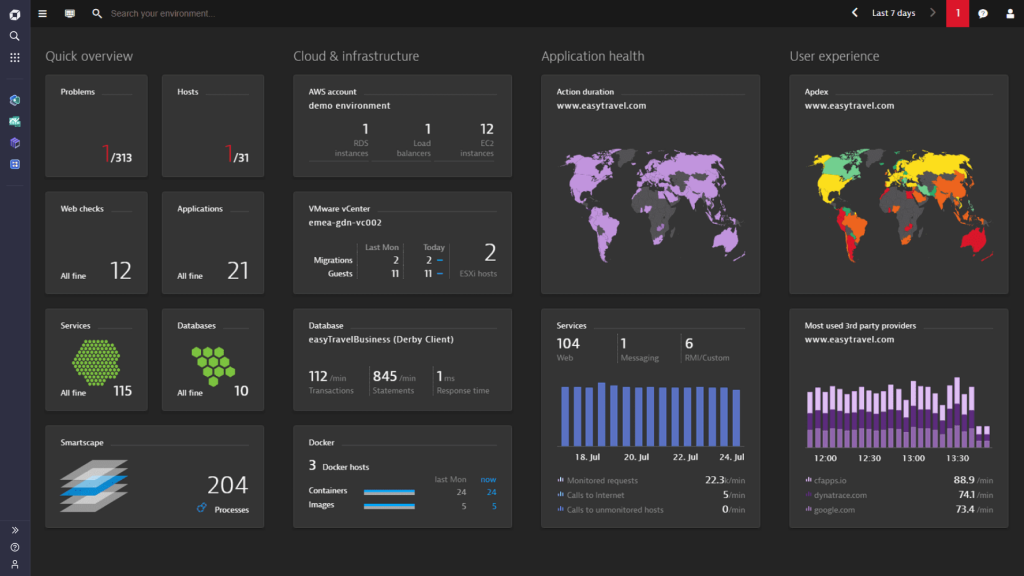
Are you looking for ways to measure the success of your business development and operations (BizDevOps) efforts? Look no further! In this blog post, we’ll cover everything you need to know about the BizDevOps metrics.
What is BizDevOps?
Before we dive into the metrics, let’s first understand what BizDevOps is. BizDevOps is a methodology that combines business development, operations, and IT teams to work together seamlessly to achieve common goals. It aims to break down silos and improve collaboration between teams to deliver high-quality products and services to customers.
Why are BizDevOps Metrics Important?
Metrics are essential to measure the success of any initiative, and BizDevOps is no exception. Measuring the right metrics can help you identify areas of improvement, optimize processes, and make data-driven decisions to achieve your business objectives.
The BizDevOps Metrics
Here are some of the most critical BizDevOps metrics you should measure:
1. Deployment Frequency
Deployment frequency is the number of times you deploy code changes to production in a given period, usually a week or a month. A high deployment frequency indicates that your team can quickly deliver new features and bug fixes to customers, which is essential for staying competitive.
2. Lead Time for Changes
Lead time for changes is the time it takes from the moment a developer writes code to the time it’s deployed to production. A shorter lead time means that your team can respond to customer needs faster and stay ahead of the competition.
3. Mean Time to Recovery (MTTR)
MTTR is the average time it takes to recover from a production incident. A lower MTTR means that your team can quickly identify and resolve incidents, minimizing downtime and customer impact.
4. Customer Satisfaction (CSAT)
CSAT measures how satisfied customers are with your products or services. A high CSAT score indicates that your team is delivering value to customers and meeting their expectations.
5. Employee Satisfaction (ESAT)
ESAT measures how satisfied employees are with their work environment and job responsibilities. A high ESAT score indicates that your team is engaged and motivated, which can lead to higher productivity and better business outcomes.
6. Code Quality
Code quality measures how well-written and maintainable your code is. A high code quality score indicates that your team is following best practices and producing high-quality code that’s easy to maintain and scale.
Conclusion
Measuring the right BizDevOps metrics can help you identify areas of improvement and optimize your processes to achieve your business objectives. Remember to keep track of the deployment frequency, lead time for changes, MTTR, CSAT, ESAT, and code quality to ensure your team is delivering value to customers and meeting business goals. Happy measuring!

👤 About the Author
Ashwani is passionate about DevOps, DevSecOps, SRE, MLOps, and AiOps, with a strong drive to simplify and scale modern IT operations. Through continuous learning and sharing, Ashwani helps organizations and engineers adopt best practices for automation, security, reliability, and AI-driven operations.
🌐 Connect & Follow:
Website: WizBrand.com
Facebook: facebook.com/DevOpsSchool
X (Twitter): x.com/DevOpsSchools
LinkedIn: linkedin.com/company/devopsschool
YouTube: youtube.com/@TheDevOpsSchool
Instagram: instagram.com/devopsschool
Quora: devopsschool.quora.com
Email– contact@devopsschool.com
Find Trusted Cardiac Hospitals
Compare heart hospitals by city and services — all in one place.
Explore Hospitals




