
Release Manager: Role Blueprint, Responsibilities, Skills, KPIs, and Career Path
The Release Manager is accountable for planning, coordinating, and governing the end-to-end release of software changes into production (and other controlled environments) in a predictable, low-risk, and business-aligned way. This role orchestrates the “last mile” of delivery across engineering, QA, infrastructure, security, and business stakeholders—ensuring that releases are ready, authorized, communicated, executed, and validated.
Delivery Manager: Role Blueprint, Responsibilities, Skills, KPIs, and Career Path
The Delivery Manager is accountable for turning approved product and technology work into predictable, high-quality outcomes by orchestrating people, process, and delivery governance across one or more cross-functional teams. This role ensures delivery commitments are realistic, risks are surfaced early, dependencies are actively managed, and stakeholders receive timely, evidence-based updates on progress, scope, and trade-offs.
Build and Release Manager: Role Blueprint, Responsibilities, Skills, KPIs, and Career Path
The Build and Release Manager owns the end-to-end build, packaging, and release orchestration for software delivery, ensuring that code moves from source control to production (or customer delivery) through reliable, secure, compliant, and repeatable pipelines. This role translates engineering throughput into predictable release outcomes by standardizing CI/CD practices, reducing delivery risk, and improving release quality across teams and systems.
Staff Release Engineer: Role Blueprint, Responsibilities, Skills, KPIs, and Career Path
A **Staff Release Engineer** is a senior individual contributor in the **Developer Platform** organization responsible for designing, scaling, and governing the systems and practices that reliably move software from source to production. This role ensures releases are **repeatable, secure, observable, and low-risk**, enabling product and service teams to ship faster without compromising quality or compliance.
Senior Release Engineer: Role Blueprint, Responsibilities, Skills, KPIs, and Career Path
The **Senior Release Engineer** is accountable for designing, operating, and continuously improving the software release lifecycle—turning validated code into reliable, repeatable, auditable production releases. This role sits in the **Developer Platform** organization and acts as a force multiplier for engineering teams by standardizing release processes, automating deployment pathways, reducing release risk, and increasing delivery throughput.
Release Engineer: Role Blueprint, Responsibilities, Skills, KPIs, and Career Path
The Release Engineer designs, builds, and operates the mechanisms that convert source code into reliable, traceable, and repeatable releases across environments (dev/test/stage/prod). This role ensures that releases are automated where possible, controlled where necessary, and measurable end-to-end—spanning build, test, packaging, deployment, and post-release validation.
Principal Release Engineer: Role Blueprint, Responsibilities, Skills, KPIs, and Career Path
The Principal Release Engineer is a senior individual contributor in the Developer Platform organization responsible for designing, governing, and continuously improving the end-to-end software release lifecycle—spanning build, package, test, deploy, verification, and rollback—across multiple products and teams. This role ensures releases are repeatable, secure, observable, and low-risk, while enabling high deployment frequency and fast recovery through automation and standardized release patterns.
Lead Release Engineer: Role Blueprint, Responsibilities, Skills, KPIs, and Career Path
The **Lead Release Engineer** is accountable for designing, operating, and continuously improving the release lifecycle that moves software from code complete to production safely, repeatably, and at high velocity. This role sits within the **Developer Platform** organization and owns the release “nervous system”: CI/CD orchestration patterns, release governance, deployment automation, environment readiness, and cross-team release coordination.
Lead Deployment Engineer: Role Blueprint, Responsibilities, Skills, KPIs, and Career Path
The Lead Deployment Engineer is accountable for designing, operating, and continuously improving the deployment and release capabilities that move software from source control to production safely, repeatably, and at speed. This role sits within the Developer Platform organization and acts as the technical lead for deployment engineering—owning CI/CD workflows, release orchestration, environment promotion strategies, and the operational practices that keep deployments reliable.
Junior Release Engineer: Role Blueprint, Responsibilities, Skills, KPIs, and Career Path
A **Junior Release Engineer** supports the safe, repeatable, and observable delivery of software changes from source control to production. The role focuses on executing and improving release processes, maintaining CI/CD workflows, coordinating release activities across teams, and ensuring that releases meet basic quality, security, and operational readiness standards.
Deployment Engineer: Role Blueprint, Responsibilities, Skills, KPIs, and Career Path
A **Deployment Engineer** designs, automates, and operates the pathways that move software from source code to reliable running systems across development, test, staging, and production environments. The role exists to make deployments **repeatable, safe, observable, and fast**, reducing release risk while increasing delivery throughput for engineering teams.
Associate Release Engineer: Role Blueprint, Responsibilities, Skills, KPIs, and Career Path
The Associate Release Engineer enables safe, repeatable, and timely software releases by supporting release processes, CI/CD workflows, environment coordination, and release governance for product engineering teams. This role focuses on operational excellence in software delivery—reducing manual steps, improving release reliability, and ensuring deployments are observable and reversible.
Top 10 Application Lifecycle Management (ALM) Suites: Features, Pros, Cons & Comparison
Introduction Application Lifecycle Management (ALM) Suites are integrated platforms designed to manage the entire lifecycle of an application—from initial idea and requirements gathering to development, testing, deployment,…
Top 10 Changelog & Release Notes Tools: Features, Pros, Cons & Comparison
Introduction Changelog & Release Notes tools are specialized platforms designed to document, organize, and communicate product updates—such as new features, bug fixes, performance improvements, and breaking changes—to…
Top 10 Release Management Tools: Features, Pros, Cons & Comparison
Introduction Release Management Tools are specialized software solutions designed to plan, coordinate, track, and control software releases across environments such as development, testing, staging, and production. In…
Top 10 Feature Flag Management Tools: Features, Pros, Cons & Comparison
Introduction Feature Flag Management Tools (also known as feature toggles or feature switches) allow development teams to turn application features on or off dynamically, without redeploying code….
XL Release – Digital.ai release Terminology
🧭 Digital.ai Release (XL Release) – Complete Terminology & Definitions 1. Release A release is the central entity in XL Release — representing a deployment or delivery…
XL Release Tutorials: Install & Configure – Digital Ai Release
Requirements for installing XL Release XL Release Client requirementsThe following web browsers are supported for the XL Release user interface: XL Release Server requirements XL Release Server…
The evolution from XL Release → Digital.ai Release
1) Origins: XebiaLabs and the birth of XL Release (2008–2015) Early feature trajectory (XL Release 4.x) 2) The merger wave & rebrand to Digital.ai (2019–2020) Post-formation acquisitions…
Helmfile vs Helmsman vs Helmwave: Comparing Kubernetes Release Management & Templating
All three are popular open-source tools for managing Helm charts and complex Kubernetes deployments, but they each have different approaches and features. Here’s a clear, practical overview:…
Top 10 Release Management Tools in 2024
What is Release? A release represents a number of activities in a certain time period, with people working on them What is release management? Release management is…
What is Plutora and use cases of Plutora?
What is Plutora? Plutora is a comprehensive enterprise software delivery platform designed to accelerate and improve the quality of complex application deliveries. It offers a unified platform…
What is XebiaLabs and use cases of XebiaLabs?
What is XebiaLabs? XebiaLabs is a software company specializing in DevOps and continuous delivery (CD) solutions for large enterprise organizations. They offer a comprehensive platform that automates…
What is ElectricFlow and use cases of ElectricFlow?
What is ElectricFlow? ElectricFlow is an enterprise-grade DevOps Release Automation platform developed by CloudBees. It simplifies the process of provisioning, building, and releasing multi-tiered applications. It utilizes…
What is Octopus Deploy and use cases of Octopus Deploy?
What is Octopus Deploy? Octopus Deploy is a continuous deployment (CD) tool designed to help software teams automate and manage deployments efficiently. It simplifies and streamlines the…
Release Management tools in 2024
In 2024, the landscape of Release Management tools continues to evolve, offering a vast array of options to cater to diverse needs and preferences. Following is a…
Cloudbees CD RO Tutorials: Create a Release Pipeline
Rajesh KumarI’m Rajesh Kumar, a DevOps, SRE, DevSecOps, Cloud, and Platform Engineering expert passionate about sharing practical knowledge, real-world experiences, and industry best practices. I have worked…
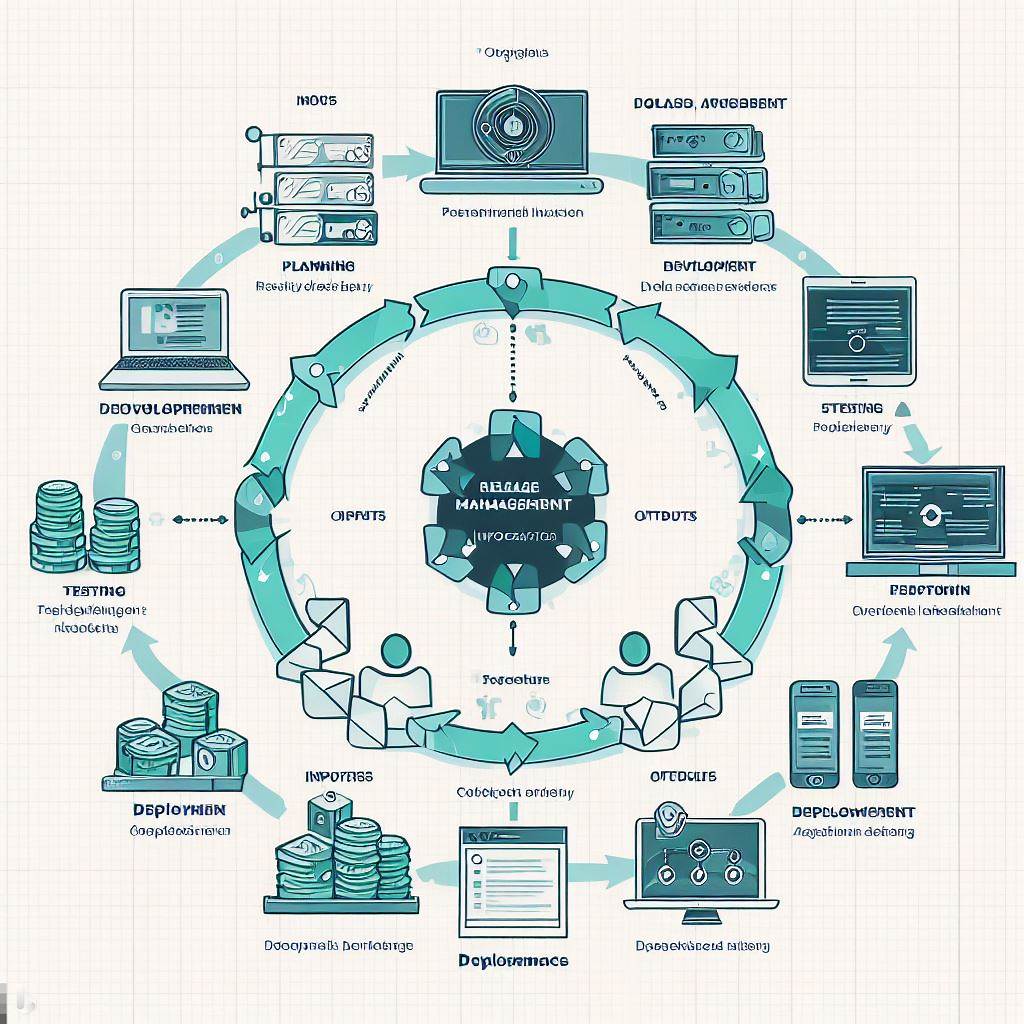
Top 5 Open Source Release Management Software
Introduction Release management tools help teams plan and manage the handover of code, changes, and customizations from the application team through packaging and deployment across testing environments…
Know about Semantic versioning(SemVer)
Semantic versioning (SemVer) is a versioning scheme that assigns a 3-part version number (major.minor.patch) to each release of a software project. The meaning of each part of…
Cloudbees CD RO Tutorials: Running a release pipeline
Rajesh KumarI’m Rajesh Kumar, a DevOps, SRE, DevSecOps, Cloud, and Platform Engineering expert passionate about sharing practical knowledge, real-world experiences, and industry best practices. I have worked…