Find the Best Cosmetic Hospitals

Explore trusted cosmetic hospitals and make a confident choice for your transformation.

“Invest in yourself — your confidence is always worth it.”

Explore Cosmetic Hospitals

Start your journey today — compare options in one place.

Linux Tutorials: How to setup SSH keys on Ubuntu/ Linux

Introduction:
If you want to clone a repository from gitlab, github or bitbucket in your Ubuntu machine then you may need to setup SSH Keys in ubuntu and add that key to gitlab, github or bitbucket to make the repository accessible from Ubuntu machine.

Steps:
1. Login to the Ubuntu machine using SSH client like Putty
2. Run: sudo -s (This is to be a root user)
3. Run: cd /root/

4. Verify if .ssh file exists in the /root dir
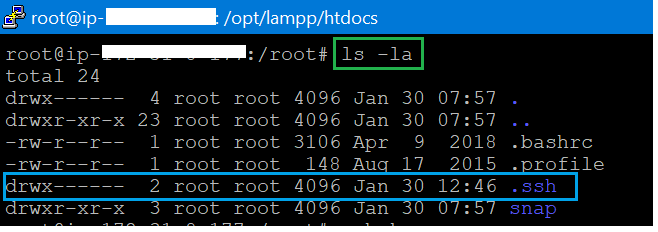
5. Generate SSH Key. Command: ssh-keygen
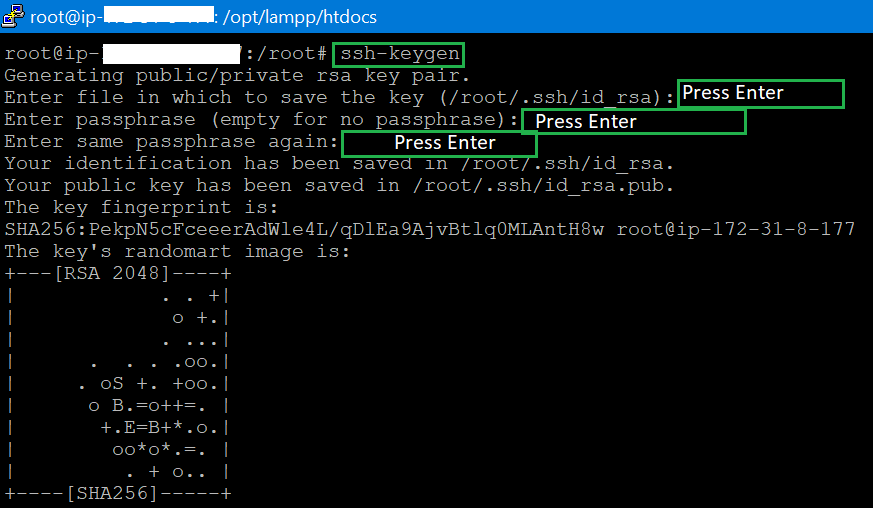
6. Move to /root/.ssh directory, Command: cd .ssh

7. Verify if the id_rsa.pub was created successfully using command: ls

8. Reterive the public ssh key to add it in gitlab, github or butbucket using command more id_rsa.pub
You can simply copy the key and add them in gitlab, github or butbucket

9. Git clone to check if you are able to clone the directory after adding the key in gitlab, github or butbucket using commands:
exit
sudo git clone git@<Your_Repository_SSH_Clone_URL>

Thanks for reading, I hope you enjoyed the article.

Find Trusted Cardiac Hospitals

Compare heart hospitals by city and services — all in one place.

Explore Hospitals

Say goodbye to the hassles of bike ownership! MotoShare.in offers affordable rentals, whether you need a scooter for errands, a bike for a road trip, or a reliable ride to explore new cities.

Related Posts

How to Configure HTTP/HTTPS Proxy on Linux and Windows (CLI, GUI, Registry, and APT)

Set up proxy access correctly on Windows and Linux for command-line tools, package managers, and system-level use. This guide covers quick commands, persistent configuration, and common troubleshooting steps.

Read More

Linux pmap Command Guide: Inspect Process Memory Maps with Practical Examples

Learn how to use the Linux pmap command to inspect per-process memory mappings, compare output modes, and troubleshoot high memory usage quickly. This updated guide includes workflow steps, command examples, and interpretation tips.

Read More

iostat Command Guide for Linux: 20 Practical Examples for CPU and Disk I/O Troubleshooting

Learn how to use iostat to monitor CPU and storage performance on Linux systems. This revised guide covers installation, 20 practical commands, metric interpretation, and a troubleshooting workflow.

Read More

xargs in Linux: Practical Commands, Safe Patterns, and Pipeline Workflows

This guide explains how to use xargs effectively in Linux/Unix shells, from basic stdin handling to safe file operations and parallel execution. You’ll learn practical command patterns, portability caveats, and safer alternatives.

Read More

Linux mount and umount Commands: Practical Examples, /etc/fstab, and Safe Unmounting

Learn how to mount and unmount filesystems reliably on Linux, from one-off commands to persistent /etc/fstab entries. This guide covers common filesystem types, command comparisons, and safe troubleshooting steps.

Read More

How to Use gsh to Run Linux Commands Across Multiple Servers

gsh (Group Shell) lets you execute one command across many Linux hosts from a single terminal. This guide explains host grouping with /etc/ghosts, core options, and practical command patterns.

Read More