
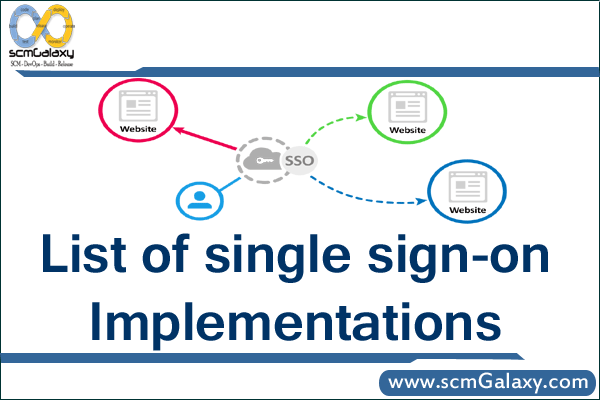
Single Sign-On Implementations: Practical Comparison and Evaluation Guide
This guide expands a short 2015 link list of SSO tools into a practical DevOps reference. You will learn how SSO flows work, how to compare implementations, and how to validate integrations with real commands.
Complete Tutorial: JWT (JSON Web Token) & OIDC (OpenID Connect)
1. 🔎 What is JWT? Definition Structure 2. 🔎 What is OIDC? Definition Key OIDC Tokens 3. ❓ Why do we need them? JWT OIDC 4. ⚙️…
Laravel: oauth_access_tokens clean up process
using Laravel Passport—the oauth_access_tokens table balloons when tokens aren’t expiring, not being revoked on logout, or not being purged. Here’s a practical, safe cleanup + prevention plan…
Keyclock: A Identity & SSO tools
Keycloak: Identity & SSO Tool (IAM in one box) What it is Keycloak is an open-source Identity and Access Management (IAM) platform that provides Single Sign-On (SSO),…
Laravel: Complete Guide of Laravel Passport
Here’s a comprehensive, up-to-date step-by-step tutorial for setting up and using Laravel Passport (OAuth2 API authentication) with clear explanations, working code samples, and troubleshooting tips—suitable for local…
artisan Tutorials: php artisan passport
When you run php artisan passport:install, Laravel attempts to do the following: Running php artisan passport:install is a crucial setup step when using Laravel Passport for API…
A Comprehensive Guide to API Authentication: Methods, Mechanisms, and Tools
1. Introduction APIs (Application Programming Interfaces) have become a cornerstone in modern software architecture, enabling communication between disparate systems and services. As APIs expose data and functionality…
Introduction of Oauth 2.0
OAuth 2.0 is an open standard for authorization. It enables applications to obtain limited access to user accounts on HTTP services, such as Facebook, GitHub, and Google,…
What is Bearer token and How it works?
Bearer tokens are a much simpler way of making API requests, since they don’t require cryptographic signing of each request. The tradeoff is that all API requests…
Create Rest API with Laravel Passport Authentication
Laravel passport Laravel Passport is an OAuth2 server and API authentication package that is simple and enjoyable to use. We will use laravel passport to authenticate token-based request except for session You…
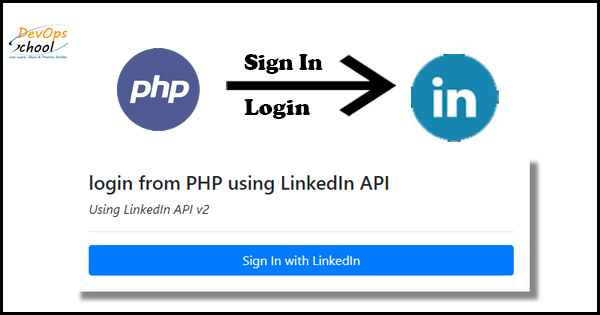
How to Sign-in or login from PHP 7 using LinkedIn API?
In this blog, I am going to explain How to Login from PHP using LinkedIn API. So, before you go to XAMPP folder’s htdocs and create a…
How to Login with Facebook, GOOGLE and twitter in Laravel?Part-2
How to Login with Facebook, GOOGLE and twitter in Laravel? Click this, Login with Facebook Here, we’ll start Login with Google. Step 1. Open this URL Google…
How to Login with Facebook, GOOGLE and twitter in Laravel?Part-1
How to Login with Facebook, GOOGLE and twitter in Laravel? Step 1. Firstly, Create a new Project in Laravel, so open git bash. Write down the following…
How to Add Sign-in with Facebook feature in Laravel.
In this tutorial, we’re going learn how to add authentication via Facebook to a Laravel app. In Short, How to add Sign-in with Facebook feature in our…
How to Add Sign-in with Google feature in Laravel.
In this tutorial, we’re going learn how to add authentication via Google to a Laravel app. In Short, How to add Sign-in with Google feature in our…
Creating a OAuth 2.0 Protected REST API In Laravel
Download and install WAMP or XAMPP Server Download and install composer Open Gitbash and Set the composer composer global require “laravel/installer” Create a new Laravel Project Refer…
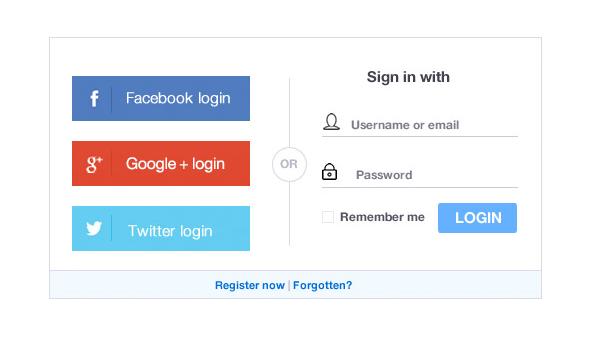
Laravel Social Login using Socialite
Installations—- (laravel 5.5) composer require laravel/socialite “^3.2.0” configuration—–(config/services.php) ‘facebook’ => [ ‘client_id’ => env(‘facebook_CLIENT_ID’), // Your facebook Client ID ‘client_secret’ => env(‘facebook_CLIENT_SECRET’), // Your facebook Client Secret…