
Have you ever heard of the BizDevOps maturity model? No? Well, let me enlighten you. It’s a framework that helps organizations improve their software development processes by integrating business, development, and operations teams. In this blog post, we’ll dive deep into the BizDevOps maturity model and explore how it can benefit your organization.
What is BizDevOps?
Before we jump into the BizDevOps maturity model, let’s clarify what BizDevOps is. BizDevOps is a methodology that aims to align business goals with software development and IT operations. It’s a collaborative approach that emphasizes communication, collaboration, and automation between teams to deliver software faster and with higher quality.
The BizDevOps Maturity Model
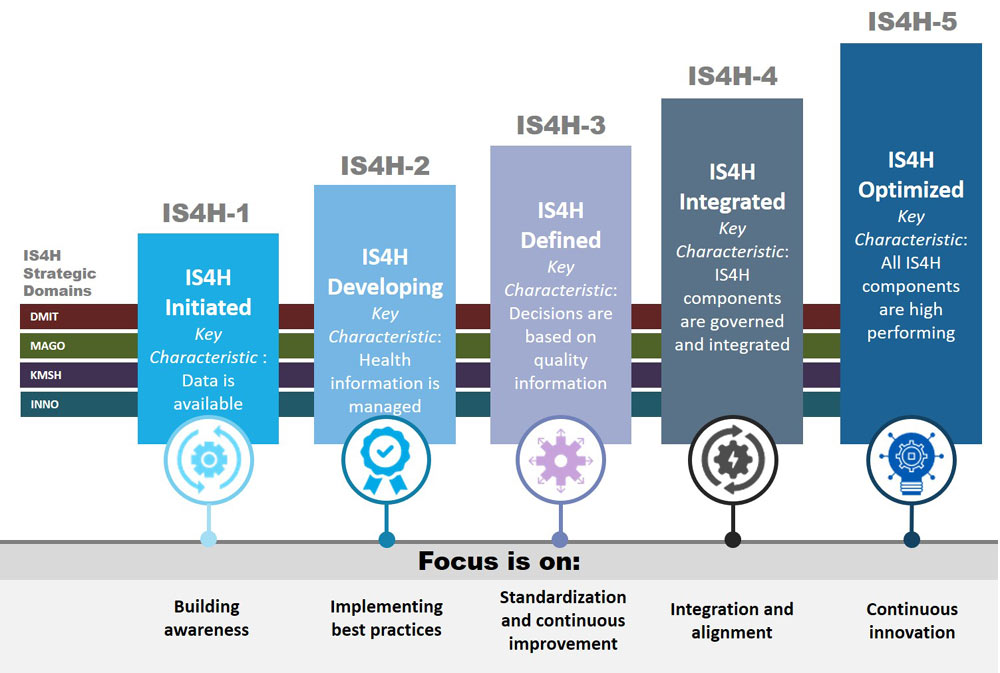
The BizDevOps maturity model is a framework that helps organizations assess their current state of software development and identify areas for improvement. It consists of five levels, each representing a higher level of maturity.
Level 1: Siloed Operations
At level 1, organizations have siloed operations, where business, development, and operations teams work independently without much collaboration. There’s little to no automation, and software releases are infrequent and prone to errors.
Level 2: Managed Collaboration
At level 2, organizations have started to collaborate between teams, but it’s still not fully integrated. There’s some automation, and software releases are more frequent and reliable than at level 1.
Level 3: Integrated Teams
At level 3, organizations have fully integrated business, development, and operations teams. There’s a high level of communication and collaboration, and automation is widespread. Software releases are frequent, reliable, and of high quality.
Level 4: Continuous Improvement
At level 4, organizations have established a culture of continuous improvement. They use data and metrics to measure their performance and identify areas for improvement. They have a well-defined feedback loop and use it to continuously improve their processes.
Level 5: Business-Driven DevOps
At level 5, organizations have fully aligned their software development processes with business goals. Business stakeholders are involved in the development process, and the focus is on delivering value to customers. There’s a high level of automation, and software releases are frequent, reliable, and of high quality.
Benefits of the BizDevOps Maturity Model
Now that we’ve covered the BizDevOps maturity model, let’s explore its benefits.
Improved Collaboration
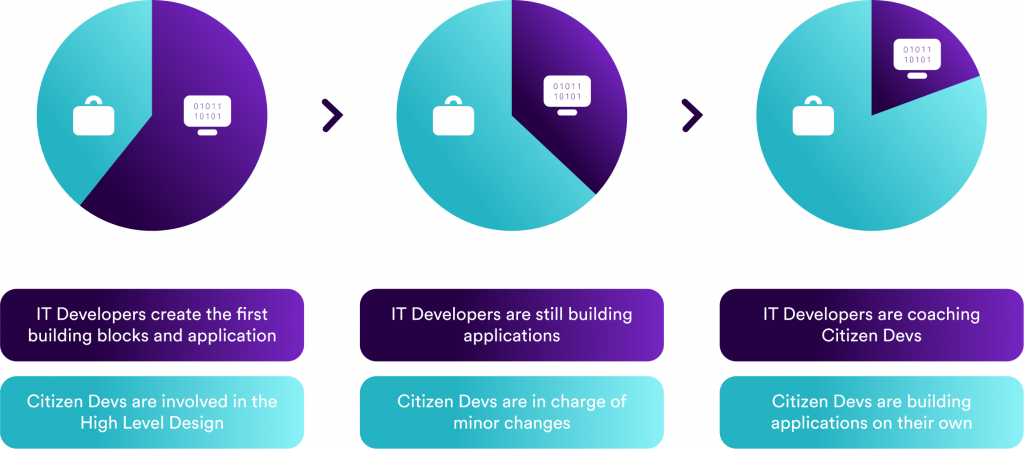
The BizDevOps maturity model promotes collaboration between teams, which leads to better communication, faster decision-making, and improved software quality.
Faster Time-to-Market
By integrating business, development, and operations teams, organizations can deliver software faster and with higher quality, reducing time-to-market and increasing customer satisfaction.
Reduced Costs
The BizDevOps maturity model emphasizes automation, which reduces manual labor and the risk of errors, leading to cost savings for the organization.
Increased Innovation
By establishing a culture of continuous improvement, organizations can experiment with new ideas and technologies, leading to increased innovation and a competitive advantage in the market.
Conclusion
The BizDevOps maturity model is a powerful framework that can help organizations improve their software development processes. By aligning business goals with software development and operations, organizations can deliver software faster and with higher quality, reducing costs and increasing customer satisfaction. So, if you’re looking to improve your software development processes, consider adopting the BizDevOps maturity model.

👤 About the Author
Ashwani is passionate about DevOps, DevSecOps, SRE, MLOps, and AiOps, with a strong drive to simplify and scale modern IT operations. Through continuous learning and sharing, Ashwani helps organizations and engineers adopt best practices for automation, security, reliability, and AI-driven operations.
🌐 Connect & Follow:
Website: WizBrand.com
Facebook: facebook.com/DevOpsSchool
X (Twitter): x.com/DevOpsSchools
LinkedIn: linkedin.com/company/devopsschool
YouTube: youtube.com/@TheDevOpsSchool
Instagram: instagram.com/devopsschool
Quora: devopsschool.quora.com
Email– contact@devopsschool.com
Find Trusted Cardiac Hospitals
Compare heart hospitals by city and services — all in one place.
Explore Hospitals




