
Introduction
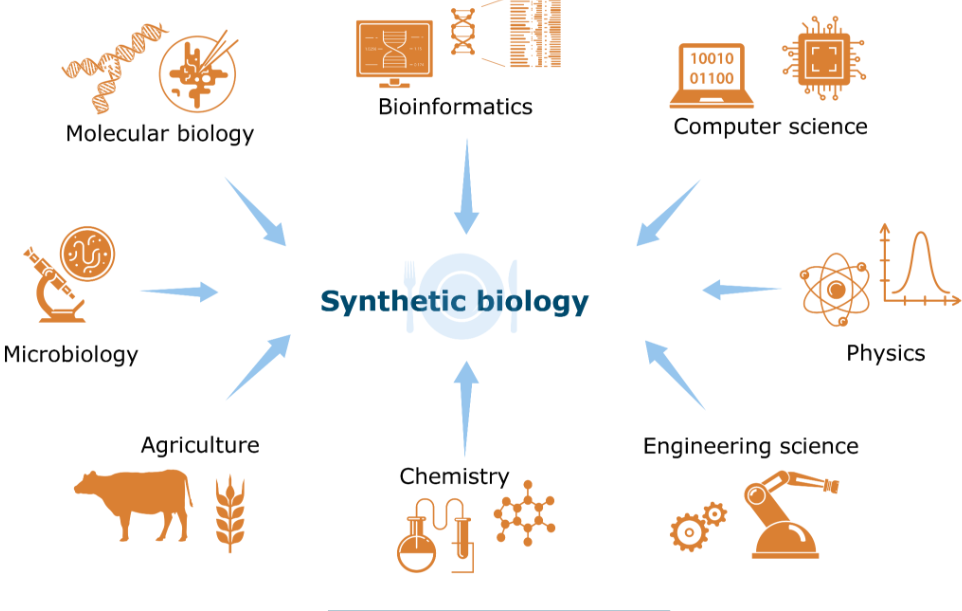
Synthetic biology is a burgeoning field that marries biology and engineering. It involves designing and constructing new biological parts, devices, and systems or redesigning existing natural ones for useful purposes. This discipline is grounded in the idea that biological systems can be understood and manipulated with the precision and predictability of engineering.
The Core Principles
At its heart, synthetic biology seeks to standardize biological components, much like electronic components. These biological components, often referred to as ‘biobricks’, include genes, promoters, and terminators. The goal is to create a modular toolkit of these biobricks that can be easily assembled and reassembled to create new biological functions.
A key concept in synthetic biology is the ‘design-build-test-learn’ cycle. This iterative process involves designing a biological system based on a specific function, building it in the laboratory, testing its performance, and then learning from the results to improve the design.
Applications of Synthetic Biology
The potential applications of synthetic biology are vast and span multiple industries. Some of the most promising areas include:
- Healthcare:
- Developing new drugs and vaccines
- Creating synthetic organisms for drug production
- Engineering bacteria to diagnose and treat diseases
- Agriculture:
- Developing crops with enhanced yield, drought resistance, or nutritional value
- Creating biofuels from microorganisms
- Developing biological pest control agents
- Environmental Remediation:
- Engineering microorganisms to clean up pollution
- Developing biosensors to detect environmental contaminants
- Industrial Biotechnology:
- Producing chemicals and materials using biological processes
- Developing bio-based alternatives to fossil fuels
Challenges and Considerations
While synthetic biology holds immense promise, it also presents significant challenges and ethical considerations. These include:
- Biosafety: Ensuring that synthetic organisms do not pose a risk to human health or the environment.
- Biosecurity: Preventing the misuse of synthetic biology for harmful purposes.
- Ethical implications: Addressing the ethical concerns related to creating new life forms.
- Public perception: Building public trust in synthetic biology through education and outreach.
The Future of Synthetic Biology
Synthetic biology is a rapidly evolving field with the potential to revolutionize various aspects of our lives. As our understanding of biology deepens and our engineering capabilities advance, we can expect to see even more groundbreaking applications emerge.
It is essential to approach this technology with both excitement and caution. By carefully considering the potential benefits and risks, we can harness the power of synthetic biology to create a better future for humanity.

I’m Rajesh Kumar, a DevOps, SRE, DevSecOps, Cloud, and Platform Engineering expert passionate about sharing practical knowledge, real-world experiences, and industry best practices. I have worked at Cotocus and regularly write about technology, travel, investing, health, product reviews, and digital marketing through my various platforms.
I publish technical articles at DevOps School, travel stories at Holiday Landmark, stock market insights at Stocks Mantra, health and fitness guidance at My Medic Plus, product reviews at TrueReviewNow, and SEO and digital marketing strategies at Wizbrand.
Find Trusted Cardiac Hospitals
Compare heart hospitals by city and services — all in one place.
Explore Hospitals





