
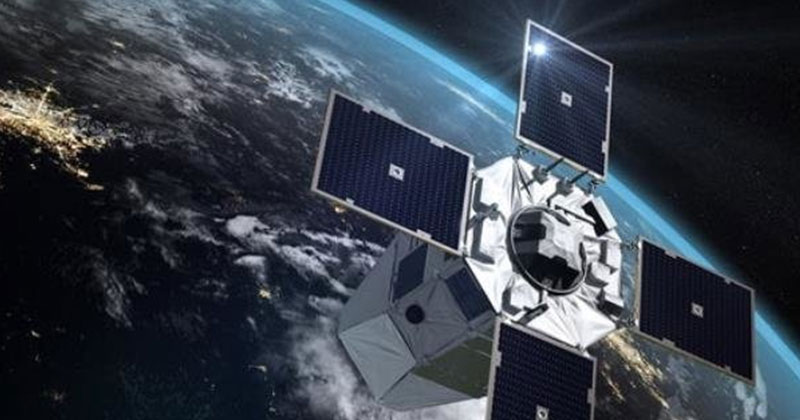
A space mission runs on data. Every sensor, antenna, and onboard computer sends a constant stream of numbers and messages. These signals arrive as raw files. Engineers must turn them into something they can inspect fast and trust.
Satellites send telemetry packets. Rovers log system events. Ground stations archive thousands of technical messages and reports. Much of this information arrives in machine-readable formats. These files store precise values, timestamps, and system states.
Raw files work well for computers. They work poorly for people.
An engineer cannot scan a wall of encoded text and spot a fault quickly. Humans read patterns best through visual structure. Images, graphs, and diagrams expose patterns that raw code hides.
Think of raw data like a crate of unsorted tools. Everything is present. Nothing is organized. Turning data into images lays those tools on a workbench. Each one becomes visible and easy to inspect.
Space teams rely on this transformation. They convert raw logs, communication records, and system messages into visual evidence. These images help teams track anomalies, confirm mission events, and archive critical operations.
Even routine communications follow this path. Engineers often exchange system reports through email. These records may arrive as EML files, which store the full email message and metadata. For reports or archives, teams may convert such files into static images. Tools like an EML to JPG converter help transform those technical records into clear visual snapshots that fit easily into documentation and mission logs.
The result is simple. Raw information becomes visible evidence. Engineers can review it, share it, and preserve it for future analysis.
Why Engineers Turn Technical Files Into Images
Space engineers must verify events quickly. A spacecraft may send thousands of signals each minute. Logs record commands, sensor values, warnings, and communication messages. These records often appear as dense technical files.
Raw files hide meaning. They look like long strings of numbers, codes, and timestamps. Engineers must extract the important parts fast. When teams convert these files into images, the structure becomes visible.
Images act like snapshots of a system state.
A snapshot freezes a moment in time. It shows what the spacecraft reported, when it reported it, and how systems behaved. Engineers can scan an image in seconds. They can mark it, store it, and share it across teams.
Images also help during mission reviews. After a maneuver or anomaly, teams reconstruct events step by step. They compare system logs, communication records, and telemetry reports. Visual files simplify this process. A single image can capture an entire message, chart, or diagnostic output.
Communication records provide a clear example. Engineers frequently exchange system updates through email. These messages may include log extracts, telemetry notes, or anomaly reports. The messages often remain stored as structured email files.
When teams need to archive or share these records, they often convert them into static images. An email to JPG conversion tool allows engineers to turn email files into clean visual documents. The image preserves the full message layout while making the record easier to store in reports and mission archives.
This process solves several problems at once.
- Images cannot accidentally change.
- They embed easily in documentation.
- They remain readable decades later.
For long missions, this stability matters. A spacecraft may operate for ten or twenty years. Engineers must ensure that today’s technical evidence remains readable far into the future.
Common Types Of Technical Files Used In Space Operations
Space missions generate many kinds of technical files. Each file records a different part of spacecraft behavior. Engineers must review these records during routine operations, anomaly investigations, and mission audits.
Many of these files begin as machine-readable formats. Computers produce them automatically. They store precise values and timestamps, but they rarely present information in a way humans can scan quickly.
To make analysis easier, engineers often convert key records into visual formats. Before that step, the data usually appears in several common file types:
- Telemetry Logs
These files store sensor readings from spacecraft systems. They include temperature, voltage, fuel levels, and orientation data. Each entry carries a timestamp so engineers can reconstruct system behavior second by second. - Command Execution Logs
Ground stations send commands to spacecraft. These logs record every command issued and every response returned. They show whether the spacecraft accepted the command and how the system reacted. - Event And Error Reports
Spacecraft software generates alerts when something unusual happens. These reports describe system faults, recovery attempts, and software warnings. Engineers study them closely during anomaly reviews. - Engineering Emails And Operational Messages
Teams exchange daily reports through email. These messages may contain diagnostic notes, mission updates, or system alerts. Many of these records are preserved as EML files, which store the full message structure and metadata. - Data Processing Outputs
Ground systems analyze incoming spacecraft data. The resulting files may contain processed measurements, calibration data, or mission summaries used for later analysis.
Each of these records tells part of the story. When engineers convert them into clear visual snapshots, they can compare events faster and detect patterns that raw files often hide.
How Mission Teams Convert Technical Files Into Visual Evidence
Engineers follow a clear process when they convert technical records into images. The goal is simple: preserve the exact information while making it easier to read and verify. Each step removes noise and exposes structure.
The workflow often begins with data extraction. Raw files arrive from spacecraft systems or ground infrastructure. Engineers first isolate the relevant section of the record. This may be a command log, an anomaly report, or a telemetry segment.
Next comes format normalization. Technical files come in many structures. Some use machine codes. Others use structured text formats. Engineers reorganize the content so each field—timestamp, system name, value—appears in a consistent layout.
After normalization, teams generate a visual snapshot. Software renders the structured information as an image. The result behaves like a photograph of the record. It cannot change accidentally. It remains readable across systems and decades.
The typical transformation pipeline looks like this:
| Step | Purpose | Result |
| Data Extraction | Identify the relevant log entries or message records | Engineers isolate the portion of data needed for analysis |
| Structure Parsing | Interpret timestamps, fields, and metadata | Raw machine data becomes organized technical content |
| Layout Formatting | Arrange the information into readable sections | Data gains visual structure similar to a document |
| Image Rendering | Convert the structured record into an image file | The system produces a stable visual snapshot |
| Archival Storage | Store the image in mission documentation systems | Engineers preserve a permanent, shareable record |
This workflow turns technical evidence into visual proof. Engineers can attach these images to reports, anomaly investigations, and mission archives.
The process resembles photographing a complex instrument panel. Instead of copying each number manually, the image captures the entire state in one reliable frame.
Why Images Improve Mission Analysis And Decision-Making
Space missions move fast. Engineers must see problems quickly. Raw files slow this process. Images speed it up.
An image presents information as a single frame of evidence. Engineers do not scroll through thousands of lines. They inspect one clear record. This saves time during critical operations.
Images also improve team coordination. A mission team may include flight controllers, software engineers, navigation specialists, and system analysts. Each group must review the same data. An image ensures that everyone sees the exact same record.
Visual records help in several key situations:
- Anomaly Investigation
When something goes wrong, teams reconstruct the event timeline. Images preserve the original record without alteration. - Mission Reviews
Engineers present evidence during design reviews or mission briefings. A static image fits easily into technical reports. - Long-Term Archiving
Space missions often last many years. Image formats remain readable even when older software systems disappear. - Cross-Team Communication
Teams spread across different control centers can review the same visual record without special tools.
Images also reduce the risk of accidental modification. Raw files can change if someone edits them. An image locks the information in place. What engineers see today will match what investigators see years later.
This reliability matters in space operations. Every command, message, and system response may become part of the mission record. Turning technical files into images ensures that evidence stays clear, stable, and easy to verify.
From Data Streams To Lasting Mission Records
Space missions never stop producing data. Sensors measure heat, motion, radiation, and power. Computers log commands and system responses. Engineers exchange reports that explain what happened and why.
At first, all of this exists as raw technical files. Machines handle them easily. Humans do not.
To understand events quickly, engineers transform these files into visual records. Images reveal structure. They freeze a moment in time. A log entry becomes a readable snapshot instead of a dense block of code.
This practice supports the entire mission lifecycle.
During operations, visual records help engineers spot anomalies quickly. A pattern that hides in raw data may appear instantly once rendered as an image.
During reviews, images provide clear technical evidence. Engineers can point to the exact message, command, or system response that occurred.
During long-term archiving, images preserve mission history. Space missions often span decades. Systems change. Software becomes obsolete. But a well-stored image remains readable long after the original tools disappear.
The process follows a simple idea: make complex data visible.
A spacecraft may be millions of kilometers away. Engineers cannot touch it. They rely entirely on the information it sends home. Converting technical records into images turns distant signals into clear, durable evidence.
In the end, this transformation does more than improve analysis. It ensures that every mission leaves behind a precise and trustworthy record of what happened in space.
Turning Complex Data Into Clear Evidence
Space missions depend on accurate records. Every signal, command, and system response becomes part of the mission history. Raw technical files capture these events in detail. Yet they often remain difficult for humans to read and verify.
Converting these records into images solves that problem.
A visual snapshot turns dense data into a clear piece of evidence. Engineers can inspect it quickly. Teams can share it without special software. Archives can preserve it for decades without losing meaning.
This transformation strengthens every stage of mission work:
- Operations become faster because engineers see patterns quickly.
- Investigations become clearer because evidence remains unchanged.
- Documentation becomes stronger because visual records integrate easily into reports.
- Archives remain reliable because images outlive many software formats.
In simple terms, images act like photographs of spacecraft activity. They capture the state of systems at a specific moment and preserve it for future analysis.
As space missions grow more complex, the volume of technical data will continue to rise. Turning that data into clear, durable visual records will remain essential. It allows engineers to transform distant signals into knowledge—and knowledge into confident decisions.

I’m Rajesh Kumar, a DevOps, SRE, DevSecOps, Cloud, and Platform Engineering expert passionate about sharing practical knowledge, real-world experiences, and industry best practices. I have worked at Cotocus and regularly write about technology, travel, investing, health, product reviews, and digital marketing through my various platforms.
I publish technical articles at DevOps School, travel stories at Holiday Landmark, stock market insights at Stocks Mantra, health and fitness guidance at My Medic Plus, product reviews at TrueReviewNow, and SEO and digital marketing strategies at Wizbrand.
Find Trusted Cardiac Hospitals
Compare heart hospitals by city and services — all in one place.
Explore Hospitals