
Tattoo studios blend art with business operations. Artists create custom designs and build client relationships. But owners spend hours on appointments, payments, and paperwork. This administrative work cuts into creative time.
DevOps solves similar problems in software development. It reduces manual tasks through automation and monitoring. Small service businesses face the same workflow challenges. These principles work just as well for creative operations.
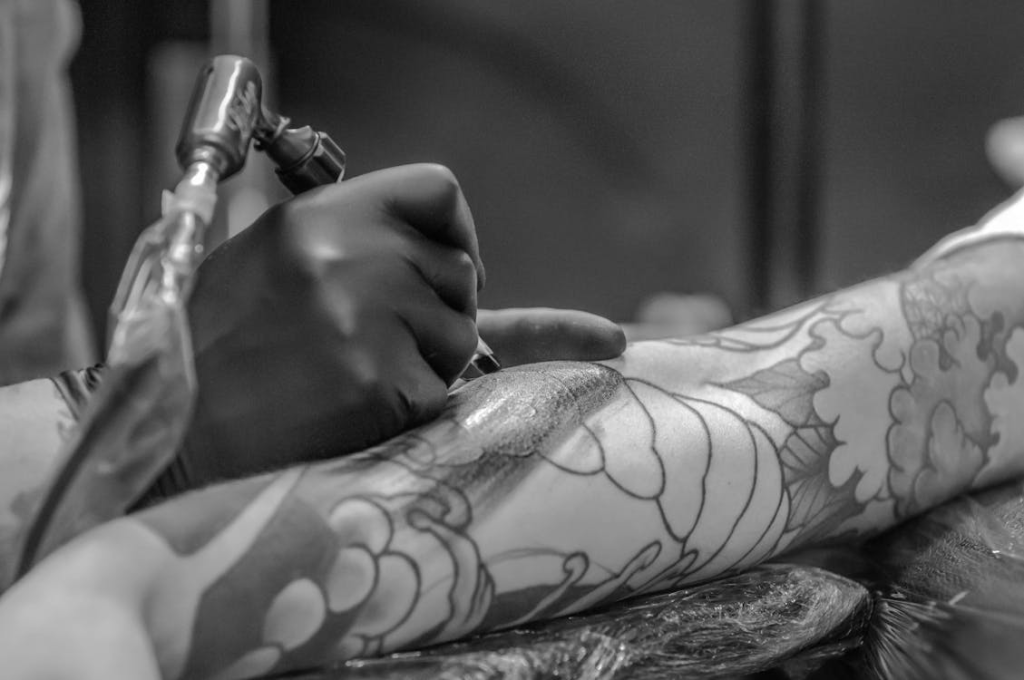
Automate Repetitive Tasks to Reclaim Time
Repetitive tasks drain time and energy from tattoo studios. Manual scheduling creates the biggest bottleneck. Artists handle phone calls, texts, and social media messages while designing. Each booking needs multiple exchanges about availability and pricing.
Automation removes these time-consuming steps. Digital booking systems process appointment requests automatically. They send confirmations, collect deposits, and distribute reminders. DevOps teams use similar automation for deployment pipelines.
Client intake processes also benefit from automation. Tracking leads for your tattoo studio becomes organized instead of scattered. You can monitor inquiry sources and identify which marketing channels convert. This data helps owners invest resources more effectively.
Payment automation streamlines the entire transaction flow:
- Digital systems charge deposits without manual intervention
- Receipts are generated and sent automatically to clients
- Double bookings become impossible with synchronized calendars
- Cash handling errors disappear with digital processing
Artists focus on tattooing instead of chasing payments. Studios reduce booking confusion and improve cash flow. The time saved adds up quickly across multiple daily appointments.
Implement Monitoring and Measurement Systems
DevOps teams rely on metrics to improve performance. Tattoo studios need the same operational visibility. Most shops only track basic revenue numbers. They miss valuable performance insights.
Client retention shows how well you maintain relationships. Track how many clients return within six or twelve months. Low retention signals problems with communication or aftercare education. High retention indicates strong client satisfaction.
Booking lead time reveals demand patterns. Long lead times suggest popularity but might indicate scheduling inflexibility. Short lead times could mean untapped capacity. Studios adjust availability based on these patterns.
No-show and cancellation rates directly affect revenue. The Small Business Administration reports that service businesses lose 20% of potential revenue to missed appointments. High rates might indicate weak deposit policies. They could also reveal inadequate reminder systems.
Response time to inquiries affects conversion rates. Quick replies increase booking probability. Measure how long it takes to respond across different channels. This metric identifies communication bottlenecks.
Create Feedback Loops for Continuous Improvement
DevOps teams hold retrospectives to identify improvements. Tattoo studios benefit from similar feedback systems. Client satisfaction drives long-term success. Yet many shops lack systematic feedback collection.
Post-appointment surveys capture immediate reactions. The experience stays fresh in clients’ minds. Ask specific questions about comfort, communication, and satisfaction. Short digital surveys sent via text generate higher responses than paper forms.
Review management provides another feedback source. Monitor reviews across Google, Yelp, and social platforms. Positive patterns show what works well. Negative patterns highlight areas needing attention. Respond to all reviews promptly and professionally.
Staff feedback creates internal improvement opportunities:
- Artists and front desk staff observe daily pain points
- They interact with clients throughout the booking process
- Regular team meetings surface useful observations
- Employee insights become actionable improvements
Equipment and supply tracking prevents workflow interruptions. Monitor ink levels, needle inventory, and aftercare products. Automated reordering maintains supplies without manual checks. Artists never have to pause work for supply issues.
Standardize Procedures Through Documentation
Documentation supports successful DevOps practices. Clear procedures ensure consistency across team members. Tattoo studios gain the same benefits from standardization. Written protocols reduce errors and improve training.
Client intake needs documented protocols. Every staff member should follow identical greeting steps. They should review designs and explain aftercare the same way. Documentation prevents miscommunication. Clients receive consistent information regardless of who helps them.
Digital consent forms replace paper versions. Paper forms get lost or filled out incorrectly. Electronic systems ensure all required fields get completed. Studios update forms instantly when regulations change. No reprinting costs or outdated versions.
Health and safety protocols require precise documentation. Sterilization, workspace cleaning, and waste disposal follow exact sequences. Written checklists prevent skipped steps. New staff learn faster with clear documentation. They spend less time asking questions.
Design approval workflows need standardization. Clients review and approve designs digitally before appointments. This reduces day-of changes that disrupt schedules. Clear approval processes protect artists and clients. Everyone understands the final design expectations.
Apply These Principles to Any Service Business
DevOps thinking works beyond technology companies. The core principles address common operational challenges. Service businesses trading time for money face similar constraints. Software developers and tattoo artists both maximize productive hours.
Start with one operational friction point. Maybe scheduling consumes too much time. Perhaps client communication spreads across too many platforms. Identify the specific problem first.
Measure current performance before making changes. Baseline metrics show whether improvements work. Track the same numbers after implementing new systems. Compare results to verify actual progress.
Small improvements add up over time. Studios don’t need to change everything at once. Focus on changes that create immediate operational impact. Build momentum with quick wins. Then tackle more complex process problems.

Find Trusted Cardiac Hospitals
Compare heart hospitals by city and services — all in one place.
Explore Hospitals
This blog makes an interesting and very practical connection: DevOps is not only for software teams—it’s a set of workflow principles that can help a tattoo studio run smoother, faster, and with better quality control. The ideas map well to day-to-day studio operations: standardizing “repeatable” processes (booking, consultation checklists, aftercare instructions), improving handoffs between front desk and artists, tracking work in progress (appointments, design approvals, inventory), and using simple feedback loops to reduce rework and last-minute surprises. When studios treat operations like a reliable pipeline—clear steps, clear ownership, and continuous improvement—they usually see fewer scheduling conflicts, better customer experience, and more consistent results without increasing stress on the team.