
Introduction
E-commerce platforms are the foundation of modern online businesses. They provide the technology, tools, and infrastructure needed to create, manage, and scale an online store—from product listings and payments to inventory, shipping, and customer experiences. Whether you are selling physical products, digital goods, subscriptions, or services, an e-commerce platform acts as the engine that powers every transaction and interaction.
In today’s competitive digital landscape, choosing the right e-commerce platform is critical. A well-chosen platform can help businesses launch faster, manage operations efficiently, integrate with marketing and logistics tools, and scale without constant technical hurdles. On the other hand, the wrong platform can limit growth, increase costs, and create operational complexity.
Common real-world use cases include direct-to-consumer brands, online marketplaces, subscription-based businesses, B2B wholesalers, multi-store retailers, and global brands managing localized storefronts. When evaluating e-commerce platforms, buyers should look at factors such as ease of use, customization flexibility, performance, scalability, integrations, security, compliance, and total cost of ownership.
Best for:
E-commerce platforms are ideal for entrepreneurs, startups, SMBs, mid-market companies, and enterprises looking to sell products or services online. They benefit store owners, marketing teams, operations managers, IT teams, and product managers across industries such as retail, fashion, electronics, healthcare products, education, and digital services.
Not ideal for:
They may not be suitable for businesses that do not require online sales, very small hobby projects with no monetization goals, or organizations that need extremely niche, custom-built transactional systems where off-the-shelf platforms may add unnecessary complexity.
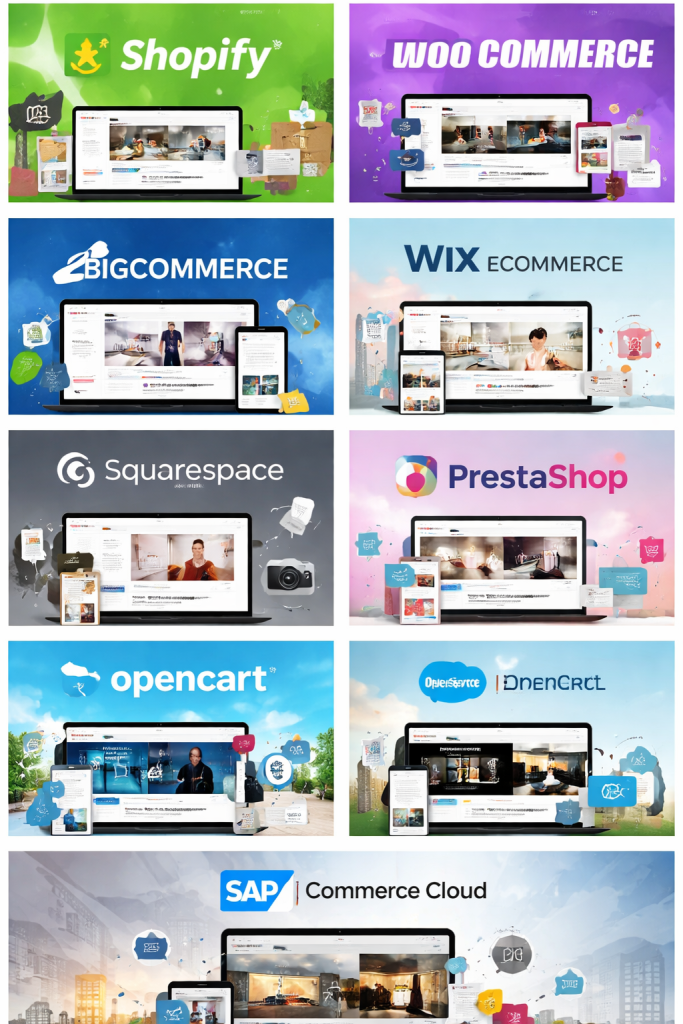
Top 10 E-commerce Platforms Tools
1 — Shopify
Short description:
Shopify is a fully hosted e-commerce platform designed for ease of use and rapid store setup. It is widely used by small businesses, D2C brands, and growing online retailers.
Key features:
- Hosted storefront with managed infrastructure
- Extensive theme and app marketplace
- Built-in payment processing and checkout
- Multi-channel selling (online, social, POS)
- Inventory and order management
- International selling and localization tools
Pros:
- Extremely beginner-friendly
- Fast setup with minimal technical effort
- Reliable performance and uptime
Cons:
- Limited backend customization
- Additional costs for apps and add-ons
- Platform dependency for advanced features
Security & compliance:
PCI DSS compliant, SSL encryption, GDPR support, SOC 2 (varies by plan).
Support & community:
Strong documentation, 24/7 customer support, large global user and developer community.
2 — WooCommerce
Short description:
WooCommerce is an open-source e-commerce plugin built for WordPress, offering high flexibility and customization for content-driven stores.
Key features:
- Deep WordPress integration
- Open-source and self-hosted
- Extensive plugin and theme ecosystem
- Flexible product types and pricing
- SEO-friendly architecture
- Custom checkout and workflows
Pros:
- Full control over data and customization
- No mandatory platform fees
- Ideal for content-focused stores
Cons:
- Requires hosting and maintenance
- Performance depends on setup
- Technical knowledge needed for scaling
Security & compliance:
Varies by hosting provider; supports SSL, GDPR tools available via plugins.
Support & community:
Massive global community, strong documentation, third-party developer support.
3 — Magento (Adobe Commerce)
Short description:
Magento is a powerful, enterprise-grade e-commerce platform designed for complex, large-scale online stores.
Key features:
- Advanced product and catalog management
- Multi-store and multi-language support
- Highly customizable architecture
- B2B and B2C capabilities
- Powerful promotions and pricing rules
- Headless commerce support
Pros:
- Extremely scalable and flexible
- Suitable for complex business models
- Strong enterprise features
Cons:
- High development and maintenance cost
- Steep learning curve
- Requires dedicated technical resources
Security & compliance:
Supports PCI DSS, GDPR, role-based access, audit logs (varies by edition).
Support & community:
Strong developer community, enterprise-grade support for paid versions.
4 — BigCommerce
Short description:
BigCommerce is a SaaS e-commerce platform focused on scalability and performance for growing and enterprise businesses.
Key features:
- Fully hosted solution
- Built-in SEO and marketing tools
- Multi-channel and marketplace integrations
- Headless commerce capabilities
- B2B and wholesale features
- High-performance checkout
Pros:
- Fewer add-ons required compared to competitors
- Strong native features
- Good scalability for mid-market brands
Cons:
- Theme customization limitations
- Pricing tiers based on revenue
- Smaller app ecosystem than Shopify
Security & compliance:
PCI DSS Level 1, GDPR support, SOC 2 compliance.
Support & community:
Quality documentation, onboarding assistance, enterprise support options.
5 — Wix eCommerce
Short description:
Wix eCommerce is a beginner-friendly platform designed for small businesses and creatives wanting a simple online store.
Key features:
- Drag-and-drop store builder
- Built-in hosting and security
- Integrated payment solutions
- Product and order management
- Mobile-optimized storefronts
- Marketing and email tools
Pros:
- Very easy to use
- Affordable entry-level plans
- No technical setup required
Cons:
- Limited scalability for large stores
- Less flexibility for complex workflows
- Platform lock-in
Security & compliance:
SSL encryption, PCI compliance for payments, GDPR support.
Support & community:
Help center, tutorials, customer support, smaller developer ecosystem.
6 — Squarespace Commerce
Short description:
Squarespace Commerce focuses on visually appealing storefronts and simplicity, popular among creatives and small brands.
Key features:
- High-quality design templates
- Integrated hosting and security
- Inventory and order tracking
- Digital and physical product support
- Built-in analytics
- Subscription selling
Pros:
- Excellent design quality
- Simple all-in-one solution
- Good for brand-focused stores
Cons:
- Limited advanced e-commerce features
- Less customization flexibility
- Not ideal for large catalogs
Security & compliance:
SSL encryption, PCI compliance, GDPR support.
Support & community:
Strong documentation, email and chat support, moderate community presence.
7 — PrestaShop
Short description:
PrestaShop is an open-source e-commerce platform offering flexibility for SMBs that want control without enterprise complexity.
Key features:
- Open-source architecture
- Customizable themes and modules
- Multi-store management
- International selling tools
- SEO-friendly structure
- Large extension marketplace
Pros:
- No license fees
- Good balance of features and control
- Strong European market presence
Cons:
- Hosting and maintenance required
- Performance tuning needed at scale
- Module costs can add up
Security & compliance:
Depends on hosting; GDPR tools available, supports SSL.
Support & community:
Active community, official support plans available, extensive documentation.
8 — OpenCart
Short description:
OpenCart is a lightweight, open-source e-commerce platform suitable for small to medium online stores.
Key features:
- Simple admin dashboard
- Multi-store support
- Extension-based architecture
- Multiple payment and shipping options
- Customizable storefronts
- Low server requirements
Pros:
- Lightweight and fast
- Free to use
- Easy for basic stores
Cons:
- Limited advanced features
- Smaller extension ecosystem
- Less suitable for large-scale operations
Security & compliance:
Varies by hosting; supports SSL and basic security features.
Support & community:
Community forums, documentation, limited enterprise support.
9 — Salesforce Commerce Cloud
Short description:
Salesforce Commerce Cloud is an enterprise e-commerce platform designed for global brands and omnichannel experiences.
Key features:
- AI-driven personalization
- Omnichannel commerce
- Deep CRM integration
- Scalable cloud infrastructure
- Advanced analytics and insights
- Headless and API-first design
Pros:
- Enterprise-grade scalability
- Strong personalization capabilities
- Integrated customer data
Cons:
- High cost
- Complex implementation
- Requires experienced teams
Security & compliance:
SOC 2, GDPR, ISO standards, enterprise-grade security.
Support & community:
Premium enterprise support, strong partner ecosystem.
10 — SAP Commerce Cloud
Short description:
SAP Commerce Cloud is an enterprise solution built for complex B2B and B2C commerce scenarios.
Key features:
- Advanced B2B commerce features
- Deep ERP and supply chain integration
- Scalable cloud deployment
- Personalization and segmentation
- Multi-site and global support
- API-driven architecture
Pros:
- Ideal for complex enterprise needs
- Strong integration with enterprise systems
- Highly scalable
Cons:
- Expensive and resource-intensive
- Long implementation cycles
- Not suitable for small businesses
Security & compliance:
ISO standards, GDPR, enterprise-grade security controls.
Support & community:
Enterprise support, certified partner network, professional services.
Comparison Table
| Tool Name | Best For | Platform(s) Supported | Standout Feature | Rating |
|---|---|---|---|---|
| Shopify | SMBs, D2C brands | Web, POS | Ease of use | N/A |
| WooCommerce | Content-driven stores | Web | Customization flexibility | N/A |
| Magento | Enterprises | Web | Advanced customization | N/A |
| BigCommerce | Growing brands | Web | Built-in scalability | N/A |
| Wix eCommerce | Small businesses | Web | Drag-and-drop builder | N/A |
| Squarespace | Creatives | Web | Design quality | N/A |
| PrestaShop | SMBs | Web | Open-source control | N/A |
| OpenCart | Small stores | Web | Lightweight setup | N/A |
| Salesforce Commerce Cloud | Enterprises | Web, Omnichannel | AI personalization | N/A |
| SAP Commerce Cloud | Large enterprises | Web | ERP integration | N/A |
Evaluation & Scoring of E-commerce Platforms
| Criteria | Weight | Score Description |
|---|---|---|
| Core features | 25% | Catalog, checkout, payments |
| Ease of use | 15% | Setup and daily management |
| Integrations & ecosystem | 15% | Apps, APIs, extensions |
| Security & compliance | 10% | Data protection and standards |
| Performance & reliability | 10% | Speed and uptime |
| Support & community | 10% | Help resources and support |
| Price / value | 15% | Cost vs features |
Which E-commerce Platforms Tool Is Right for You?
- Solo users & startups: Shopify, Wix, Squarespace
- SMBs: WooCommerce, BigCommerce, PrestaShop
- Mid-market: BigCommerce, Magento
- Enterprise: Salesforce Commerce Cloud, SAP Commerce Cloud
Budget-conscious users may prefer open-source platforms, while premium solutions suit brands prioritizing scalability and support. Ease of use matters for non-technical teams, while integration depth is critical for growing ecosystems. Security and compliance become essential for regulated industries and global operations.
Frequently Asked Questions (FAQs)
1. What is an e-commerce platform?
It is software that enables businesses to sell products or services online, manage orders, payments, and customers.
2. Which platform is best for beginners?
Beginner-friendly options include Shopify, Wix, and Squarespace.
3. Are open-source platforms better than hosted ones?
Open-source offers flexibility, while hosted platforms provide convenience and lower maintenance.
4. How important is scalability?
Very important for growing businesses to avoid platform migration later.
5. Do e-commerce platforms handle security?
Most provide built-in security, but responsibility varies by hosting model.
6. Can I sell globally using these platforms?
Yes, many support multi-currency and international shipping.
7. Are these platforms suitable for B2B?
Some platforms like Magento and SAP Commerce Cloud are strong in B2B.
8. How much do e-commerce platforms cost?
Costs vary widely depending on hosting, features, and scale.
9. Can I integrate marketing tools?
Most platforms support integrations with marketing and analytics tools.
10. What is the biggest mistake when choosing a platform?
Choosing based only on price without considering scalability and long-term needs.
Conclusion
E-commerce platforms are the backbone of online retail success. Each platform in this list offers unique strengths, trade-offs, and target use cases. The most important factors when choosing a platform include scalability, ease of use, integrations, security, and total cost of ownership.
There is no single “best” e-commerce platform for everyone. The right choice depends on your business size, technical expertise, growth plans, and operational requirements. By aligning platform capabilities with your specific needs, you can build a sustainable and successful online commerce strategy.

Find Trusted Cardiac Hospitals
Compare heart hospitals by city and services — all in one place.
Explore Hospitals
This post makes the platform choice feel a lot clearer, because it compares the things that actually decide your store’s success—not just how the homepage looks. I found the breakdown of features, pros, and cons very practical, especially around payments, shipping, taxes, SEO, and how smoothly you can manage products and orders. It also quietly shows an important truth: there’s no single “best” e-commerce platform—there’s only what fits your business size, budget, and growth plan. My takeaway is to shortlist 2–3 options, build a small test store, and check real stuff like checkout speed, app costs, and support response before committing. That small test can save you big headaches later.