
Chef Cookbook Metadata Explained: metadata.rb vs metadata.json
Understand how Chef uses cookbook metadata, when metadata.json is generated, and why metadata.rb should be your source of truth. Includes workflow, command examples, and precedence rules when both files exist.
How to Evaluate Source Code Analysis Tools: Practical Criteria for DevOps Teams
Selecting a source code analysis tool requires more than feature checklists. Use this framework to measure accuracy, developer fit, integration quality, and reporting value before rollout.
Static vs Dynamic Code Analysis in DevSecOps: Strengths, Limits, and How to Use Both
Static and dynamic code analysis solve different security problems. This guide compares both approaches, explains their trade-offs, and shows how to combine them in a practical CI/CD workflow.
Static vs Dynamic Code Analysis: Differences, CI/CD Workflow, and Practical Use
Static analysis inspects code without executing it, while dynamic analysis evaluates behavior at runtime. This guide explains the trade-offs, shows how both fit into CI/CD, and provides practical pipeline examples.
Static vs Dynamic Code Analysis: Differences, Trade-offs, and CI/CD Integration
Static and dynamic code analysis solve different quality and security problems, and neither replaces the other. Learn how they differ, where each fits in DevOps, and how to use both in one CI/CD quality gate.
Code Coverage vs Test Coverage: What’s Different and How to Use Both in CI
Code coverage and test coverage are often conflated, but they answer different quality questions. This guide explains the distinction, shows how they fit in CI, and provides practical measurement examples.
Jenkins Command-Line Authentication and Job Triggers with cURL and Wget
Learn practical ways to authenticate scripted requests to Jenkins and trigger jobs from the command line using cURL and wget. This revision also covers CSRF crumb handling, version caveats, and troubleshooting.

Code Coverage in DevOps: What It Measures, Why It Matters, and How to Use It in CI
Code coverage quantifies how much of your code is exercised by tests, helping teams find untested areas before release. This guide explains coverage types, CI workflow, practical commands, and how to avoid misusing the metric.
NMake for Windows: What It Is, How to Install It, and How to Use It
NMake is Microsoft’s make utility for Windows, commonly used in Visual Studio and older Perl-on-Windows build flows. This guide explains what NMake does, how to set it up (including legacy steps from the original post), and how to run practical build commands.
Build Server Hardware Requirements: Practical CI Infrastructure from a 4-Role Baseline
Build server sizing is less about one fixed spec and more about separating critical roles, planning storage, and standardizing hosts. This guide updates a classic 4-machine model into a practical approach for modern CI teams.
Perforce Replication Explained: Topology, Requirements, and Practical Setup Commands
Perforce replication duplicates primary server data to read-only replicas for disaster recovery and workload offload. This revised guide covers architecture, requirements, limitations, and setup commands from the original notes.
Perl use vs require: Compile-Time and Runtime Module Loading Explained
In Perl, `use` and `require` both load code, but they do it at different times and with different side effects. This guide shows when each is appropriate, how imports work, and patterns that avoid common production bugs.
Advanced Features of Smart Build Tools for Faster, Reproducible CI/CD
Smart build tools do much more than compile code: they cache, parallelize, enforce dependency rules, and improve reproducibility. This guide compares common options and shows practical commands you can use in real pipelines.
Build Versioning Explained: Version Numbers, Build Numbers, and Release Traceability
Build versioning gives every software package a traceable identity so QA, release, and operations teams know exactly what was tested and deployed. This guide clarifies version vs build numbers, shows a practical workflow, and provides implementation examples.
AntForm and AntMenu for Apache Ant: Installation, Usage, and Practical XML Examples
AntForm and AntMenu are legacy Apache Ant extensions that add GUI forms and button menus to build scripts. This guide explains what each task does, how to install them, and how to run practical examples.
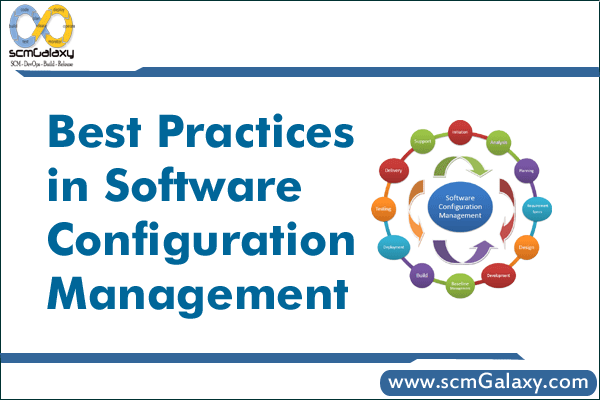
Software Configuration Management Best Practices: Workspaces, Branches, Builds, and Process Control
Strong SCM is less about tool features and more about operating discipline. This guide distills practical best practices for workspace hygiene, branching, change propagation, and reproducible builds.
CVS Troubleshooting Guide: 5 Common Problems and Practical Fixes
This updated guide walks through five frequent CVS problems and how to resolve them safely. It includes command examples, a troubleshooting workflow, and a quick-reference table.
CVS Best Practices for Reliable Team Collaboration
This guide turns a legacy CVS checklist into a practical workflow you can use daily. It covers workspace hygiene, update/commit discipline, safer command patterns, and collaboration habits that reduce merge pain.
CVS Version Control: Practical Introduction, Workflow, and Command Quick Start
CVS is a classic centralized version control system still found in legacy environments. This guide explains how CVS works, core commands, and how it compares with Subversion and Git.
CVS Best Practices for Teams: Daily Workflow, Commands, and Pitfalls
A practical, modernized reference for teams still using CVS in legacy environments. Learn safer workspace habits, a daily integration workflow, and command patterns that reduce conflicts.
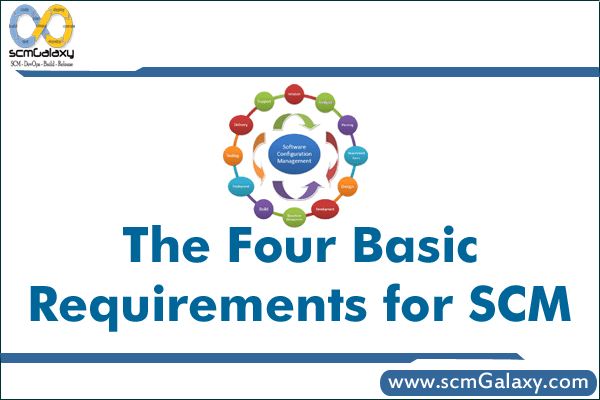
The 4 Core SCM Requirements: Identification, Control, Auditing, and Status Accounting
Software Configuration Management depends on four non-negotiable capabilities: identification, control, auditing, and status accounting. This guide explains each requirement and shows how to apply them in modern DevOps workflows.
Apache Ant Explained: Build Model, Workflow, and Practical Usage
Apache Ant is a Java-based build automation tool that uses XML to define targets and tasks. This updated guide explains how Ant works, how it compares with other build tools, and where it still fits in modern engineering workflows.
What is AZURE DEVOPS?
What is Microsoft Azure? Now, lets know about Microsoft Azure, It is a cloud computing service created by Microsoft that is one of the leading cloud service…

What makes P4Win better than P4V?
P4Win and P4V are both Perforce Helix (P4) clients, but they differ significantly in functionality, user experience, and efficiency. While P4V (Perforce Visual Client) is a modern…
Major differences between CVS and CVSNT?
Here’s a comparison highlighting the major differences between CVS (Concurrent Versions System) and CVSNT (Concurrent Versions System for Windows/Unix). 1. Origin and Purpose 2. Platform Support 3….
How to Install CollabNet SVN Command Line Client on Solaris
CollabNet provides a Subversion (SVN) command-line client for version control operations. If you’re using Solaris, follow these steps to install the CollabNet SVN client. 1. Prerequisites Before…
Complete Tutorial for P4Win (Perforce Visual Client)
Complete Tutorial for P4Win (Perforce Visual Client) Introduction P4Win is the Windows GUI client for Perforce, a powerful version control system (VCS) used for managing source code,…
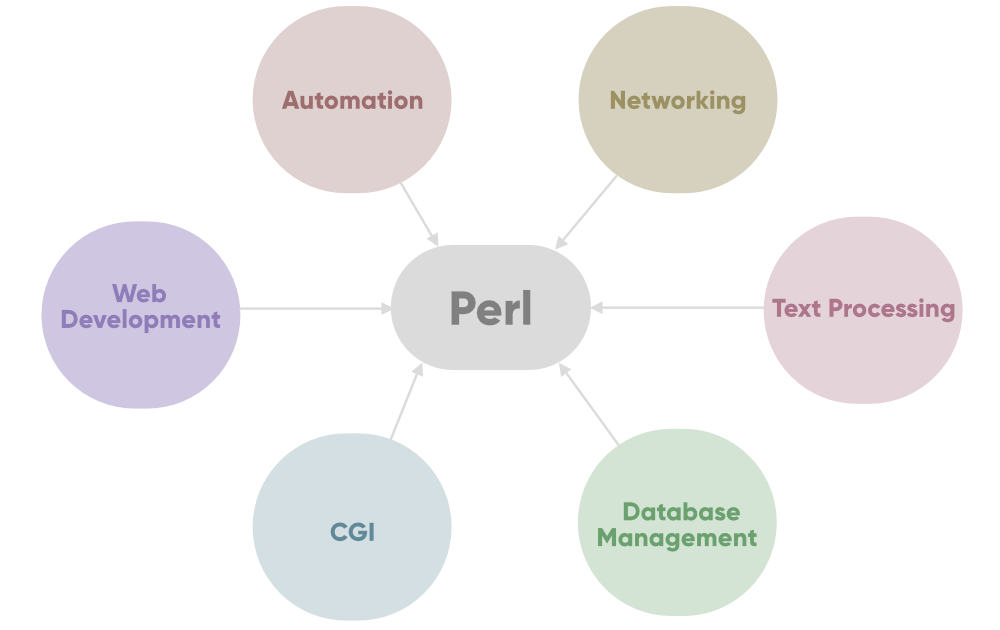
What is Perl and How it works? An Overview and Its Use Cases
Hey, this is Ashwani, and in this article I’m going to share some important things about Perl. As you see in the heading everything is clear to…

Top 50 Interview Questions and Answers of TensorFlow
Short description about TensorFlow TensorFlow is an end-to-end open-source platform for machine learning. It has a comprehensive, flexible ecosystem of tools, libraries, and community resources that lets…
What is MLOps? It’s Advantages, Use Cases, Jobs & Salary Prospectus?
History & Origin of MLOps The origins of MLOps may be traced back to a study titled “Hidden Technical Debt in Machine Learning Systems” published in 2015….