
What is Rancher?
Rancher is an open source platform for Kubernetes Management. It makes it really simple to create clusters, manage multiple Kubernetes clusters and gives a nice user interface for monitoring and managing them. It also address the operational and security challenges of managing multiple Kubernetes clusters over any infrastructure, while providing DevOps teams with integrated tools for running containerized workloads.
Why to use Rancher?
In the traditional way of managing a Kubernetes cluster is a challenge, and managing a bunch of them is something like herding cattle. That is where Rancher help us, which allows teams to manage multiple Kubernetes clusters, even in different-different cloud services like Amazon’s Elastic Kubernetes Service (EKS), Microsoft’s Azure Kubernetes Service (AKS), Google’s Kubernetes Engine (GKE)) and even in data centers. It really makes it easy to keep all clusters up to date and secured so that without worrying about all these things your team can focus on developing new releases.
What are the benefits of Rancher?
- Rancher unified the multi-cluster app management
- Support hybrid & multi-cloud
- Works well with DevOps toolsets like Jenkins, Gitlab, Travis, Prometheus, Grafana, Fluentd, Istio.
- It allows consistent security policy and compliance
- There’s only one version of Rancher; it’s 100% free and open-source software.
- If you want to switch from Rancher, you can remove it with minimal disruption to services.
- Rancher simplifies the installation and configuration of Service mesh with Istio
- It increases the productivity of developers, because after implementing Rancher they don’t need to worrying about the infrastructure that runs them.
- With the help of Rancher even new employees can launch applications and wire them together quickly at production level without even beng an expert of Kubernetes.
What are the Rancher’s major components and features?
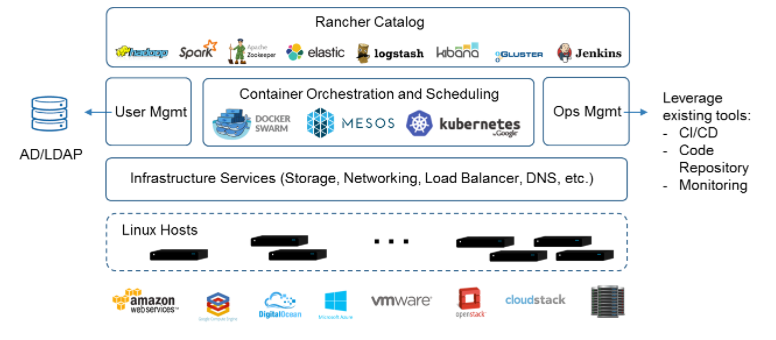
Who can enroll for Rancher Training?
- Everyone who want to build and manage high available Kubernetes cluster in simple way
What are the pre-requistes to learn Rancher?
- Kubernetes knowledge
How to learn Rancher?
To have a good level of understanding of Racher with demo and hands-on exercises, you may enroll in this Rancher Training Course provided by DevOpsSchool. In this Rancher course, we will go over what Rancher is, an overview of Rancher, how it works, how to set it up, and how to navigate around Rancher, how to deploy and manage a Kubernetes cluster with Rancher and many more things which included in the Rancher program.

MotoShare.in delivers cost-effective bike rental solutions, empowering users to save on transportation while enjoying reliable two-wheelers. Ideal for city commutes, sightseeing, or adventure rides.
Find Trusted Cardiac Hospitals
Compare heart hospitals by city and services — all in one place.
Explore Hospitals





